Winterizing Your RV or Boat in Georgia
Georgia isn't Minnesota. Your RV or boat doesn't need the same aggressive winterization that northern owners perform. But Georgia also isn't Florida—we get cold snaps that dip into the teens, and a single hard freeze can crack pipes, destroy water heaters, and ruin pumps in vehicles that weren't prepared.
The key is understanding what Georgia winters actually require: protection against occasional hard freezes, not months of sub-zero temperatures.
Georgia's Winter Reality
Atlanta typically sees:
- Average winter lows in the low-to-mid 30s°F
- 2-5 nights per winter below 20°F
- Occasionally, nights in the single digits or teens
- Rare but possible extended cold snaps (2-4 days below freezing)
This means water in unprotected systems will freeze multiple times per winter. You don't need full winterization for the entire season, but you need protection against those freeze events.
RV Winterization Options
Option 1: Full Winterization
Drain all water, run RV antifreeze through the entire plumbing system, bypass the water heater, drain holding tanks.
When this makes sense: You're storing the RV from November through March and don't plan to use it at all. You'd rather do it once and forget about it.
Process:
- Drain fresh water tank completely
- Drain and bypass water heater (never put antifreeze in the water heater)
- Run RV antifreeze through all faucets, toilets, showers until pink antifreeze appears
- Add antifreeze to holding tanks to protect drain valves
- Drain black and gray tanks if possible
Cost: $10-15 for antifreeze if DIY; $100-150 at a service center
Option 2: Drain-Only
Drain all water and leave faucets open. No antifreeze, just empty systems.
When this makes sense: You might use the RV on a warm weekend and don't want to purge antifreeze. You're willing to monitor weather and re-drain if needed.
Process:
- Drain fresh water tank and water heater
- Open all faucets
- Run water pump briefly to clear lines
- Leave faucets cracked open so any residual water can drain
Limitations: Small amounts of water in low points or p-traps can still freeze. Works for mild freezes; risky for hard freezes.
Option 3: Heated Storage or Active Monitoring
Keep the RV heated during cold snaps, or monitor temps and winterize only when freezes are forecast.
When this makes sense: You use the RV year-round and want to keep it ready. You have electricity at your storage location.
Limitations: Requires power, costs money to heat, and only works if you're monitoring forecasts.
Boat Winterization in Georgia
Boats have different systems but similar vulnerabilities. Key areas:
Engine
Outboard motors and stern drives have water in them after running. That water freezes.
Procedure:
- Flush the engine with fresh water (especially if used in salt or brackish water)
- Run the engine with antifreeze flowing through the cooling system (using muffs/fake-a-lake with antifreeze)
- OR drain water and fog the engine with storage spray
Inboard engines require more extensive winterization—consult your manual or a marine mechanic.
Water Systems
If your boat has a freshwater system (sink, shower, livewell):
- Drain all tanks
- Run RV antifreeze through faucets
- Add antifreeze to bilge if water collects there
Fuel System
- Fill the tank to prevent condensation
- Add fuel stabilizer
- Run engine to circulate treated fuel
Battery
Remove and store indoors, or use a maintainer if leaving installed.
The "Georgia Gamble" That Ruins Things
Many Georgia RV and boat owners skip winterization because "it doesn't get that cold here." Then one night hits 15°F when they weren't watching forecasts, and they're replacing a water heater, pump, and cracked pipes.
The damage from one hard freeze often exceeds $500-2,000 on an RV and can be even more on boats with complex cooling systems.
Full winterization costs $10-150 depending on DIY vs professional. The math is obvious.
Timing for Georgia
Early-to-mid November: Start thinking about winterization if you're storing through winter. First hard freezes typically come late November through December.
Before extended travel: If you're leaving the RV in storage while traveling for the holidays, winterize before you go. Don't trust the forecast—weather can change.
Before any forecast below 25°F: If you're using the drain-only approach, verify your RV is fully drained before any significant freeze.
De-Winterizing in Spring
Georgia's last freeze risk runs through mid-March in most areas. When you're ready to use your RV or boat again:
- Drain antifreeze from the system
- Close any open faucets
- Fill fresh water tank
- Run all faucets until water runs clear (no pink antifreeze)
- Flush the water heater
- Sanitize the system with diluted bleach solution, then flush thoroughly
Oxford RV Storage and Winterization
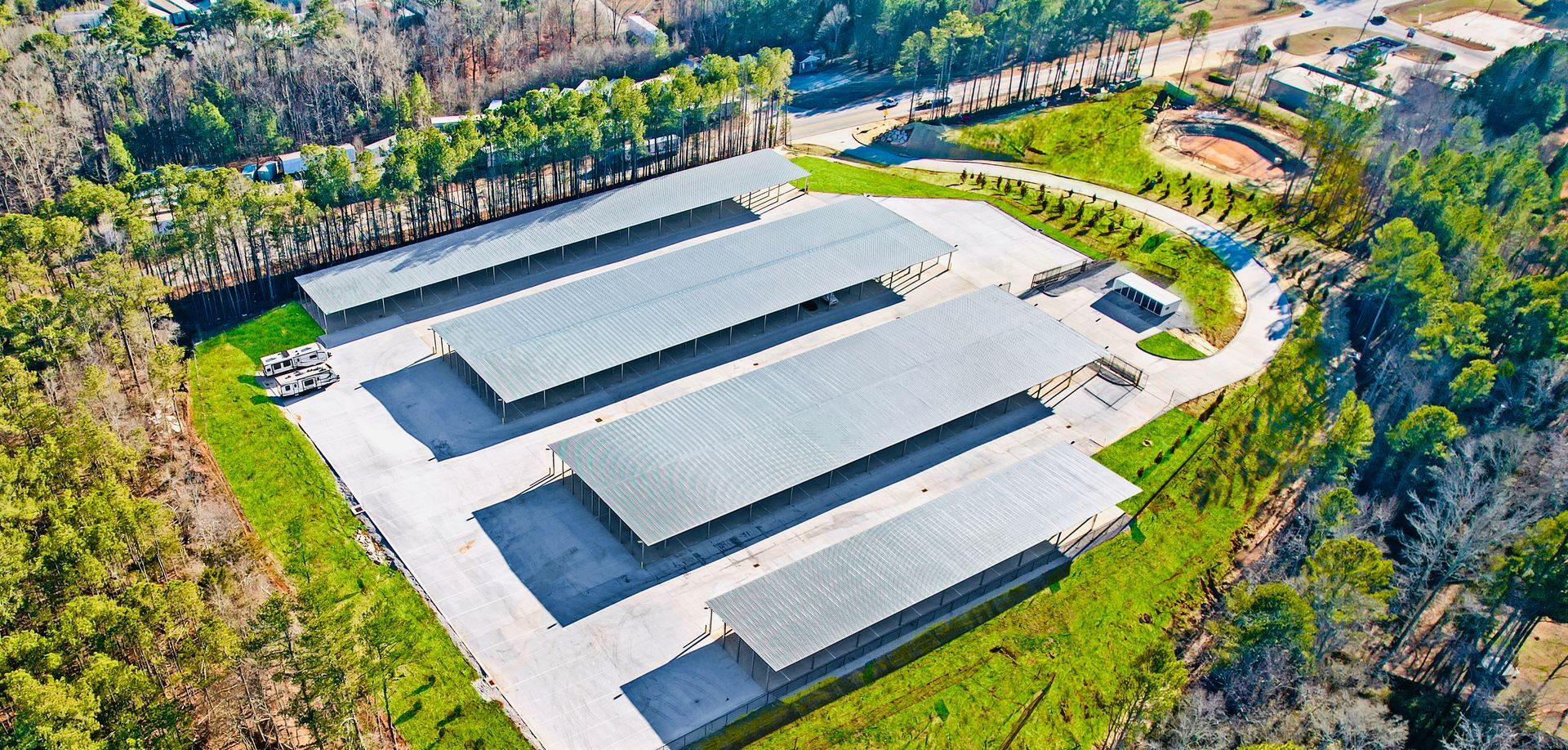
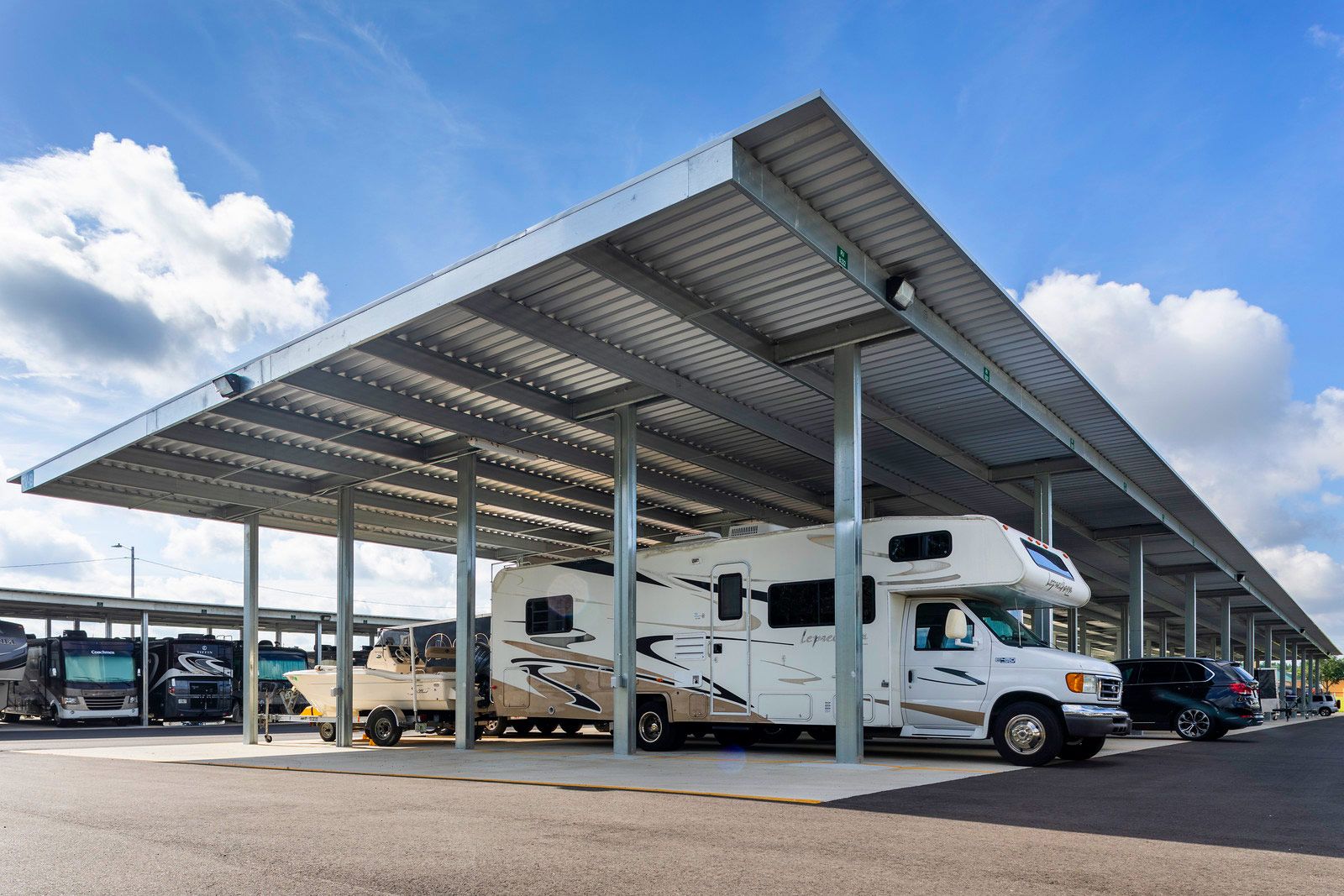
Oxford RV Storage stores RVs and boats through the winter months. The facility provides secure storage, but winterization is the owner's responsibility.
Many owners winterize before storing in November and de-winterize when they retrieve vehicles in spring. If you need winterization services, local RV and marine service centers in the Covington and Conyers areas offer this work.