Best Anti-Theft Measures for Stored Vehicles
No anti-theft measure is foolproof. A determined professional can defeat any device given enough time. But most vehicle theft isn't professional—it's opportunistic. Effective anti-theft strategy makes your vehicle harder to steal than the one next to it, buying time and creating visible deterrents that encourage thieves to move on.
Understanding What You're Preventing
Opportunistic Theft
The majority of vehicle-related crime:
- Thieves checking for unlocked doors
- Smash-and-grab for visible valuables
- Joy-riders targeting easy marks
- Amateur theft attempts on "easy" vehicles
Prevention strategy: Visible deterrents, basic security measures, nothing valuable visible.
Targeted Vehicle Theft
Less common but more sophisticated:
- Specific vehicle targeted for parts or resale
- Professional operations with tools and knowledge
- Can defeat most consumer-grade security
Prevention strategy: Layered security, tracking devices for recovery, insurance.
Equipment/Contents Theft
Particularly relevant for work trucks, RVs, and boats:
- Tools stolen from work vehicles
- Electronics from RVs
- Motors and equipment from boats
Prevention strategy: Secure storage of valuables, locked compartments, remove high-value items.
Anti-Theft Measures by Effectiveness
Tier 1: Essential (Low Cost, High Impact)
Lock everything
Sounds obvious, but unlocked vehicles are stolen and broken into constantly.
- Lock all doors
- Close all windows completely
- Lock storage compartments
- Lock trailer hitches
Remove valuables from sight
Don't give thieves a reason to break in. Remove or hide:
- Electronics
- Bags and packages
- Tools and equipment
- Anything that looks valuable
Use a steering wheel club (for cars)
Cost: $30-50
The bright yellow club isn't high-tech, but it works through visibility. Thieves see it and move on to easier targets. Can be defeated with tools, but adds time and noise.
Hitch locks (for trailers)
Cost: $25-75
Prevents trailer from being hitched and towed. Essential for any trailer in storage.
Coupler locks (for trailers)
Cost: $30-60
Covers the coupler so it can't be connected to a tow vehicle.
Tier 2: Recommended (Moderate Cost, Good Protection)
Wheel locks/boots
Cost: $50-150
Immobilizes the vehicle. Highly visible deterrent. Takes significant time and effort to defeat.
Available for:
- Cars (boot-style)
- Trailers (wheel locks)
- RVs (various sizes)
Kill switches
Cost: $50-150 installed
A hidden switch that interrupts the ignition or fuel system. The car won't start without activating the switch. Effective because thieves can't easily find what's wrong.
Aftermarket alarms
Cost: $100-500 installed
Effectiveness varies. A basic alarm that goes off when doors open is marginally useful. A sophisticated system with motion detection, starter interrupt, and notification features is more valuable.
Warning decals and stickers
Cost: $5-20
Even if you don't have an alarm system, visible warning stickers provide some deterrent value. Thieves often skip vehicles that might have active security.
Tier 3: Serious Security (Higher Cost, Best Protection)
GPS tracking devices
Cost: $100-300 device, plus subscription ($10-30/month)
Doesn't prevent theft but enables recovery. If your vehicle is stolen, you can track its location and assist police.
Options range from:
- Hidden hardwired trackers (best for cars)
- Battery-powered trackers (can be hidden anywhere)
- OBD-II plug-in trackers (easy installation but can be unplugged)
Considerations: Subscription costs add up. Decide if the ongoing expense is justified for your vehicle's value.
Ignition cut-off systems
Cost: $150-400 installed
Completely disables the ignition system until a hidden switch, button sequence, or wireless fob activates it. More sophisticated than a simple kill switch.
Comprehensive alarm systems with notification
Cost: $300-1,000 installed
Modern systems can:
- Alert your phone if triggered
- Cut ignition remotely
- Track location
- Record video of intrusion attempts
Worth it for high-value vehicles.
RV-Specific Measures
RVs are large, slow to steal, but contain valuable contents and are sometimes targeted specifically.
Kingpin locks (fifth wheels)
Cost: $100-200
Locks the kingpin so the trailer can't be connected.
Steering wheel locks (motorhomes)
Standard clubs work on Class A and C motorhomes with conventional steering.
Door and storage locks
Many RV factory locks are easily defeated. Aftermarket deadbolts and storage compartment locks add security.
Remove valuables when storing
Don't leave electronics, firearms, or tools in a stored RV. This is asking for theft.
Boat-Specific Measures
Boats face unique theft challenges—the motor is often worth as much as the boat.
Outboard motor locks
Cost: $30-100
Locks the motor to the transom. Won't stop determined thieves but deters opportunists.
Trailer locks (all of the above)
Hitch, coupler, and wheel locks all apply.
Fuel shutoff lock
Some owners install lockable fuel shutoffs so a stolen boat won't run.
The Layered Approach
No single measure is foolproof. The best strategy layers multiple deterrents:
Example for a stored car:
- Facility security (gate, fence, cameras) – first layer
- Visible steering wheel club – visible deterrent
- Kill switch – hidden, functional prevention
- GPS tracker – recovery if stolen anyway
Example for a stored trailer:
- Facility security
- Hitch lock + coupler lock – prevents easy tow-away
- Wheel lock – visible immobilization
- GPS tracker – recovery
What Doesn't Work
Decorative locks or cheap devices: Harbor Freight specials can often be defeated in seconds.
Relying solely on facility security: Facilities can be breached. Your own measures add protection.
Visible valuables with "hidden" security: If a thief sees a laptop bag in your car, they'll break the window. An alarm doesn't prevent the break-in.
"Nobody would steal THIS": Thieves steal everything. Old cars, beat-up trucks, rusty trailers—all get stolen.
Oxford RV Storage Security
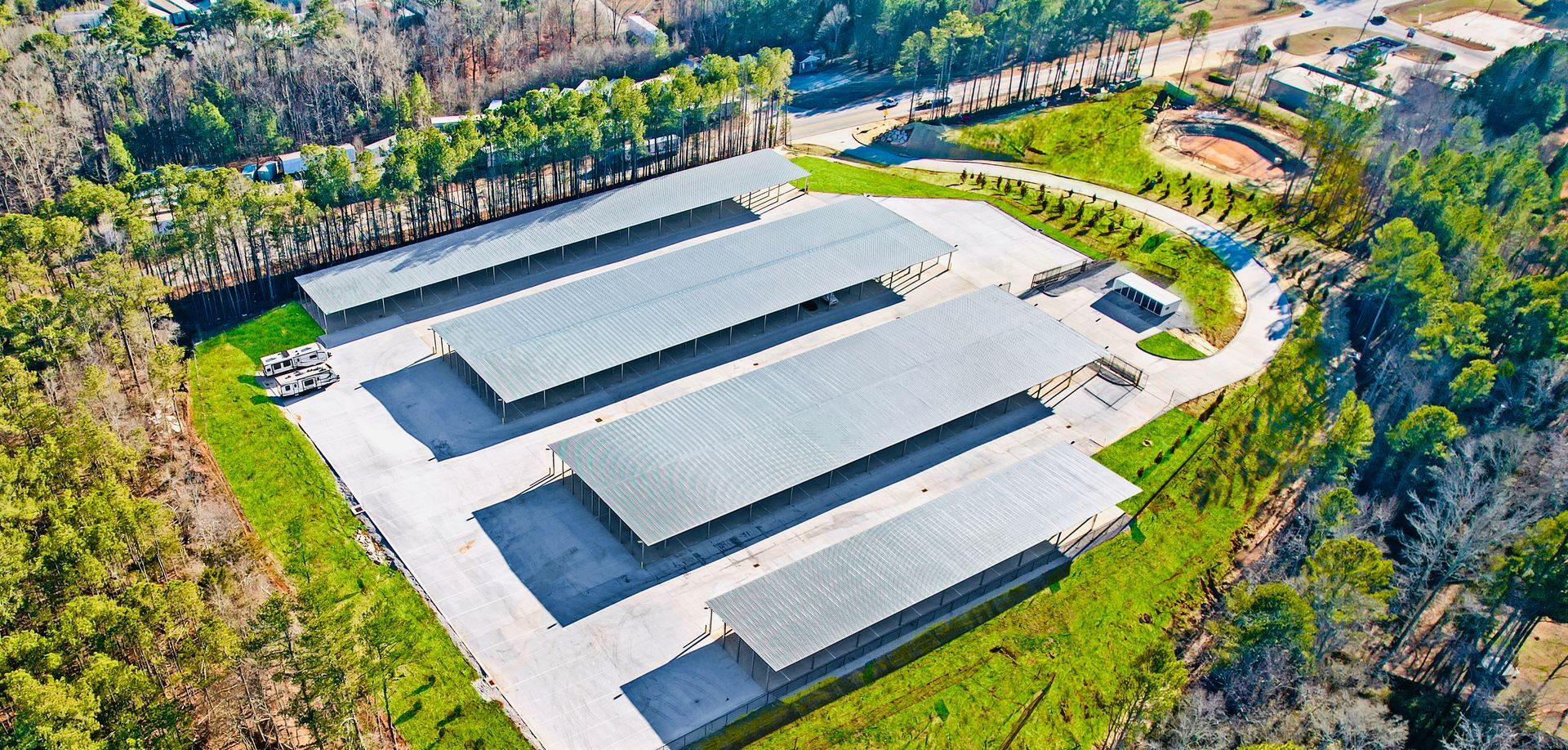
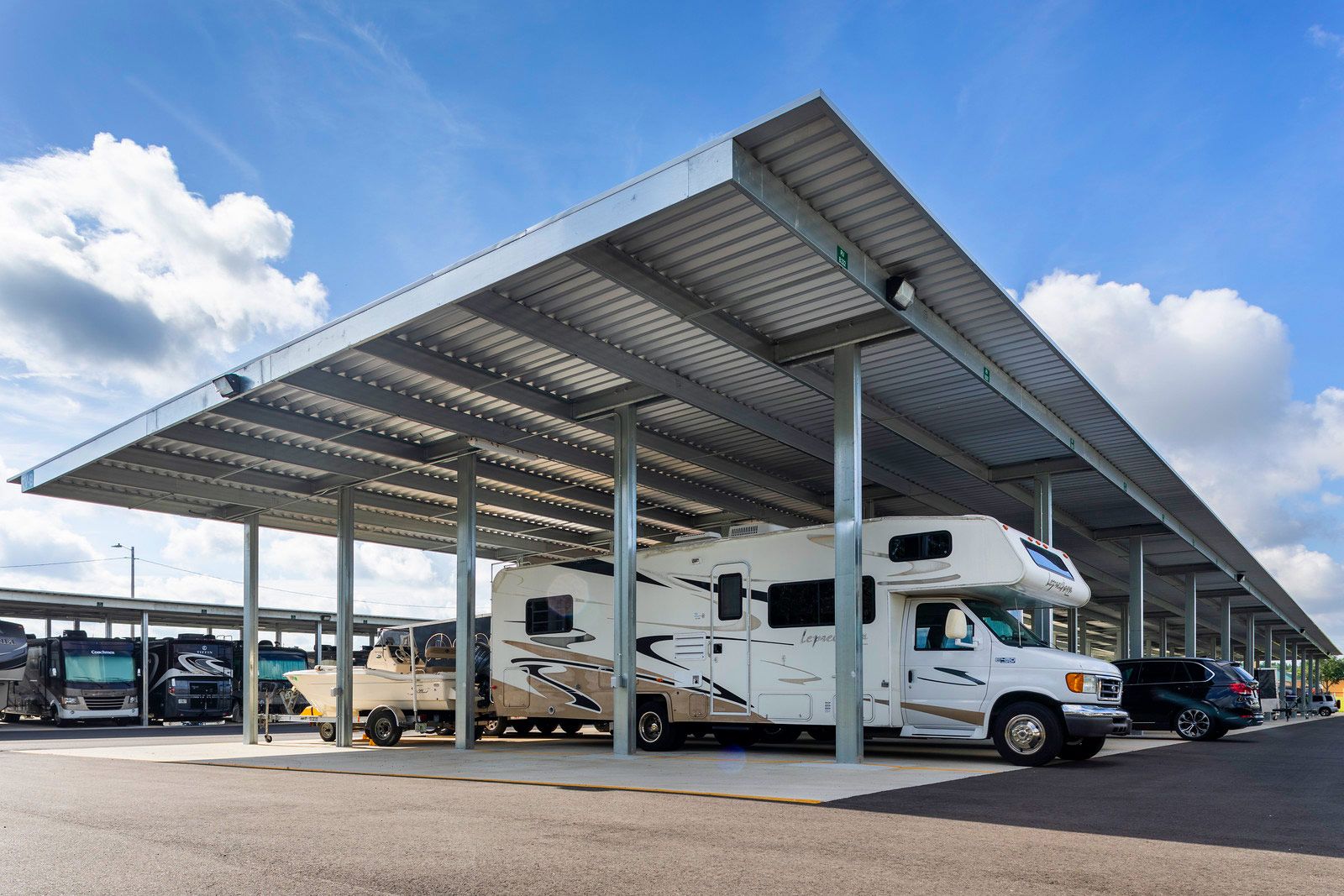
Oxford RV Storage provides facility-level security including gated access and lighting. This serves as the first layer of protection for stored vehicles.
Your own anti-theft measures—locks, devices, and preparation—add layers on top of facility security. The combination of a secure facility plus personal measures provides the best overall protection.