What 24-Hour Surveillance Means for Your Car Storage
"24-hour surveillance" sounds impressive on a storage facility's website. It suggests constant watchfulness, immediate response to threats, and professional security oversight. The reality at most vehicle storage facilities is considerably more modest—which isn't necessarily bad, but you should understand what you're actually getting.
What "24-Hour Surveillance" Usually Means
Cameras Recording 24/7
Most commonly, "24-hour surveillance" means cameras are installed and recording around the clock. This is passive surveillance—no one is actively watching the feeds in real-time.
What this provides:
- Evidence after an incident
- Deterrent effect (visible cameras discourage crime)
- Record of who entered and exited the facility
What this doesn't provide:
- Immediate response to crimes in progress
- Active prevention of theft or vandalism
- Someone watching your specific vehicle
Recorded but Reviewed Only After Incidents
When something happens, staff or law enforcement review footage to identify perpetrators or understand events. This is valuable for investigation and potential prosecution, but it doesn't stop the crime from occurring.
Important questions:
- How long is footage retained? (7 days? 30 days? 90 days?)
- What resolution are the cameras?
- What areas are covered? (Just the gate? Full lot coverage?)
- Is it night-vision capable?
Monitored Surveillance (Rare and More Expensive)
True monitored surveillance means someone is watching camera feeds in real-time—either on-site security staff or a remote monitoring service. This is uncommon at standard vehicle storage facilities due to cost.
What this provides:
- Potential for real-time response
- Ability to call police while crime is in progress
- Higher level of active protection
What to ask: "Who monitors the cameras, and what do they do if they see suspicious activity?"
If the answer is vague or the facility can't articulate their monitoring arrangement, it's probably just recording.
What Cameras Actually Deter
Cameras work as deterrents primarily through visibility. When potential criminals see cameras, they assess whether:
- Their actions will be recorded
- The facility appears well-managed
- The risk is worth it
Cameras deter:
- Opportunistic crime (random theft attempts)
- Casual vandalism
- Unauthorized entry by non-tenants
Cameras don't deter:
- Professional criminals who plan around security
- Crimes of desperation
- People who assume cameras aren't actually working
Camera Placement Quality
Where cameras are positioned matters more than the number of cameras.
Good placement:
- Gate entrance/exit (captures every vehicle and often plates)
- Main drive aisles
- Office/access points
- Storage building entrances
Poor placement:
- Only near the office
- Pointing at areas with no activity
- Blind spots in the lot
How to assess: Walk the property. Look for camera locations. Are there obvious areas with no coverage? Are cameras positioned to capture useful information (faces, license plates) or just general motion?
What to Ask About Surveillance
Recording Questions
- "How long do you retain footage?"
- 7 days is minimal
- 30 days is reasonable
- 90+ days is excellent
- "What areas are covered by cameras?"
- Gate only: Minimal
- Gate and office: Below average
- Gate, aisles, and building entries: Good
- Full lot coverage: Excellent
- "Can you access footage if my vehicle is damaged?"
- You want a yes. If they're vague, the footage may not be accessible or useful.
Quality Questions
- "What resolution are your cameras?"
- Old analog cameras: May not capture useful detail
- HD cameras: Can identify faces and plates
- 4K cameras: Excellent detail
- "Do cameras work at night?"
- Infrared/night vision: Essential for 24-hour value
- Standard cameras in low light: Often useless
Monitoring Questions
- "Who watches the cameras?"
- "They're recorded and reviewed if something happens": Passive surveillance
- "We have remote monitoring by [company name]": Active monitoring
- "Our on-site manager monitors them": May or may not mean continuous monitoring
Realistic Expectations
At most vehicle storage facilities in the Atlanta area, expect:
- Cameras recording at the gate and main areas
- Footage retained for 7-30 days
- No active real-time monitoring
- Footage reviewed only after reported incidents
This is a reasonable baseline for the price point of standard storage. It provides deterrence and investigation capability without the cost of 24/7 human monitoring.
When Enhanced Surveillance Matters
You might seek facilities with better surveillance if:
- Your vehicle is particularly valuable
- You're storing for extended periods without checking
- You have expensive contents (work trucks with tools, etc.)
- Previous experiences make you security-conscious
For high-value situations, look for:
- Facilities with on-site management
- Facilities that explicitly describe monitoring services
- Facilities that cater to valuable vehicles (collectors, exotics)
Surveillance vs. Other Security
Cameras are one component of security. They work best alongside:
- Gated access control – Limits who enters
- Lighting – Makes cameras more effective and deters crime independently
- Fencing – Physical barrier to entry
- Your own measures – Locks, alarms, tracking devices
Don't choose a facility based on cameras alone. The overall security picture matters more than any single element.
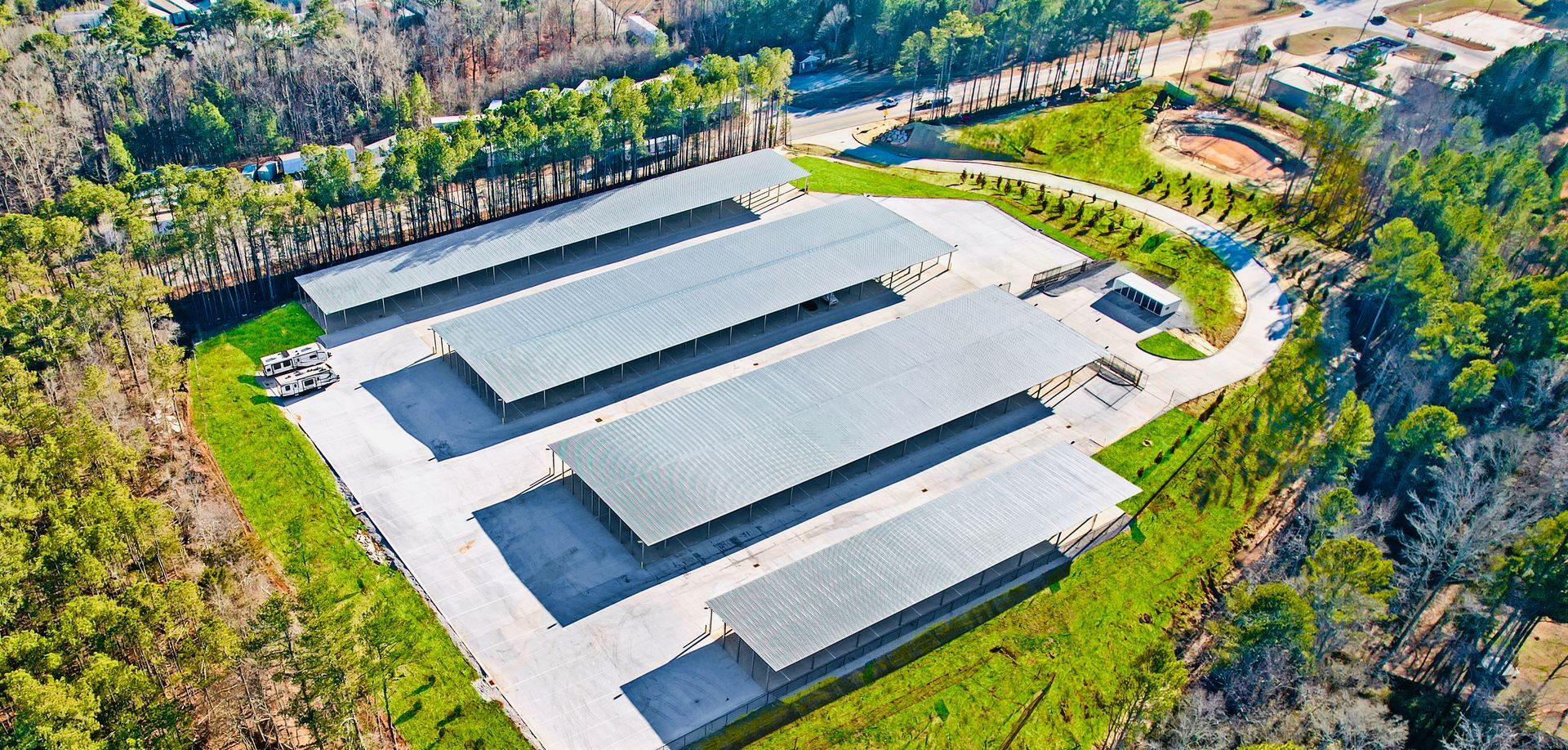
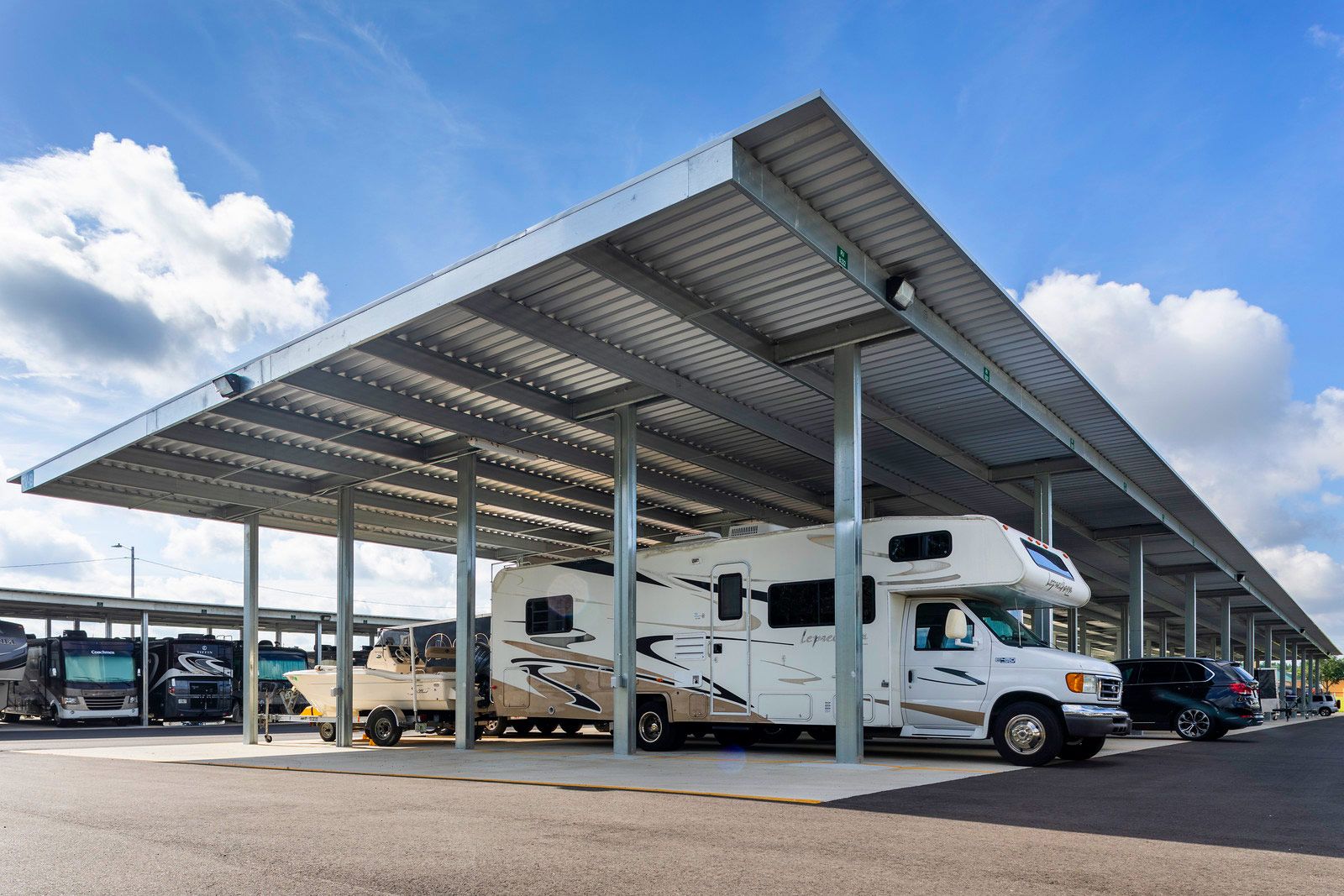
Oxford RV Storage Surveillance
Oxford RV Storage has camera surveillance as part of its security infrastructure, alongside gated access and lot lighting.
As with most facilities, understand that cameras provide deterrence and documentation rather than active intervention. For specific questions about camera coverage and footage policies, contact the facility directly.