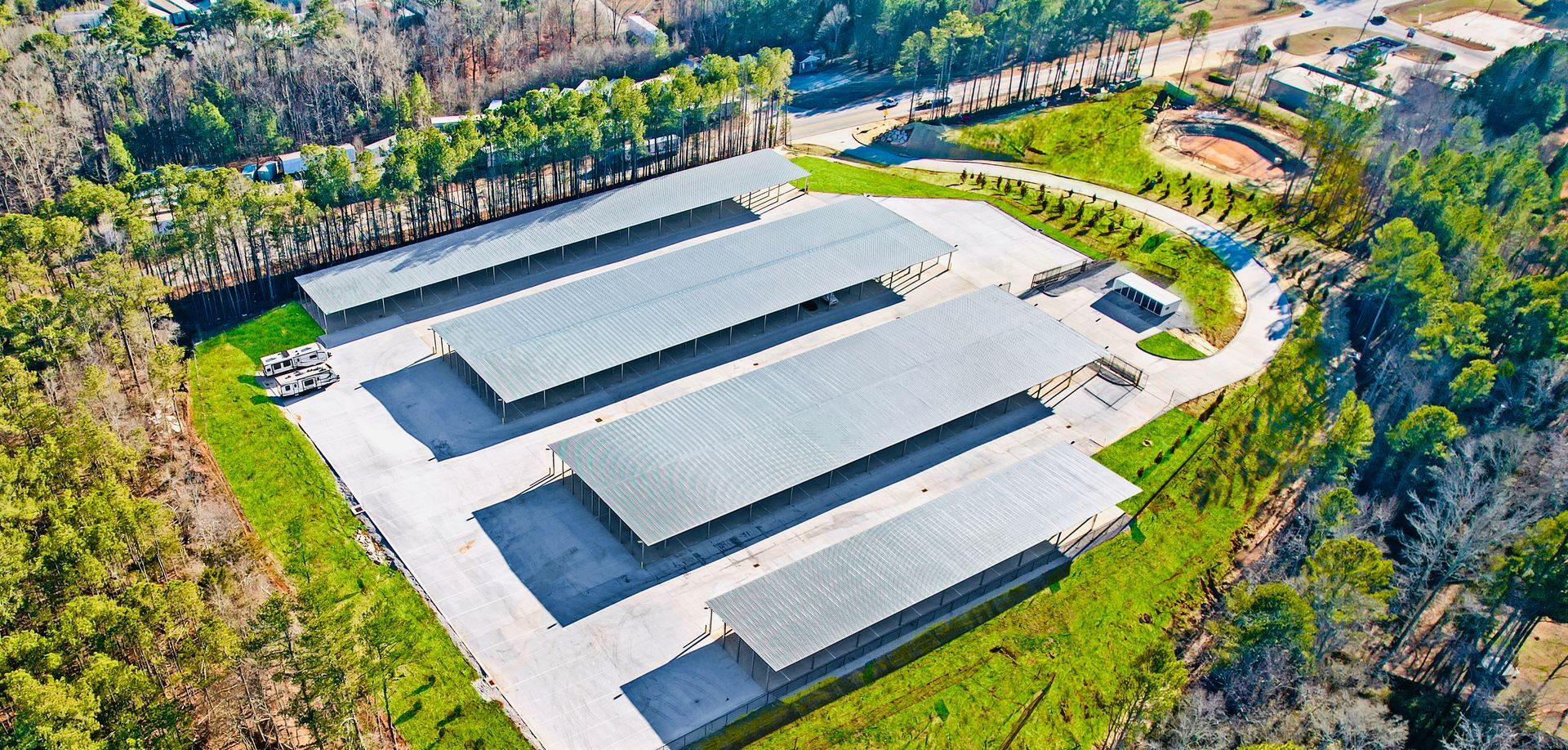
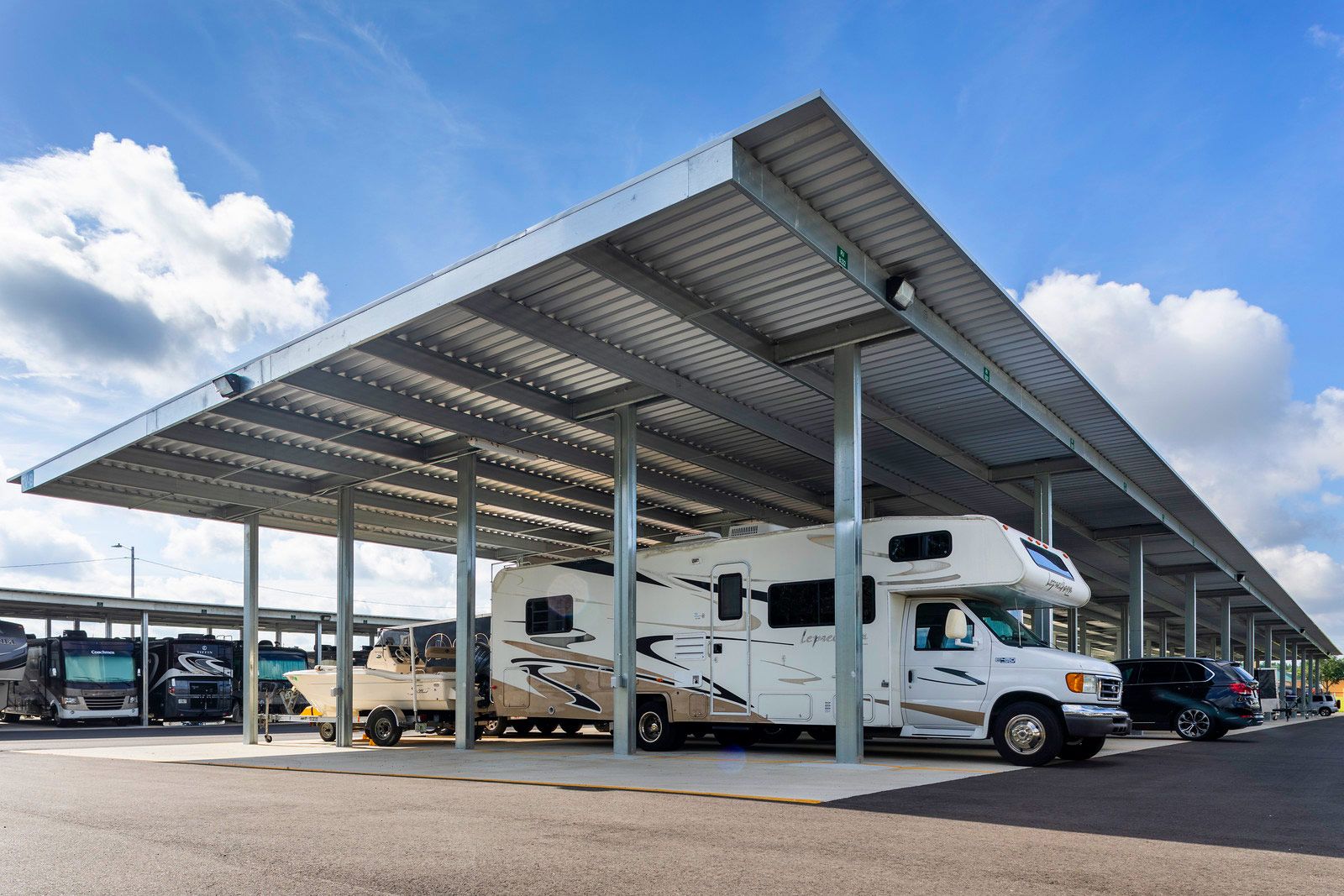
24-Hour Access Car Storage Near Atlanta and Oxford
"24-hour access" appears on nearly every storage facility's feature list. But what this actually means varies considerably—from true anytime entry to extended hours that still have restrictions. Understanding the differences helps you choose a facility that matches how you'll actually use it.
What 24-Hour Access Usually Means
True 24/7 Access
You can enter and exit the facility at literally any time—2 AM on a Tuesday, 4 AM on Christmas morning, whenever. The gate accepts your code or card around the clock without restriction.
When you need this:
- Early morning departures for trips (4-5 AM starts)
- Late returns from work or travel
- Unpredictable schedules (shift workers, healthcare professionals)
- Emergency access needs
Extended Hours (Not Quite 24/7)
Some facilities advertise "24-hour access" but actually mean very long hours—say, 5 AM to 11 PM. This covers most use cases but isn't truly anytime.
How to identify: Ask specifically "Can I access my vehicle at 3 AM?" If they hedge or mention restrictions, it's not true 24/7.
Office Hours vs. Access Hours
Most facilities distinguish between:
- Office hours: When staff are present for questions, payments, new rentals
- Access hours: When you can enter the property to access your vehicle
Office hours are typically business hours (9-5 or similar). Access hours are usually much longer.
Why Access Hours Matter
RV and Boat Owners
Getting an early start on road trips or water trips is common. If you want to leave at 5 AM for a camping weekend, you need access before staff arrive.
Travelers
Flights leave and arrive at all hours. If you're returning from a trip at midnight and want your car, restricted access becomes a problem.
Work Vehicle Users
Contractors and others who start early or work late need access outside business hours.
Personal Schedules
Night shift workers, people with variable schedules, or anyone whose life doesn't conform to 9-5 needs flexibility.
How Gate Access Systems Work
Keypad Code Entry
You receive a numeric code that opens the gate. Enter it, gate opens, you drive through.
Advantages: Simple, no physical token to lose Disadvantages: Codes can be shared, you might forget the code
Important: Is your code unique, or does everyone use the same code? Unique codes are standard at quality facilities.
Key Card or Fob
A physical device (card or key fob) that opens the gate when presented to a reader.
Advantages: Harder to share than a code, can be deactivated instantly if lost Disadvantages: Can be lost, forgotten, or damaged
App-Based Access
Newer systems use smartphone apps to control gate entry.
Advantages: Can't leave your phone behind, often logs entry/exit Disadvantages: Requires smartphone, depends on app functioning, can be glitchy
Combined Systems
Some facilities use code + card, or allow either method. This provides flexibility and backup.
Questions to Ask About Access
- "Are there any restrictions on when I can access my vehicle?"
- The straightforward question. Clear answers are good; vague answers warrant follow-up.
- "What happens if I'm locked out after hours?"
- Facilities should have a procedure—emergency contact, management on-call, or similar.
- "How do I get my access credentials?"
- Code provided immediately, card/fob mailed or picked up at office, app download, etc.
- "Can my access be disabled, and under what circumstances?"
- Non-payment typically suspends access. Understanding the policy avoids surprises.
- "Is there different pricing for 24-hour access vs. restricted hours?"
- Some facilities charge extra for 24/7 access. Usually not, but worth asking.
Security Considerations with 24-Hour Access
Unlimited access raises security questions:
- Who else is entering the facility at 2 AM?
- Are late-night entries logged?
- Is lighting sufficient for nighttime visits?
A well-run facility addresses these through:
- Individual access credentials (every entry is tracked)
- Full-lot lighting
- Camera coverage
- Prompt access revocation for non-paying tenants
Poorly run facilities with 24-hour access can be security risks—anyone with an old code or unreturned fob might still have access.
When You Don't Need 24-Hour Access
If you're storing a car you only access monthly, and you're always available during normal business hours, you probably don't need 24/7 access. Many facilities offer "office hours access" at slightly lower rates.
However, most Atlanta-area storage facilities include 24-hour gate access as standard without extra charge.
Night Access Practical Tips
If you'll be accessing storage at night:
Safety:
- Note the facility's lighting quality during your visit
- Be aware of your surroundings
- Let someone know where you're going if late at night
Practical:
- Keep your access code saved in your phone
- Have a backup plan if the gate malfunctions
- Know the facility's after-hours contact number
Oxford RV Storage Access
Oxford RV Storage provides gate access for customers to reach their vehicles. For specific access hours and how the gate system works, contact the facility directly.
Access needs vary by customer—someone storing an RV for seasonal use has different needs than a contractor accessing work vehicles daily. Discuss your typical usage pattern when choosing storage.