Top Safety Tips for Storing Luxury Cars in Georgia
Safety in luxury car storage has two dimensions: security (protecting against theft and vandalism) and preservation (protecting against environmental and time-based damage). Both matter, and both require deliberate attention beyond what standard vehicles need.
Security Safety Tips
Choose Facilities Carefully
Not all storage facilities take security seriously. For luxury vehicles, look for:
Non-negotiables:
- Gated access with individual codes (not shared)
- Perimeter fencing in good condition
- Adequate lighting throughout the lot
- Gate that closes promptly after entry
Better:
- Camera coverage with recording
- Access logs maintained
- Management presence or regular patrols
- Track record without significant incidents
Best:
- Facilities with other high-value vehicles
- Discrete locations (not advertising "luxury car storage")
- Active monitoring or quick response systems
Limit Information Exposure
Theft often starts with information. Reduce what others know:
- Don't post about your car's storage location on social media
- Don't leave documents in the car identifying your address
- Choose facilities that don't advertise their high-value inventory
- Be cautious about who you tell about the storage arrangement
Add Your Own Security
Facility security is one layer. Add more:
Visible deterrents:
- Steering wheel lock (shows the car isn't an easy target)
- Alarm system stickers (even if no alarm)
Functional protection:
- Kill switch (hidden, prevents easy theft)
- GPS tracker (enables recovery if stolen)
- Wheel locks (prevent quick wheel theft)
Insurance Verification
Confirm your insurance covers the car while in storage:
- Comprehensive coverage (covers theft, vandalism, weather)
- Storage location coverage (some policies require notification of off-site storage)
- Agreed value vs. actual cash value (important for appreciating vehicles)
If your policy doesn't adequately cover storage, adjust it before storing.
Preservation Safety Tips
Climate Considerations for Georgia
Georgia's climate creates specific challenges:
Summer heat (90-100°F ambient, 140-170°F inside cars):
- Damages interior plastics
- Stresses electronics
- Degrades rubber and seals
- Accelerates fluid breakdown
Protection: Climate-controlled storage eliminates this. Covered storage reduces but doesn't eliminate. Proper preparation (reflective shades, interior covers) helps in any environment.
Humidity (70%+ much of the year):
- Causes condensation
- Promotes rust and corrosion
- Enables mold and mildew
- Damages electronics and leather
Protection: Climate-controlled storage with humidity management. For other storage types, use moisture absorbers throughout the car.
UV exposure (217 sunny days average):
- Fades paint
- Cracks dashboards
- Degrades rubber
- Damages leather
Protection: Any covered or indoor storage eliminates direct UV. For outdoor storage, a quality car cover is essential.
Battery Safety
Luxury car batteries face specific challenges:
Parasitic drain: Modern luxury cars have extensive electronics that draw power even when off. Batteries often die within 2-4 weeks.
The fix:
- Use a quality battery maintainer appropriate for your vehicle
- Or disconnect the battery (may require code re-entry on some systems)
- Check battery condition before and during storage
Lithium-ion batteries (some newer luxury cars): Require specific maintainers—not all standard maintainers work properly.
Fuel Safety
Fuel system issues can damage expensive components:
Fuel degradation: Ethanol-blend fuel breaks down within 30-60 days, potentially damaging fuel injectors and pumps.
Protection:
- Fill with ethanol-free premium if available
- Add quality fuel stabilizer
- Run the engine to circulate treated fuel
- For very long storage, consider professional fuel system draining
Tire Safety
Luxury and performance tires are expensive and vulnerable:
Flat-spotting: Develops when tires sit in one position, especially in heat. Can be permanent with soft-compound performance tires.
Protection:
- Maintain proper (or slightly elevated) tire pressure
- Move the car periodically to change contact points
- Use jack stands for long-term storage
- Use tire cradles designed for storage
UV damage: Even more significant than mileage for tire aging.
Protection: Tire covers when in outdoor or covered (but not enclosed) storage.
Pest Safety
Rodents love stored vehicles:
Risks:
- Chewed wiring (expensive repairs)
- Nesting in interior and engine compartment
- Contamination and odor
Protection:
- Remove all food from the car
- Seal any obvious openings
- Use repellents (mothballs in socks, electronic deterrents)
- Regular inspection during storage
Pre-Storage Safety Checklist
Before putting your luxury car in storage:
- ☐ Research and visit potential storage facilities
- ☐ Verify insurance coverage for storage situation
- ☐ Full detail (exterior and interior)
- ☐ Document condition with dated photos
- ☐ Fresh oil if due
- ☐ Full tank of premium/ethanol-free fuel with stabilizer
- ☐ Check all fluid levels
- ☐ Battery maintainer connected (or battery disconnected)
- ☐ Tires properly inflated
- ☐ Moisture absorbers placed throughout interior
- ☐ Pest deterrents deployed
- ☐ Car cover (if not indoor storage)
- ☐ All security measures activated
- ☐ Storage facility contact info saved
- ☐ Trusted contact informed of storage location
Oxford RV Storage for Luxury Vehicles
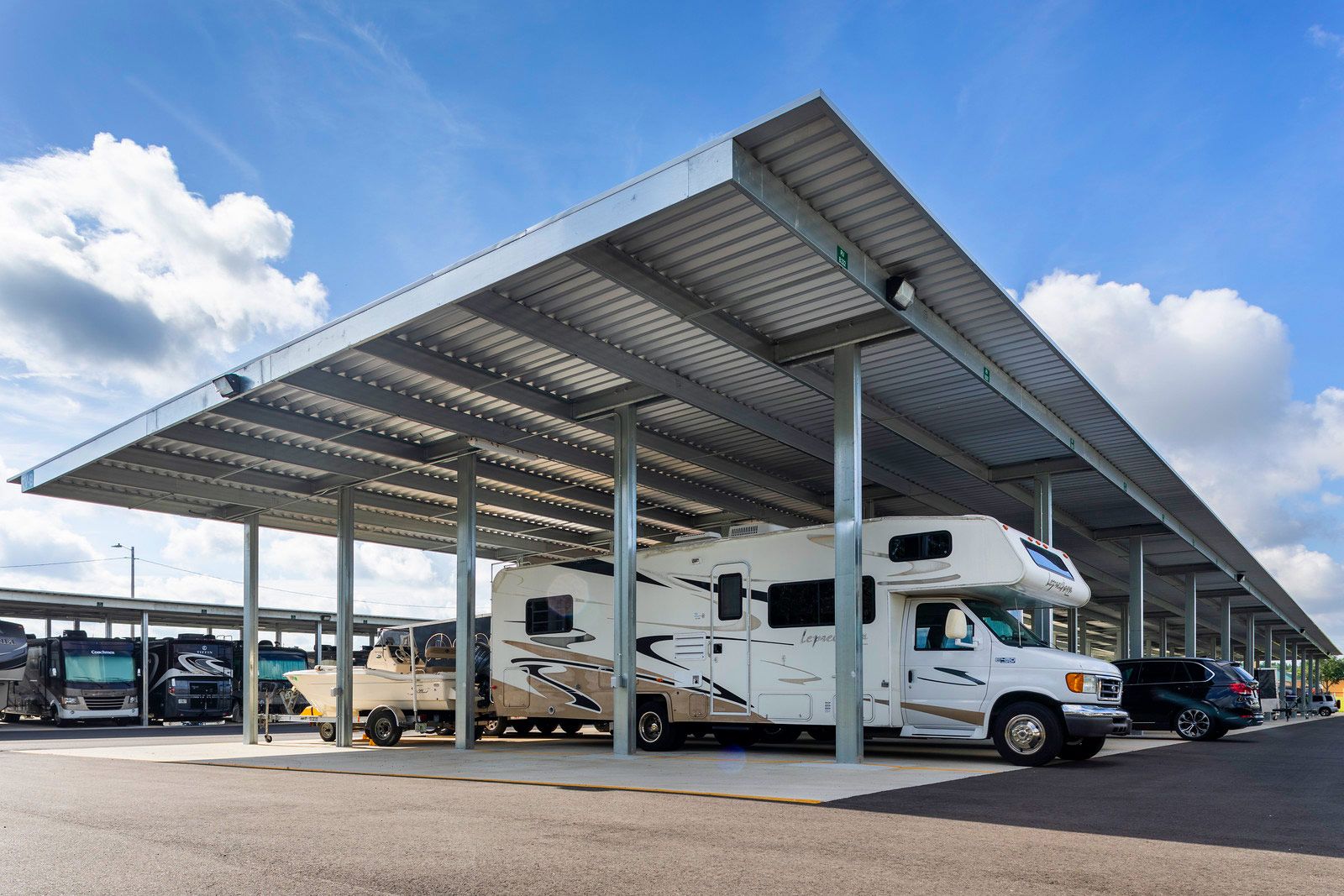
Oxford RV Storage offers secure covered storage appropriate for luxury vehicles whose owners are comfortable with hands-on preparation and maintenance. The facility provides gated access, lighting, and security appropriate for valuable vehicles.
For luxury cars requiring climate control or concierge services, specialized collector car facilities in the Atlanta area are more appropriate. Oxford RV Storage serves luxury car owners who want secure, protected space with their own active involvement in preservation.