Camper Storage Mistakes to Avoid
After years of seeing campers come out of storage with preventable damage, certain mistakes appear repeatedly. These aren't obscure issues—they're common errors that cost camper owners hundreds to thousands of dollars. Learning from others' mistakes is cheaper than making your own.
Mistake #1: Storing With Food Inside
What happens: Even sealed food attracts rodents. A single mouse can cause extensive damage—chewed wires, destroyed upholstery, contaminated surfaces, and nests in insulation.
The damage: Wiring repairs can run $500-2,000+. Upholstery replacement varies widely. The smell from rodent infestation can persist after cleaning.
How to avoid:
- Remove ALL food—sealed packages, canned goods, everything
- Clean thoroughly to remove crumbs and residue
- Check every cabinet and drawer
- Use rodent deterrents (mothballs, electronic repellents)
- Seal any openings you can find
Mistake #2: Leaving Holding Tanks Full
What happens: Waste in black and gray tanks causes permanent odor issues, damages sensors, and can freeze and crack tanks in winter.
The damage: Sensor replacement: $50-200. Tank cleaning/deodorizing: $100-300. Tank replacement: $500-1,500.
How to avoid:
- Empty tanks completely before storage—every time
- Run a tank cleaning treatment before final dump
- Add RV antifreeze to tanks for winter storage
Mistake #3: Ignoring the Roof
What happens: Small roof damage—a crack in sealant, a loose vent—lets water in during storage. Water soaks into wall cavities, causing delamination, rot, and mold that isn't visible until it's severe.
The damage: Minor roof repair: $100-500. Water damage repair from ignored leaks: $2,000-10,000+.
How to avoid:
- Inspect the roof before every storage period
- Check sealant around every penetration (vents, AC, antenna)
- Reseal anything questionable
- This takes 30 minutes and costs $20 in sealant
Mistake #4: Leaving the Parking Brake Engaged
What happens: The parking brake can bond to the drum over time, especially in humid conditions. When you try to move, you have frozen brakes.
The damage: Stuck brakes can often be freed, but may require professional service ($100-300). In worse cases, brake component replacement.
How to avoid:
- Release the parking brake before storage
- Use wheel chocks to keep the camper in place
- Leave the camper in gear or Park
Mistake #5: Battery Neglect
What happens: Batteries discharge during storage (parasitic drain from appliances, natural discharge). Once deeply discharged, batteries sulfate and lose capacity permanently.
The damage: Battery replacement: $100-300 each. Many campers have multiple batteries.
How to avoid:
- Disconnect the battery, or
- Use a battery maintainer
- Check battery monthly if possible
Mistake #6: Storing Without Winterization (Even in Georgia)
What happens: A single hard freeze cracks pipes, destroys water pumps, and damages water heaters. Georgia gets several nights per winter below freezing—sometimes into the teens.
The damage: Water pump: $50-150. Water heater: $200-600. Multiple cracked pipes: varies widely but easily $500+.
How to avoid:
- Winterize every fall—full antifreeze method is safest
- At minimum, drain all water systems completely
- Don't assume Georgia is too warm for freeze damage
Mistake #7: Improper Tire Care
What happens: Tires sitting in one position for months develop flat spots. UV exposure degrades sidewalls faster than miles do. Low pressure causes additional stress.
The damage: Tire replacement: $150-400 each, times 4-6 tires.
How to avoid:
- Check and maintain proper tire pressure
- Cover tires to block UV (or use covered storage)
- Move the camper periodically to change contact points
- Consider jack stands for very long storage
Mistake #8: Choosing Storage on Price Alone
What happens: The cheapest facility may have poor drainage (flooding), inadequate security (theft), or management issues. One incident can cost more than years of savings.
The damage: Highly variable—but a single theft, flood, or major hail event can easily exceed $5,000.
How to avoid:
- Visit facilities before committing
- Check drainage after rain
- Assess security realistically
- Consider value, not just price
Mistake #9: Neglecting Moisture Control
What happens: Georgia humidity causes mold and mildew inside stored campers, sometimes within weeks. The musty smell can become permanent, and mold can damage surfaces.
The damage: Professional mold remediation: $500-2,000+. Affected fabrics and surfaces may need replacement.
How to avoid:
- Use moisture absorbers throughout the camper (DampRid or similar)
- Allow some ventilation if possible
- Check and replace moisture absorbers periodically
- Don't store with wet items inside
Mistake #10: Storing Under Trees
What happens: Branches fall. Sap drips. Birds perch. Leaves accumulate and trap moisture. The "free shade" comes with significant costs.
The damage: Falling branch damage: varies from cosmetic to catastrophic. Sap and bird droppings damage paint and surfaces if left untreated.
How to avoid:
- Choose storage spaces away from trees
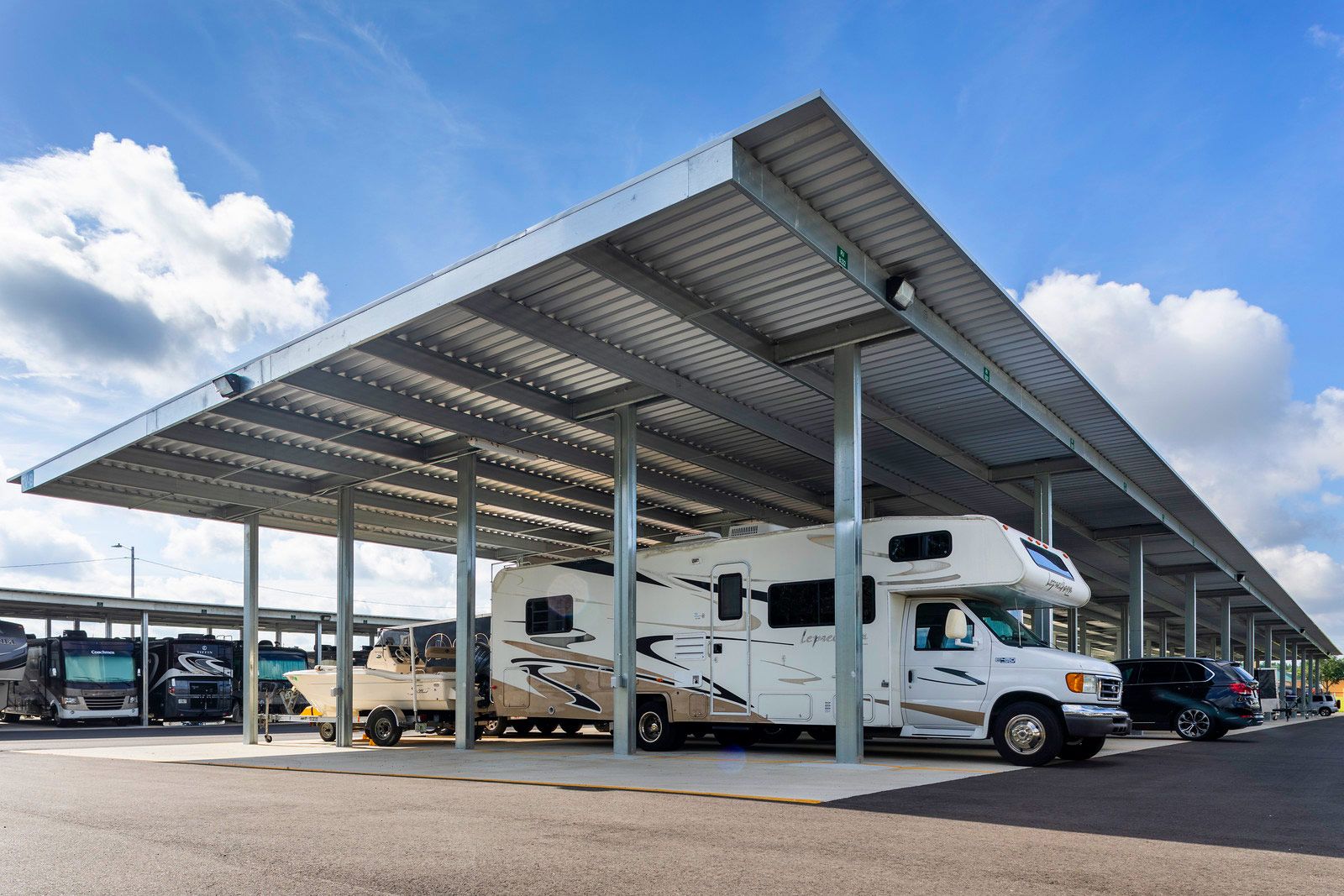
- Covered storage eliminates most tree-related issues
- If unavoidable, check frequently and clean immediately
Mistake #11: Assuming the Facility Maintains Your Camper
What happens: Storage facilities provide space and security—not monitoring, maintenance, or problem notification. Issues develop during storage and compound until you discover them.
The damage: Whatever problems occurred while nobody was watching.
How to avoid:
- Understand that preparation and maintenance are your responsibility
- Check your camper at least monthly if possible
- Accept that you're not addressing problems until you retrieve it
Mistake #12: Rushing the Storage Process
What happens: Quick storage without proper preparation leads to multiple preventable issues. The 2 hours saved by skipping prep can cost thousands in repairs.
How to avoid:
- Allow adequate time for proper storage preparation
- Use a checklist to ensure nothing is missed
- Do it right once rather than dealing with consequences later
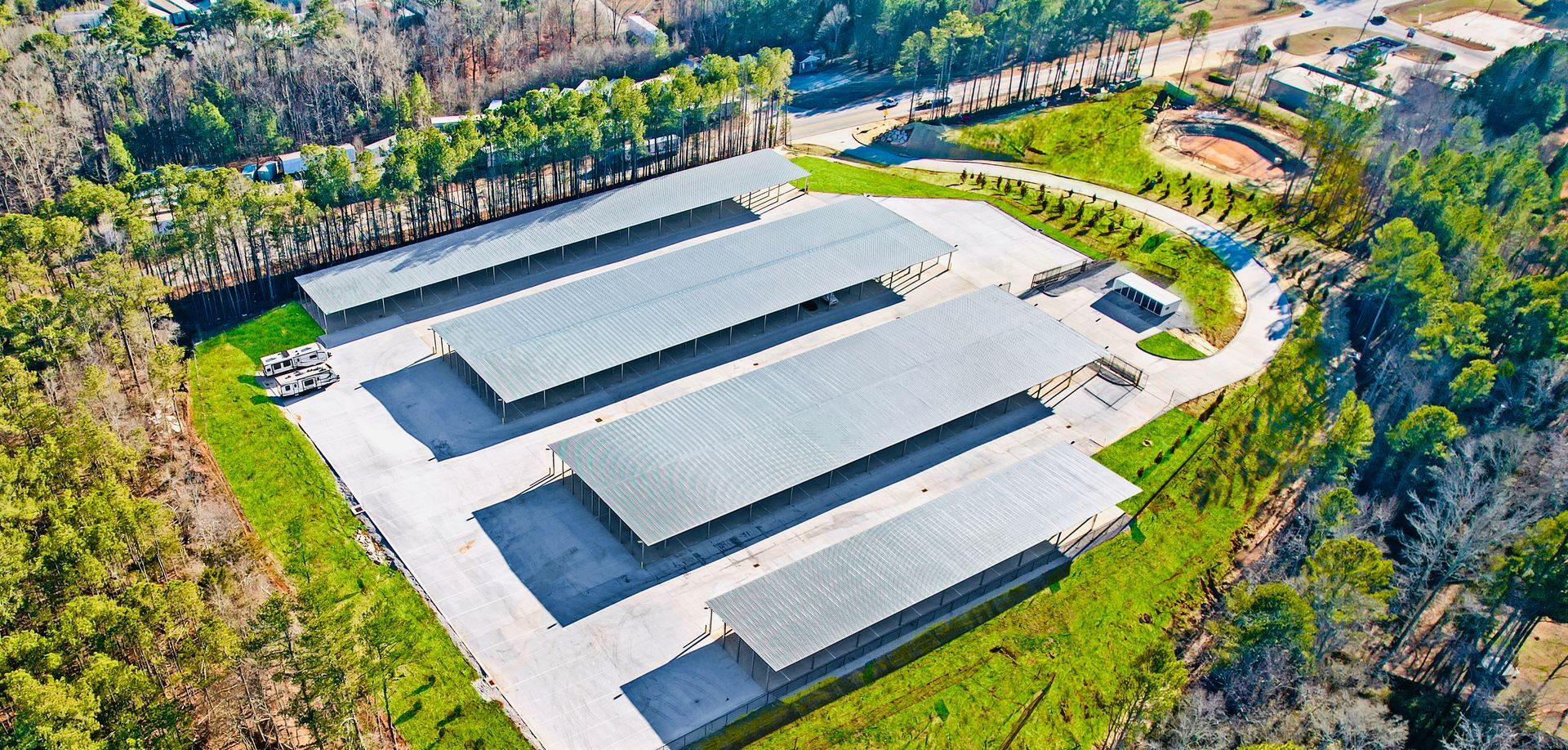
Oxford RV Storage
Oxford RV Storage provides secure storage space—the rest is up to you. Proper preparation before storage, choosing appropriate storage type, and periodic maintenance during storage prevent the expensive mistakes described above.