Outdoor vs Indoor Car Storage in Atlanta, Which Is Better
The outdoor vs indoor car storage decision comes down to math: what's the value of your car, how long will it sit, and what risks are you willing to accept? For a 2015 Camry you're storing while deployed, outdoor is obviously fine. For a $200,000 collectible you're storing for years, indoor is equally obvious. The interesting cases are everything in between.
What "Indoor" Actually Means in Atlanta
Indoor car storage isn't a single thing—it's a spectrum:
Enclosed but not climate-controlled — Your car is inside a building (warehouse-style or individual garage units), protected from weather and UV, but temperature swings with the seasons. Summer heat still reaches 90+ degrees inside; winter drops to outdoor temps. This costs roughly 50-100% more than outdoor storage.
Climate-controlled — Temperature and humidity are actively managed. The building stays 55-75°F year-round with humidity below 50%. This is premium storage, often 100-200% more than outdoor rates, and isn't widely available in the Atlanta area for standard vehicles.
For most car owners, "indoor" means enclosed-but-not-climate-controlled. True climate control is rare outside of specialized collector car storage facilities.
The Actual Threats in Georgia
UV/Sun Damage
Georgia averages 217 sunny days per year. Parked outside, a car receives continuous UV exposure that:
- Fades paint (especially red, black, and other darker colors)
- Cracks and fades interior dashboards and plastics
- Degrades rubber seals and trim
- Damages leather over time
This damage is cumulative and accelerating—a car that's sat outside for 2 years shows dramatically more sun damage than one that's sat for 1 year, not just twice as much.
Indoor advantage: Complete UV elimination. This is indoor storage's single biggest benefit.
Hail
Atlanta typically sees 2-4 significant hail events per year, usually during spring severe weather season (March-May). A single bad hailstorm can cause $2,000-10,000+ in damage to an exposed car.
Indoor advantage: Complete hail protection. Even basic enclosed storage eliminates this risk.
Heat
Georgia summers regularly hit 95°F+ ambient temperatures. Inside a parked car, temperatures reach 140-170°F. This heat:
- Accelerates interior degradation
- Can damage electronics over time
- Stresses batteries
- Degrades fluids faster
Indoor advantage: Moderate. Enclosed-but-not-climate-controlled buildings get hot too—often 85-100°F in summer. Better than 150°F inside the car in direct sun, but not dramatically cooler. Only true climate control addresses heat completely.
Theft and Vandalism
This varies entirely by location and facility. A well-secured outdoor lot can be safer than a poorly managed indoor facility, and vice versa.
Indoor advantage: Usually slight. Indoor storage adds one more barrier (the building door), but security depends far more on the facility's overall setup.
Tree Debris and Bird Droppings
Outdoor storage under or near trees means falling branches, sap, and constant bird deposits. All of these damage paint if left to sit.
Indoor advantage: Complete. But outdoor lots that are properly cleared of trees mostly eliminate this too.
When Outdoor Storage Makes Sense
Your car's value doesn't justify the premium. If you're storing a $15,000 car and indoor storage costs $100/month more, you'd spend $1,200/year extra. That's 8% of the car's value annually just for storage. Unless you're storing for many years, outdoor (possibly with a quality cover) makes more financial sense.
You'll use the car regularly. If you're taking the car out every 2-4 weeks, you're already cleaning it, checking on it, and keeping up with minor issues. The incremental damage from outdoor storage is minimal because you're not letting problems compound.
Your car has already weathered years of use. A 10-year-old daily driver with existing paint fade and interior wear doesn't meaningfully benefit from indoor storage. You're protecting damage that's already occurred.
You're storing short-term. Under 3 months of outdoor storage in normal weather causes minimal lasting damage.
When Indoor Storage Makes Sense
Your car is valuable—either financially or personally. Classic cars, collectibles, limited editions, or vehicles you've restored all justify indoor protection. The cost of potential damage exceeds the storage premium.
You're storing long-term without regular use. Six months to multiple years of continuous outdoor storage compounds every damage mechanism. Indoor storage buys time by slowing everything down.
You lack a good outdoor alternative. Not all outdoor storage is equal. A shadeless gravel lot surrounded by trees is significantly worse than an indoor option.
Your car has special vulnerabilities. Factory graphics/wraps, convertible tops, and certain paint types (especially matte or satin finishes) require more protection than standard vehicles.
The Covered Middle Ground
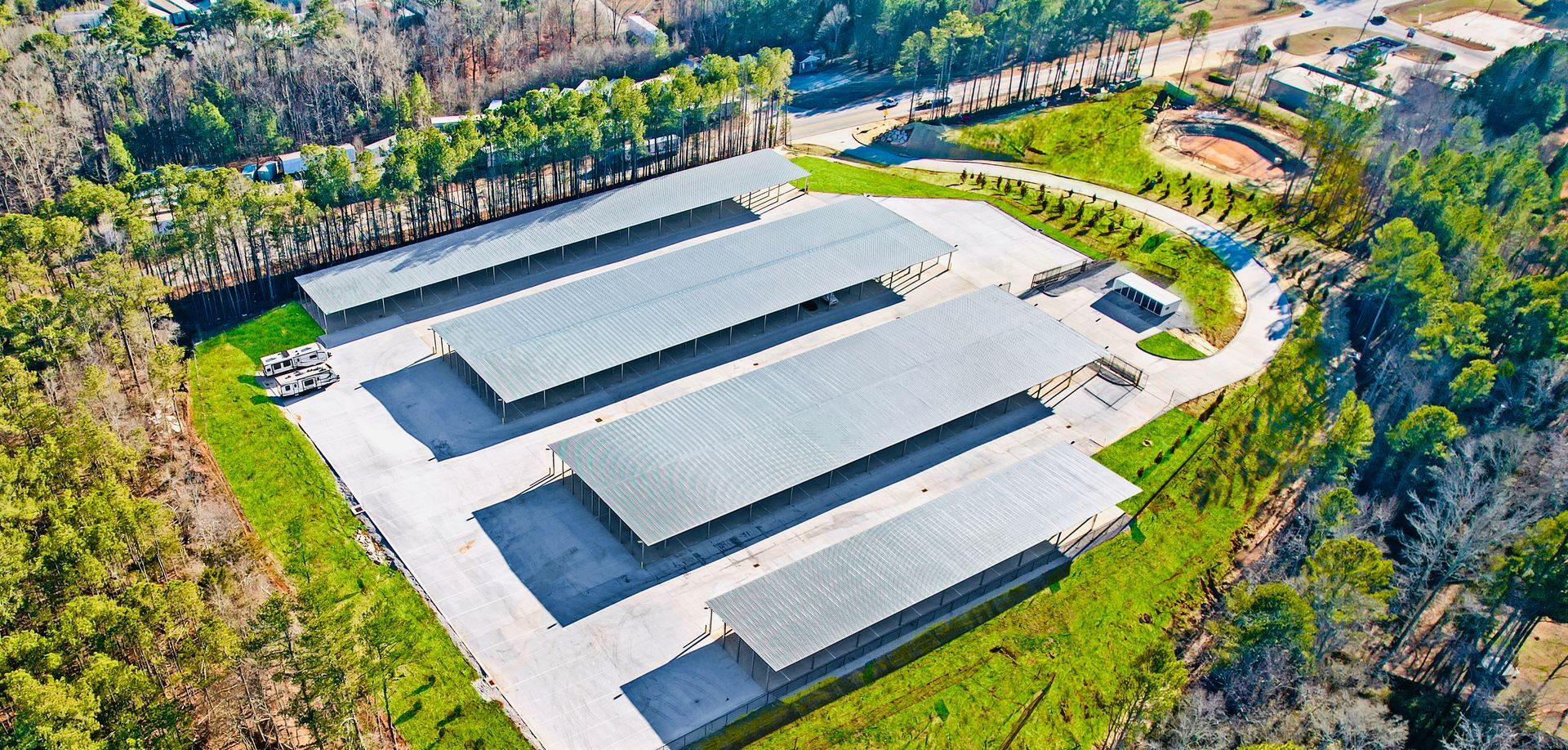
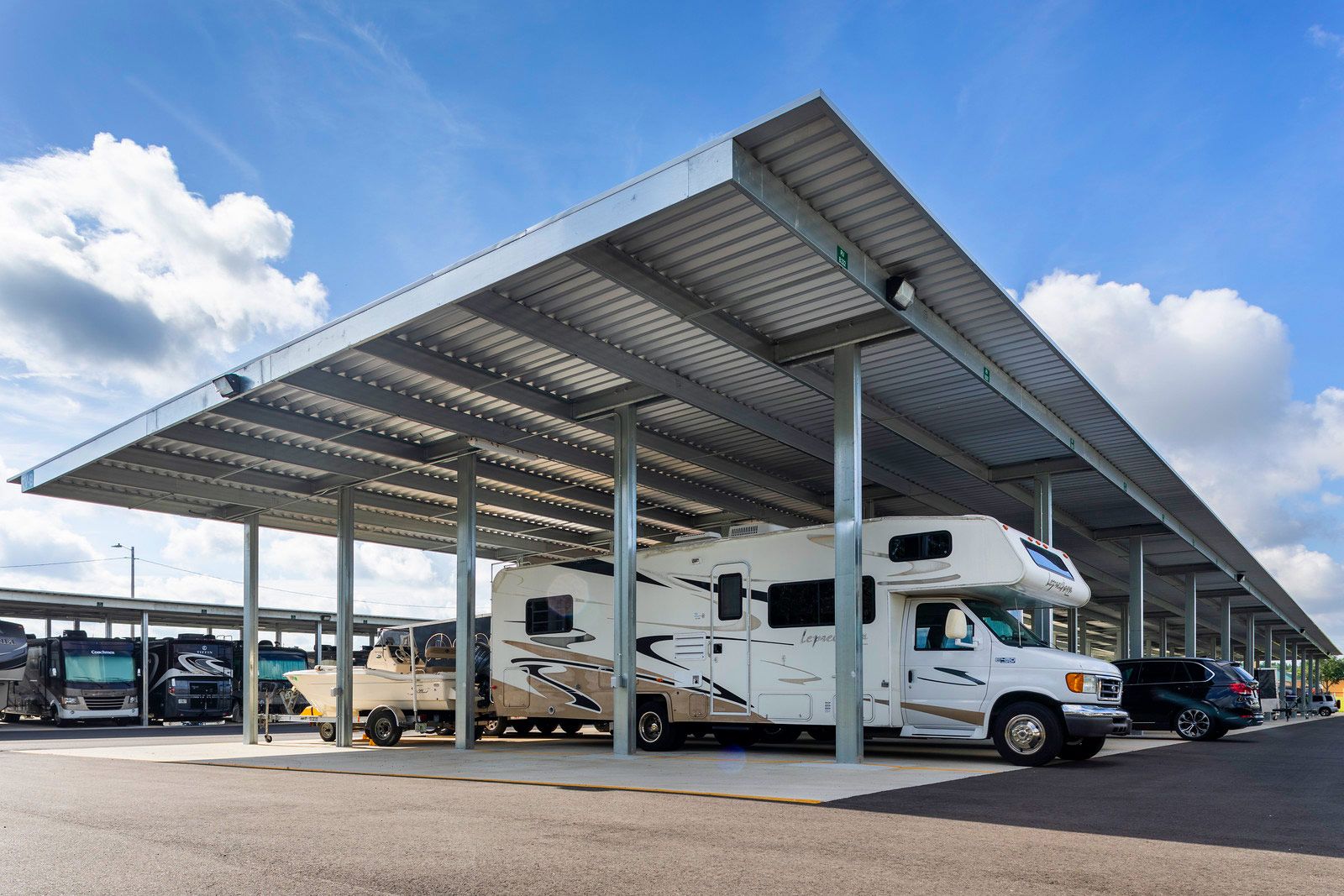
Covered storage—a roof overhead with open or semi-enclosed sides—offers roughly 70% of indoor protection at roughly 130% of outdoor prices. You eliminate UV and hail (the two biggest threats) while accepting some temperature exposure and potential for wind-driven rain.
For most car owners storing 3-12 months, covered is the rational compromise. You're protected from catastrophic damage (hail) and gradual damage (UV) without paying full indoor premiums.
Making the Decision
Questions to ask yourself:
- What is the car worth, and would I actually fix damage that occurred?
- How long will I store, and will I check on it during that time?
- Does the car have any special vulnerabilities (soft top, expensive paint, rare parts)?
- What's the actual cost difference at facilities I'm considering?
Don't let online advice convince you that every car needs indoor storage, or that outdoor storage destroys vehicles. The practical answer depends entirely on your specific situation.
Oxford RV Storage Options
Oxford RV Storage offers both outdoor and covered storage for cars alongside RVs and boats. Located in Oxford, GA on the east side of the Metro, the facility provides options at different price points so you can match storage type to your actual needs.
For specific availability and current pricing on different storage types, contact the facility directly.