Safe Car Storage Facilities Near Oxford and the Atlanta Metro
"Safe" car storage means different things to different people. For some, it's primarily about theft prevention. For others, it's about protecting the vehicle from weather and damage. And for many, it's both—security plus environmental protection. Understanding the different dimensions of safety helps you evaluate facilities based on what actually matters for your situation.
Safety Dimensions
Security Safety (Theft and Vandalism)
Protection against human threats: theft, break-ins, vandalism, and unauthorized access.
Key features:
- Gated access with individual credentials
- Perimeter fencing in good repair
- Lighting throughout the facility
- Camera coverage
- Controlled entry/exit
What this protects against: Someone stealing your car, breaking in to steal contents, vandalizing the vehicle, or unauthorized people accessing the property.
Environmental Safety (Weather and Damage)
Protection against natural threats: sun, rain, hail, wind, and debris.
Key features:
- Covered or indoor storage options
- Well-drained lot (no flooding)
- Trees managed (no overhanging branches)
- Quality ground surface
What this protects against: Hail damage, sun fade, flooding, tree debris, and weather-related deterioration.
Operational Safety (Management Quality)
How well the facility is run affects both security and environmental protection.
Indicators:
- Clean, well-maintained property
- Responsive management
- Clear policies and enforcement
- Other well-maintained vehicles stored (suggests quality clientele)
What this protects against: Problems that arise from poor management—lax security, deferred maintenance, ignored issues.
Evaluating Security Safety
What to Look For
Fencing:
- 6+ feet tall
- No gaps or damaged sections
- Extends fully around the property
- Gates are solid and close properly
Access control:
- Individual codes or cards (not shared)
- Gates that close promptly after entry
- Clear policy on deactivating former tenants
Lighting:
- Full lot coverage
- Lights actually working
- No dark corners or blind spots
Cameras:
- Positioned at gate and throughout lot
- Recording (ask about retention)
- Functioning (not obviously broken or fake)
What to Ask
"Has the facility had break-ins or theft?" Honest facilities will acknowledge past incidents and explain what they've done to prevent future ones. Facilities claiming zero incidents ever are either lucky, new, or not being honest.
"What happens if something is stolen or damaged?" Understanding the response process matters. Good facilities cooperate with police, provide footage, and have clear procedures.
Red Flags
- Gate frequently standing open
- Broken or obviously fake cameras
- Poor lighting
- Damaged fencing not repaired
- Abandoned or stripped vehicles in the lot
- Management can't answer basic security questions
Evaluating Environmental Safety
What to Look For
Drainage:
- No standing water after rain
- Lot isn't in a flood-prone area
- Surface material allows proper drainage
Tree management:
- No trees with branches over storage areas
- Fallen debris cleaned up promptly
Surface quality:
- Gravel or pavement in good condition
- No deep potholes or mud
- Level surfaces for parking
Storage Type Options
Outdoor uncovered: Maximum weather exposure. Appropriate for tough vehicles, short-term storage, or budget priority.
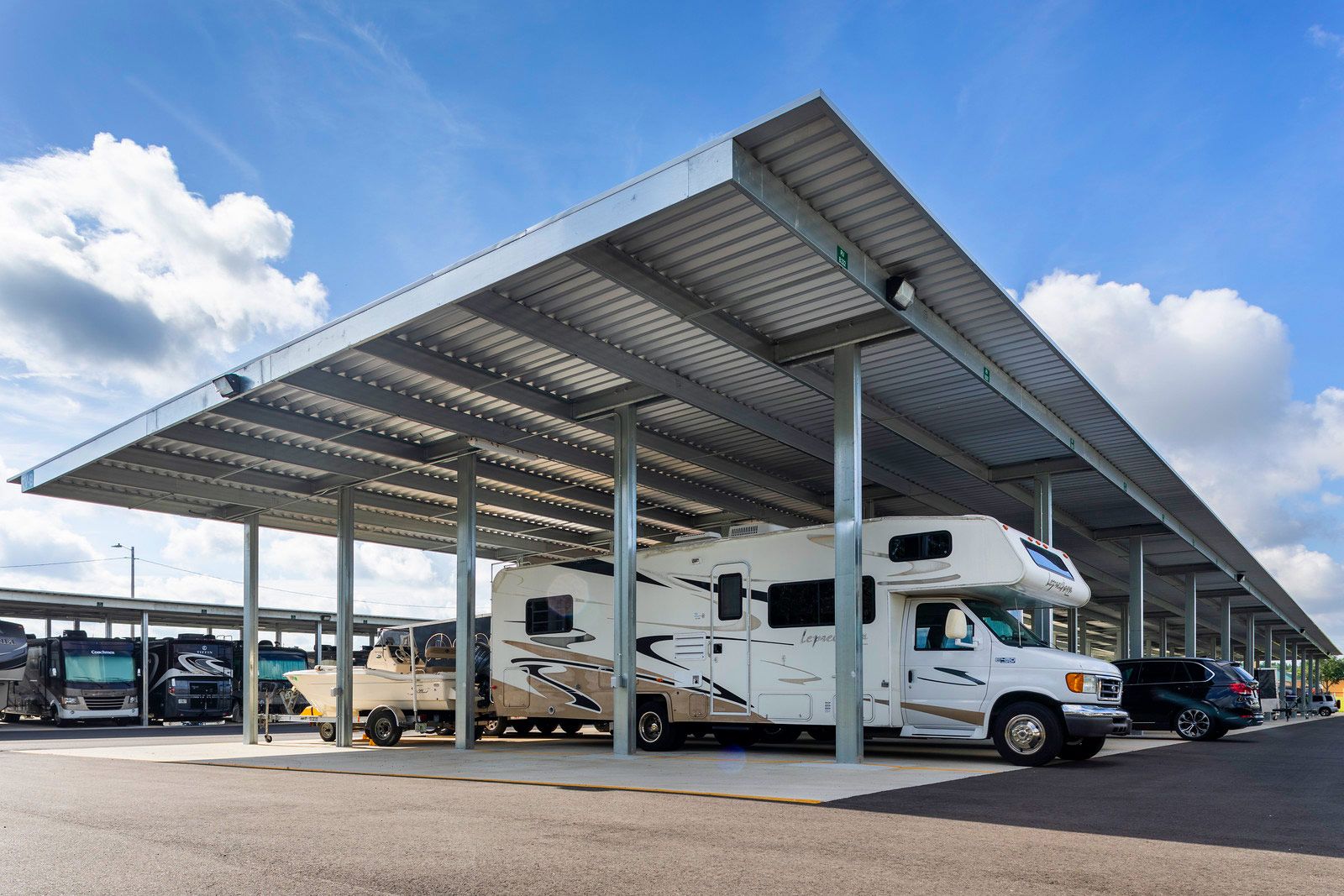
Covered: Protection from sun and hail. Good middle ground for most vehicles.
Indoor: Full protection from elements. Best for valuable vehicles or long-term storage.
Regional Weather Considerations
In the Atlanta Metro:
- Hail (2-4 events per year, usually spring)
- Summer heat (damages interiors and paint over time)
- Thunderstorms (debris, flooding risk in some areas)
- Humidity (promotes rust and mold)
Covered storage addresses hail and sun—the two biggest risks. Indoor storage addresses all of them.
The Oxford/East Metro Context
The I-20 corridor east of Atlanta (Conyers, Covington, Oxford) offers storage facilities at generally lower prices than inside-the-Perimeter options. But lower price doesn't mean lower safety—many facilities in this area are purpose-built for vehicle storage with appropriate security and environmental protection.
Location advantages:
- More space for well-designed facilities
- Often less urban density around facilities
- Highway access without city traffic
Things to verify:
- Same security standards as in-town facilities
- Appropriate storage options for your needs
- Well-maintained property despite lower-traffic location
Making the Decision
For Security Priority
Choose based on:
- Gate and access control quality
- Lighting and camera coverage
- Management responsiveness
- What other customers store there (high-value vehicles = good sign)
For Environmental Protection Priority
Choose based on:
- Covered or indoor availability
- Drainage and flooding history
- Tree proximity
- Overall property maintenance
For Both
Most people want both security and environmental protection. Evaluate facilities across both dimensions and find the best combination within your budget.
Oxford RV Storage Safety
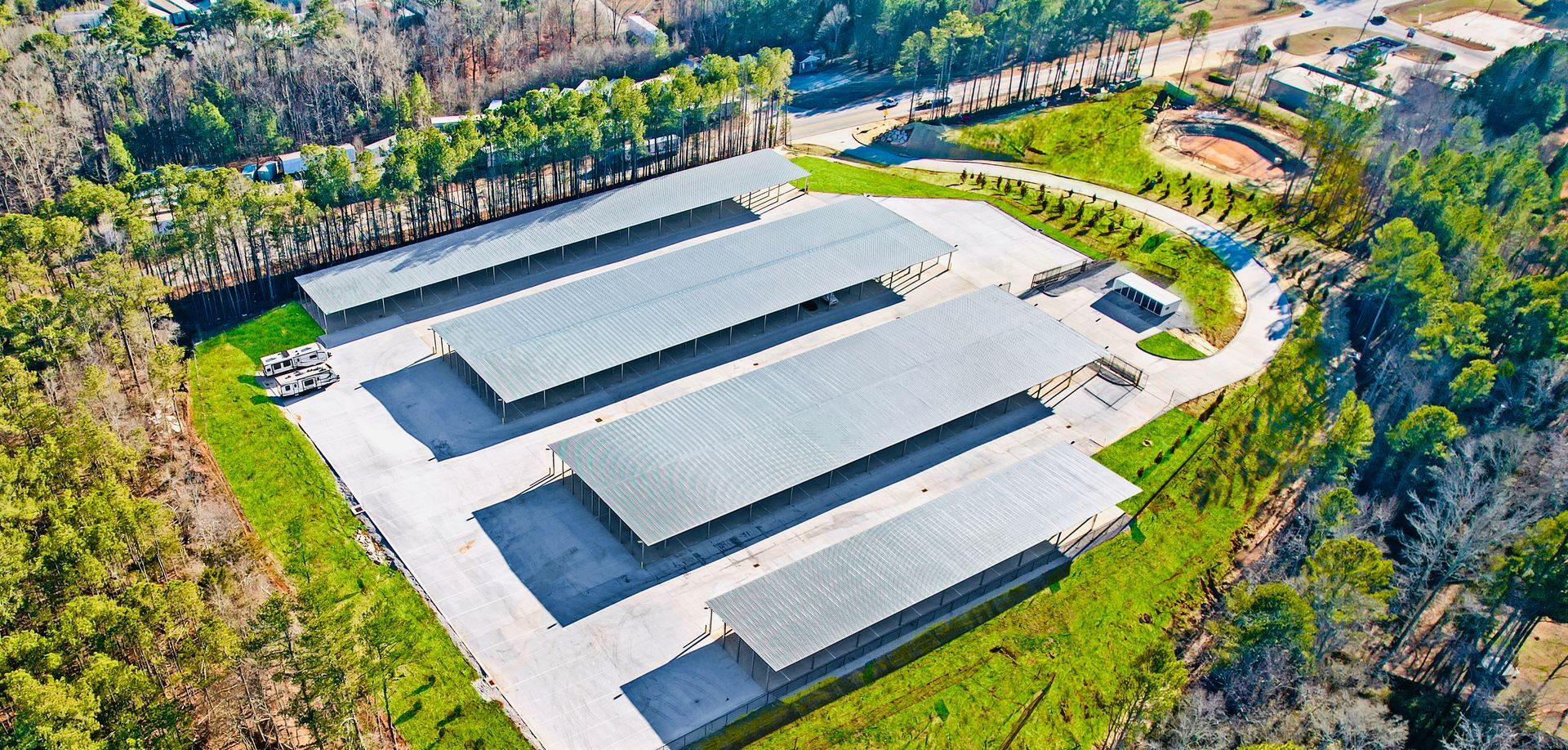
Oxford RV Storage offers gated access with individual credentials, lot lighting, and both outdoor and covered storage options. The facility is purpose-built for vehicle storage in a location with room for proper layout and access.
For specific questions about security measures or storage options, contact the facility directly. Visit in person to assess whether the facility meets your safety requirements.