Long-Term Exotic Car Storage Tips for Atlanta Owners
Exotic cars are designed to be driven, not stored. They have complex systems that want regular use, materials that need attention, and tolerances that don't forgive neglect. Long-term storage—six months or more without driving—requires specific preparation and maintenance that goes beyond what ordinary cars need.
The Challenges of Storing Exotics
Complex Fuel Systems
Modern exotics have sophisticated fuel injection, often with dry-sump systems and multiple fuel pumps. These systems don't handle stale fuel well.
Issues:
- Ethanol-blend fuel degrades within 30-60 days
- Fuel injectors can clog with varnish deposits
- Fuel pumps may develop issues from sitting
High-Performance Tires
Exotic car tires are:
- Expensive ($300-2,000+ each)
- Made with soft compounds that flat-spot easily
- Specifically designed for the car's performance envelope
Flat-spotted exotic tires often need replacement, not just driving out.
Low Ride Height
Many exotics have very low ground clearance:
- Suspension systems can settle unevenly
- Lift systems (if equipped) should be positioned appropriately
- Jack pad locations are specific and important
Exotic Materials
Carbon fiber, Alcantara, exotic leathers:
- Respond differently to heat and humidity
- May require specific care products
- Replacement costs are extreme
Electronic Systems
Complex infotainment, driver assistance, and performance systems:
- Draw parasitic current even when "off"
- May have specific wake/sleep cycles
- Can require recalibration after extended battery disconnection
Pre-Storage Preparation
Fuel
Best option: Fill with high-octane ethanol-free fuel if available, plus fuel stabilizer.
If ethanol-free unavailable: Premium fuel with quality stabilizer. For storage over 6 months, consider having fuel drained professionally.
Important: Run the car after adding stabilizer to circulate treated fuel through the system.
Battery
Options:
- Factory-recommended maintainer: Many exotic manufacturers specify particular battery tender models. Use what they recommend.
- Premium aftermarket maintainer: CTEK, Battery Tender Plus, or similar quality units designed for sophisticated vehicles.
- Disconnect (with caution): Some exotics have complex systems that don't recover gracefully from extended battery disconnection. Check your owner's manual or enthusiast forums.
Note: Some exotics have multiple batteries or battery locations. Know your car's specific setup.
Tires
Pressure: Set to manufacturer's specification or slightly higher (3-5 PSI above).
Flat-spot prevention options:
- Jack stands (place at factory lift points only)
- Tire cradles designed for storage
- Periodic rolling (if you can visit monthly)
For very long storage: Consider removing wheels and storing tires flat or on a rack, with the car on stands.
Fluids
Oil: Fresh oil before storage. Some exotic manufacturers recommend specific break-in or storage procedures—check your manual.
Coolant: Verify proper mixture and condition.
Brake fluid: Check age and condition. Hygroscopic (absorbs water) and should be fresh.
Other fluids: Transmission, differential, hydraulic systems—verify levels and consider fresh fluid if due.
Brakes
Position: Don't leave parking brake engaged for long-term storage—it can bond.
Alternative: Use wheel chocks or leave in gear.
Calipers: Some owners push pistons back slightly to prevent rotor bonding, but this is advanced procedure.
Exhaust
Catalytic converters and exotic exhaust systems have specific concerns:
- Moisture accumulation can cause corrosion
- Ensure full operating temperature run before storage
- Some owners block exhaust tips (rodent prevention)
Storage Environment
Climate Control Priority
For exotics, climate-controlled storage is strongly recommended:
- Temperature stability prevents material stress
- Humidity control prevents corrosion and material degradation
- The cost is proportional to what you're protecting
If Climate Control Isn't Available
At minimum:
- Fully enclosed indoor storage
- Moisture absorbers throughout the car
- Breathable car cover (not plastic)
- Periodic checks and dehumidifier in space if possible
Security Requirements
Exotics attract targeted theft. Storage needs:
- Limited access (who knows the car is there?)
- Quality facility with proper security
- Discretion (don't advertise what's stored)
During Storage
Monthly (If Possible)
- Visual inspection of the car and storage space
- Battery maintainer check
- Tire pressure check
- Look for any leaks, pests, or issues
- Check moisture absorbers
Every 2-3 Months
- Start the car and bring to full operating temperature (if practical)
- Cycle all systems (HVAC, electronics, convertible top if applicable)
- Move the car slightly to change tire contact points
- More thorough inspection
Starting consideration: Some experts advise against periodic starting if you can't run the car long enough to burn off all moisture (20-30+ minutes). Partial warm-ups can do more harm than good.
Every 6 Months
- Professional inspection if you're not technically comfortable
- Consider taking the car out for actual driving
- Detailed condition documentation
Pre-Driving Preparation
Before taking an exotic out of long-term storage:
Essential Checks
- Battery: Verify full charge and proper voltage
- Tire pressure: Check and adjust all four
- Tire condition: Look for flat spots, cracking, or damage
- Fluid levels: All of them
- Under-car inspection: Look for leaks, damage, or pest evidence
- Brake feel: Pump brakes before moving; test at low speed first
- Warning lights: Note anything that appears at startup
First Drive Protocol
- Warm up fully before any spirited driving
- Take it easy for the first 10-15 minutes
- Listen for unusual sounds
- Feel for unusual vibrations (flat spots, brake issues)
- Monitor gauges closely
- Test all systems (brakes, suspension modes, electronics)
Post-First-Drive
After the first drive:
- Inspect under the car for any new leaks
- Note any concerns for follow-up
- Consider a professional inspection if you have any doubts
Oxford RV Storage for Exotics
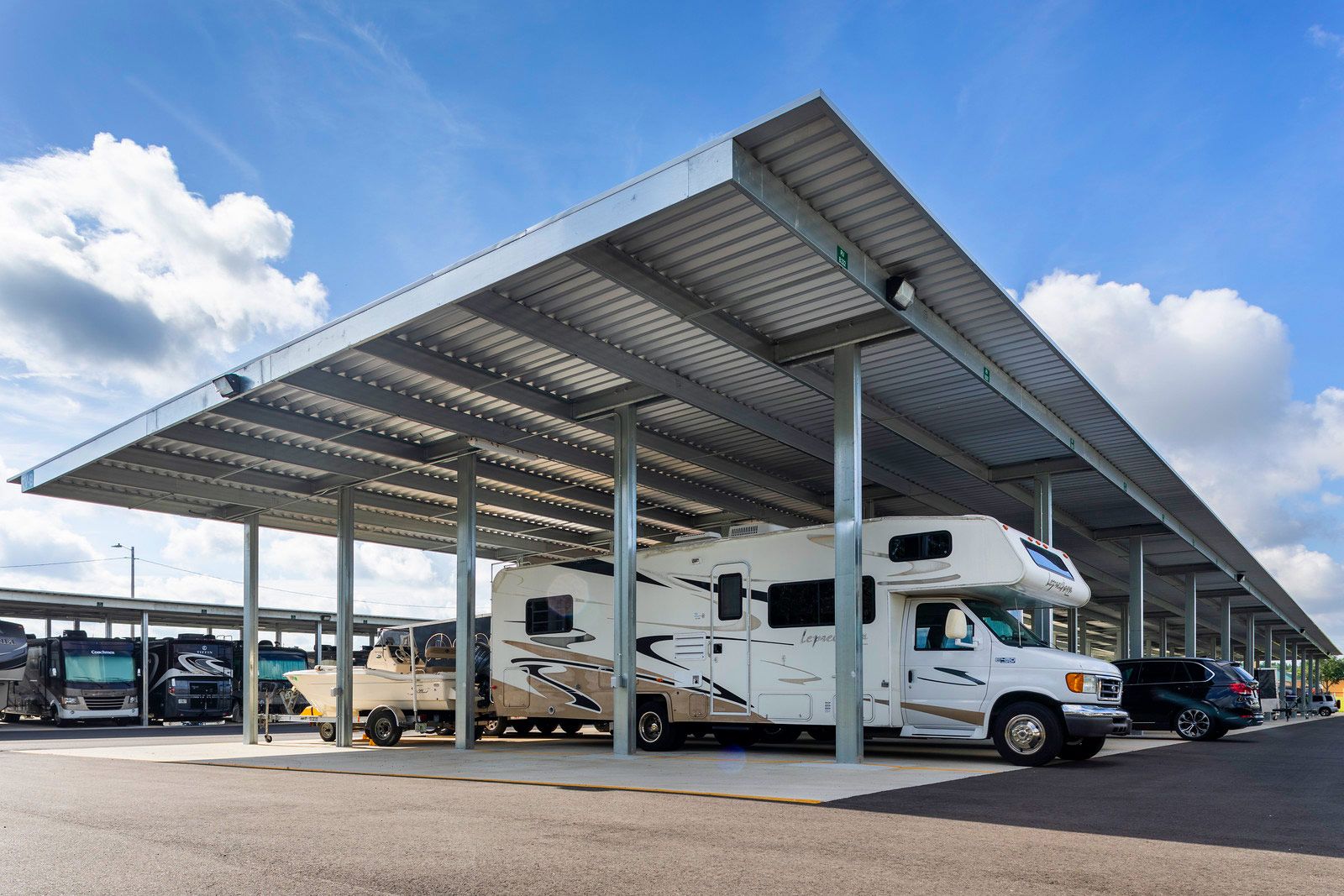
Oxford RV Storage offers covered storage that can accommodate exotic cars. For exotic car owners who handle their own preparation and maintenance, covered storage provides protection from UV and hail at moderate cost.
For exotics requiring climate control and hands-off storage, dedicated collector car facilities in the Atlanta area are more appropriate. Oxford RV Storage serves exotic owners who are hands-on and comfortable with the preparation and maintenance requirements, or as an interim solution while arranging premium storage.