How to Pick the Best Storage Facility for Your Vehicle in Georgia
Picking the right storage facility isn't complicated, but most people approach it wrong. They search for the cheapest option, look at a website photo, and hope for the best. A methodical approach—understanding your needs, evaluating options properly, and visiting before committing—leads to better outcomes.
Step 1: Define Your Requirements
Before comparing facilities, clarify what you need:
What Are You Storing?
Standard car: Most facilities work fine. Focus on security and value.
Luxury or collector car: Security and protection matter more. Consider covered or indoor.
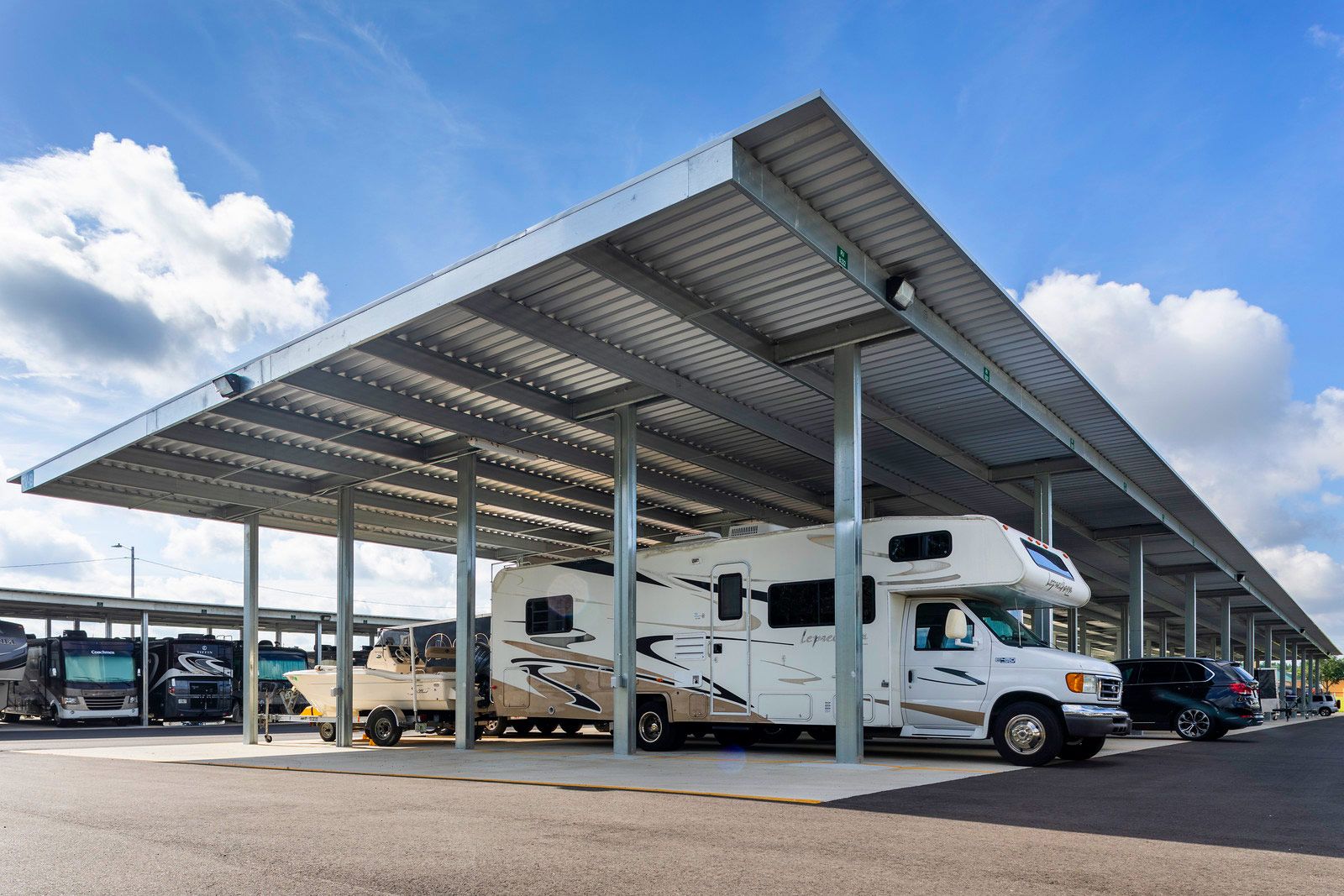
RV or motorhome: Need appropriate space, maneuvering room, and height clearance.
Boat on trailer: Need trailer-friendly access, possibly covered storage for UV/weather protection.
Work vehicle/trailer: Early access, security for tools, possibly multiple vehicles.
How Long?
Short-term (under 3 months): Convenience matters more than perfect pricing. Month-to-month flexibility is important.
Medium-term (3-12 months): Balance of cost, convenience, and protection. Seasonal considerations apply.
Long-term (1+ years): Cost compounds. Quality matters. Covered/indoor storage becomes more valuable.
How Often Will You Access?
Frequently (weekly): Convenient location is priority. Access hours matter.
Occasionally (monthly): Distance can be traded for value. Access hours still matter.
Rarely (long-term storage): Cost and protection prioritized over convenience.
What's Your Budget?
Georgia vehicle storage typically runs:
- Outdoor: $50-150/month
- Covered: $75-200/month
- Indoor: $150-400/month
Know your range before shopping.
Step 2: Identify Candidates
Where to Search
Online: "Vehicle storage [your area]" or "RV storage [your area]"
Google Maps: See facility locations, check satellite view for layout and condition
Referrals: Ask friends, car clubs, or online communities for recommendations
RV/Boat dealers: Often know storage options in the area
Geographic Strategy
Near home: Convenient access, but may be expensive in desirable areas
Near work/commute: Can combine visits with regular travel
Along travel routes: Makes sense for vehicles you take on trips
Outside expensive areas: Trade distance for cost savings
Step 3: Initial Screening
From the Website/Phone
Questions to ask:
- Do you have space for [your vehicle type/size]?
- What are your rates for [outdoor/covered/indoor]?
- What are your access hours?
- Is there a minimum rental period?
- What security do you have?
Red flags:
- Can't answer basic questions
- Won't provide pricing without commitment
- Pressure tactics
- Vague about security
Eliminate Poor Fits
Remove facilities that:
- Can't accommodate your vehicle
- Don't have the storage type you want
- Have hours that don't work for you
- Are clearly out of budget
Step 4: Visit in Person
This is essential. Websites show best angles on best days. Reality may differ.
What to Observe
First impression: Does it look maintained? Does it feel secure? Trust your instincts.
Fencing and perimeter:
- Complete and in good repair?
- Gate functions properly?
- No obvious entry points?
Lighting:
- Coverage throughout the lot?
- Working fixtures?
- Dark corners or blind spots?
Ground conditions:
- Gravel, asphalt, or concrete in good condition?
- Evidence of flooding or drainage issues?
- Level and stable?
Other vehicles:
- Well-maintained vehicles (suggests responsible clientele)?
- Valuable RVs and boats (suggests owners trust the facility)?
- Abandoned or project vehicles (suggests lax management)?
Space you'd be renting:
- Can you actually fit your vehicle?
- Can you maneuver in and out?
- Any specific concerns?
Questions to Ask On-Site
Security:
- "What security measures do you have?"
- "Have you had break-ins? How were they handled?"
- "Is access controlled by individual codes?"
Operations:
- "What are your actual access hours?"
- "What's the process if I need after-hours access?"
- "What notice do you need if I'm leaving?"
History:
- "Has the facility flooded?"
- "How long have you been operating?"
Step 5: Compare Realistically
Cost Comparison
Get actual quotes including:
- Monthly rate
- Admin/setup fees
- Deposit requirements
- Insurance requirements
- Any other fees
A "$75/month" facility with $50 setup and $20/month required insurance is actually $95/month.
Feature Comparison
Create a simple comparison matrix for your top candidates:
| Factor | Facility A | Facility B | Facility C | |--------|-----------|-----------|-----------| | Monthly cost | | | | | Distance from home | | | | | Storage type | | | | | Access hours | | | | | Security impression | | | | | Ground conditions | | | | | Other vehicles | | | |
Value Assessment
The cheapest option isn't automatically the best value. Consider:
- Time cost of traveling to distant facilities
- Risk cost of poor security
- Peace of mind from knowing your vehicle is well-protected
Step 6: Make the Decision
Trust Your Visit
If something felt wrong during your visit, don't rationalize it away. Your instincts about facility quality are usually accurate.
Match to Your Priorities
- Security-focused: Choose based on access control, lighting, and overall security impression
- Budget-focused: Choose the clean, functional, cheaper option
- Convenience-focused: Choose the location that fits your life
Start Short-Term When Possible
If available, start month-to-month. Test the facility before committing to long-term contracts.
Common Mistakes
Choosing on price alone: One theft or flood can cost more than years of savings.
Not visiting: Photos don't show reality.
Ignoring access hours: Discovering restrictions after you need early access is frustrating.
Committing too long: Situations change. Keep flexibility when possible.
Forgetting about drainage: Flooding causes expensive damage.
Oxford RV Storage
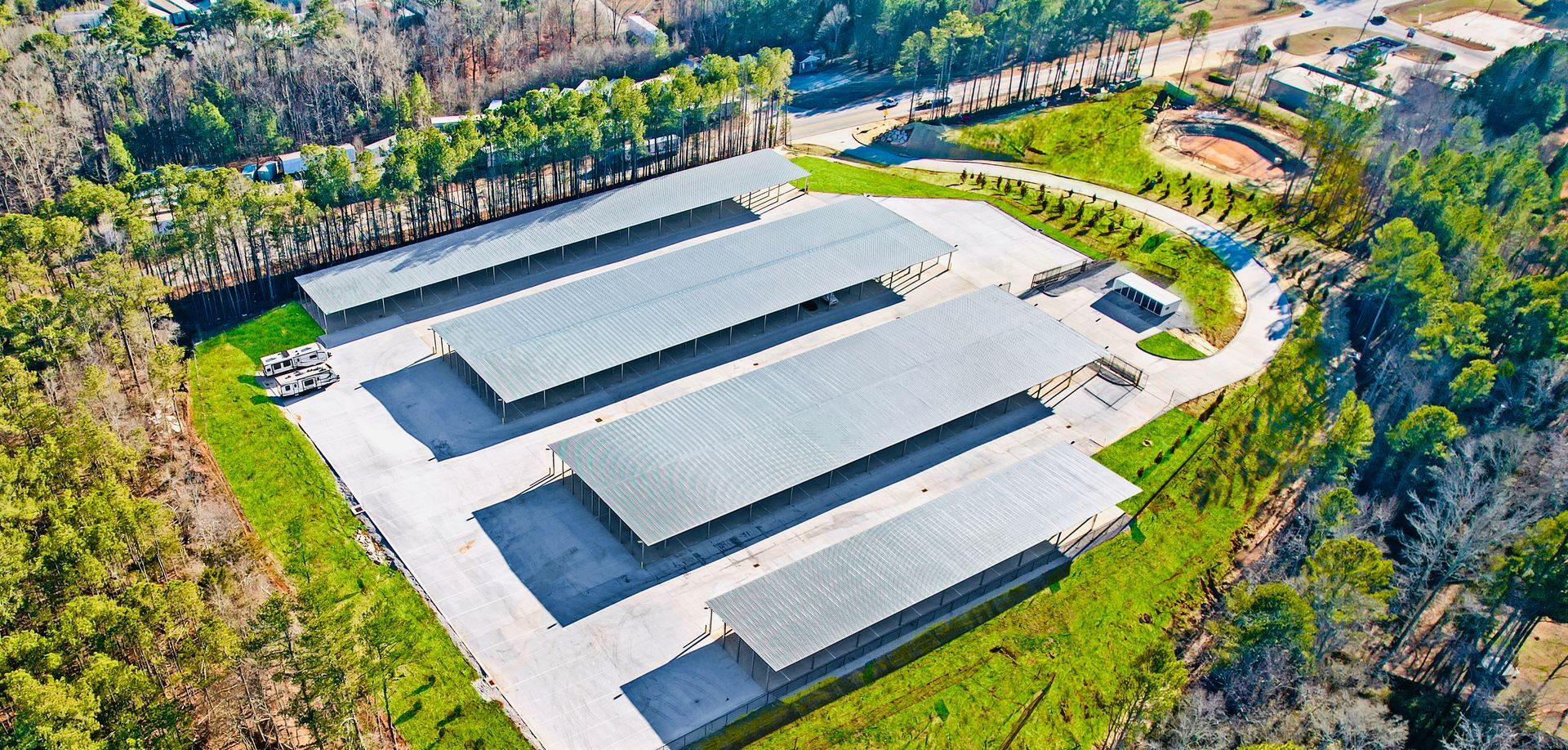
Oxford RV Storage is one option in the Georgia storage landscape, located along I-20 east of Atlanta. Use the evaluation approach above to compare it against other facilities you're considering.
Visit, assess, and make an informed decision based on your specific needs.