How to Avoid Damage When Storing Cars Outdoors
Outdoor storage is the most affordable option, and for many vehicles it's perfectly appropriate. But "outdoor" in Georgia means exposure to intense summer sun, spring hail, humidity, and occasional severe weather. The goal isn't to eliminate these factors—that requires indoor storage—but to minimize their impact.
The Damage Mechanisms
Understanding what causes damage helps you prioritize protective measures:
UV Radiation (Constant, Cumulative)
The sun does the most damage over time. UV degrades:
- Paint (oxidation, fading)
- Clear coat (clouding, peeling)
- Plastic trim (fading, cracking)
- Rubber seals (hardening, shrinking)
- Interior materials (dashboard, seats)
Key insight: UV damage is cumulative. Two years of outdoor storage causes more than twice as much damage as one year. The degradation accelerates.
Heat (Daily Cycling)
Georgia summers mean 8-10 hours per day of extreme interior temperatures (140-170°F). This:
- Stresses interior plastics
- Ages electronics
- Degrades fluids
- Accelerates other damage mechanisms
Moisture and Humidity (Constant)
Even without rain, Georgia humidity promotes:
- Surface rust on bare metal
- Mold and mildew inside
- Corrosion of electrical connections
Precipitation and Weather Events
Rain itself is relatively benign to properly painted cars. The concerns are:
- Hail (2-4 events per year in Atlanta area)
- Flooding (if drainage is poor)
- Storm debris
Environmental Contaminants
Tree debris, bird droppings, pollen, and industrial fallout. These damage paint if left to sit.
Protection Strategies
Tier 1: The Basics (Do These Always)
Quality car cover
The single most effective protection for outdoor storage. A good cover:
- Blocks UV completely
- Reduces temperature inside the car
- Protects from bird droppings and tree debris
- Provides some hail cushioning (not full protection)
What to spend: $100-250 for a quality cover. Cheap covers trap moisture, flap in wind (causing scratches), and degrade quickly.
What to look for:
- Multi-layer breathable fabric
- Custom or semi-custom fit
- Mirror pockets and antenna accommodation
- Secure attachment (elastic hem, straps, or lock grommets)
- UV-stabilized outer layer
Reflective windshield shade
Even under a cover, a reflective shade provides additional protection for the dashboard—the most vulnerable interior component.
Cost: $20-40
Tier 2: Additional Protection (Highly Recommended)
Tire covers
UV destroys tires faster than mileage does. Tire covers block UV and help tires last.
Cost: $30-80 for a set of four
Battery management
Disconnect the battery or use a solar-powered maintainer. Dead batteries lead to premature replacement.
Cost: $30-50 for a solar maintainer
Interior moisture management
Place moisture-absorbing products (DampRid or similar) inside to combat humidity.
Cost: $10-20, replace periodically
Tier 3: Thorough Protection (For Valuable Vehicles)
Paint sealant before storage
A quality sealant or ceramic coating adds UV protection beyond the factory clear coat.
Cost: DIY sealant $30-50; professional ceramic coating $500-1,500
Proper fluid preparation
Fresh oil, full gas tank with stabilizer, coolant at proper mixture. These help the car survive storage.
Cost: Varies based on what's due
Thorough cleaning
Wash, clay bar, and polish before storage. Contaminants trapped under a cover accelerate damage.
Cost: DIY materials $50-100; professional detail $150-300
What You Can't Prevent
Be realistic about outdoor storage limitations:
Major hail: A quality cover provides some cushioning, but a severe hailstorm can still cause damage. Covered storage eliminates this risk; outdoor storage doesn't.
Long-term paint fade: Even with covers, years of outdoor storage will show on paint. Covers slow the process significantly but don't stop it.
Extreme heat inside: A covered car still gets hot in summer—just not as hot. Heat damage is reduced, not eliminated.
Random events: Fallen trees, vandalism, flooding. These are facility and location risks, not something your preparation can address.
The Monthly Routine
If you can visit your stored car monthly:
- Remove the cover and inspect
- Check for any damage, leaks, or pest intrusion
- Check tire pressure (heat causes fluctuation)
- Start the engine and run for 10-15 minutes (debatable—some experts recommend not starting)
- Move the car a few feet to change tire contact points
- Replace moisture absorbers if needed
- Re-cover properly
If you can't visit monthly, focus on thorough preparation before storage and accept some additional uncertainty.
When Outdoor Storage Makes Sense
Outdoor storage with proper protection is appropriate when:
- Your vehicle's value doesn't justify indoor storage premiums
- You're storing a daily driver, not a collectible
- You're storing short-to-medium term (under 2 years)
- You're diligent about preparation and periodic checks
Outdoor storage is risky when:
- You have a high-value or collectible vehicle
- You're storing for many years
- You're not willing to do proper preparation
- Hail damage would be catastrophic (no insurance or high deductible)
Oxford RV Storage
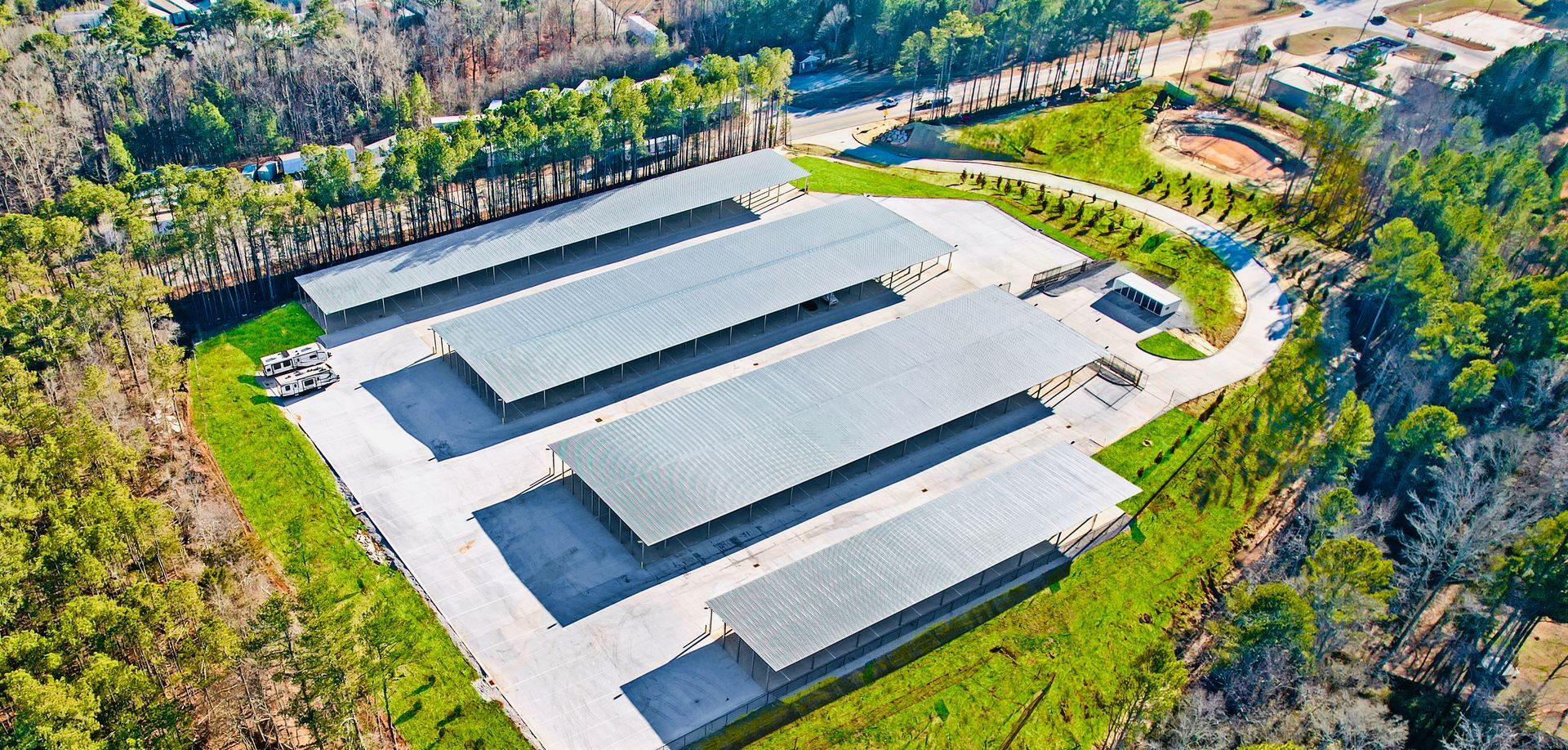
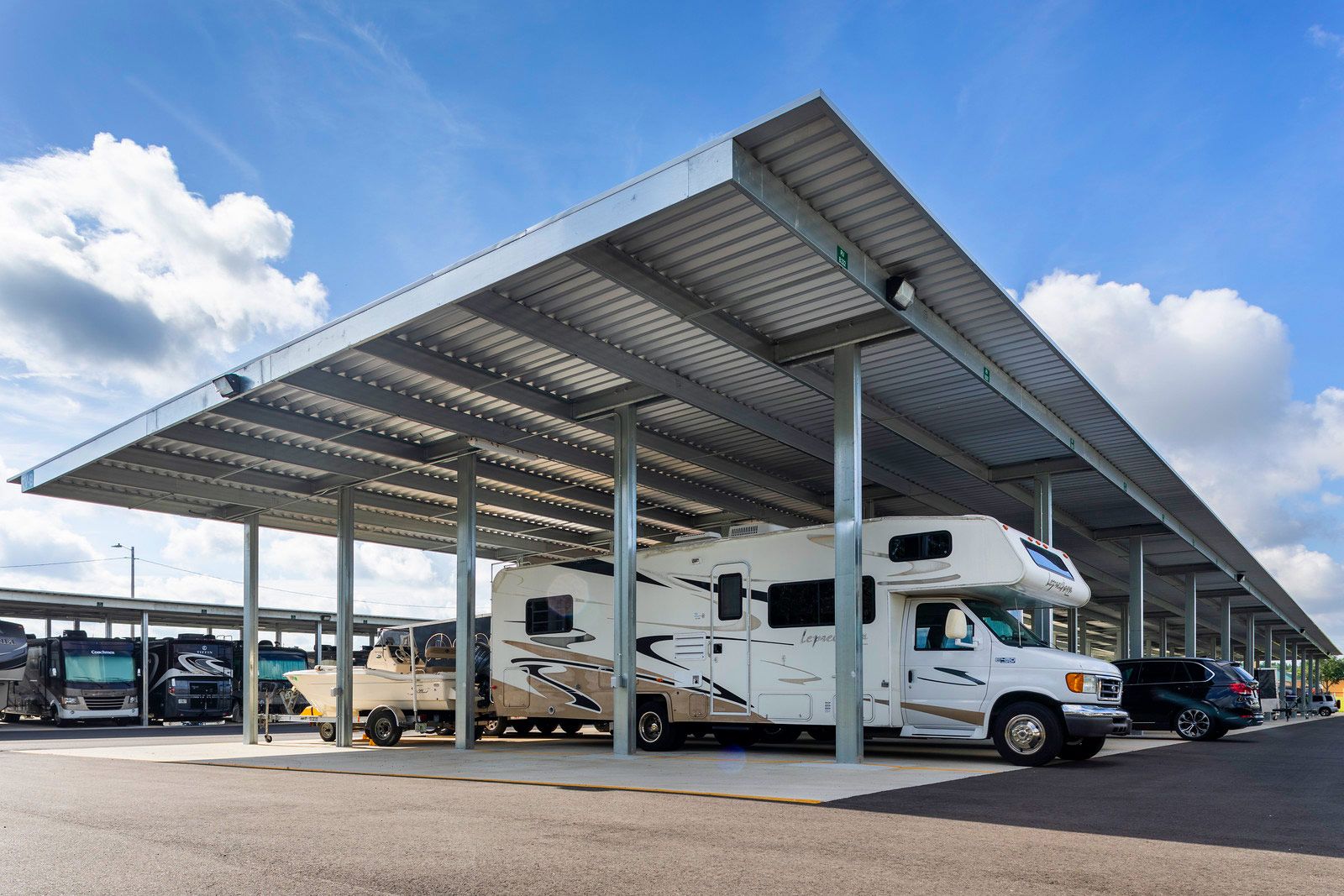
Oxford RV Storage offers both outdoor and covered storage options. For cars where outdoor storage is appropriate, the facility provides the gated security and proper environment; the preparation and protection measures are your responsibility.
Covered storage at Oxford eliminates direct UV and hail exposure—the two biggest outdoor risks—at a moderate premium over uncovered spaces.