Climate-Controlled Car Storage in Atlanta, What to Know
Climate-controlled car storage is the premium tier of vehicle storage—and the most misunderstood. Many people conflate "indoor" with "climate-controlled," but they're not the same thing. Understanding what you're actually paying for helps determine whether the significant cost premium is justified for your vehicle.
What Climate Control Actually Means
True climate-controlled storage maintains:
Temperature: Typically 55-75°F year-round. This prevents the extreme heat of Georgia summers (140°F+ inside a car in the sun) and occasional cold snaps.
Humidity: Controlled below 50% relative humidity. This is actually more important than temperature for long-term vehicle preservation.
The combination protects against:
- Interior material degradation from heat cycling
- Rubber and seal deterioration
- Electronics stress
- Mold and mildew from humidity
- Condensation and associated corrosion
What Climate Control Is NOT
Regular indoor storage: A metal building that keeps rain out but gets hot in summer and cold in winter. This is enclosed storage, not climate-controlled.
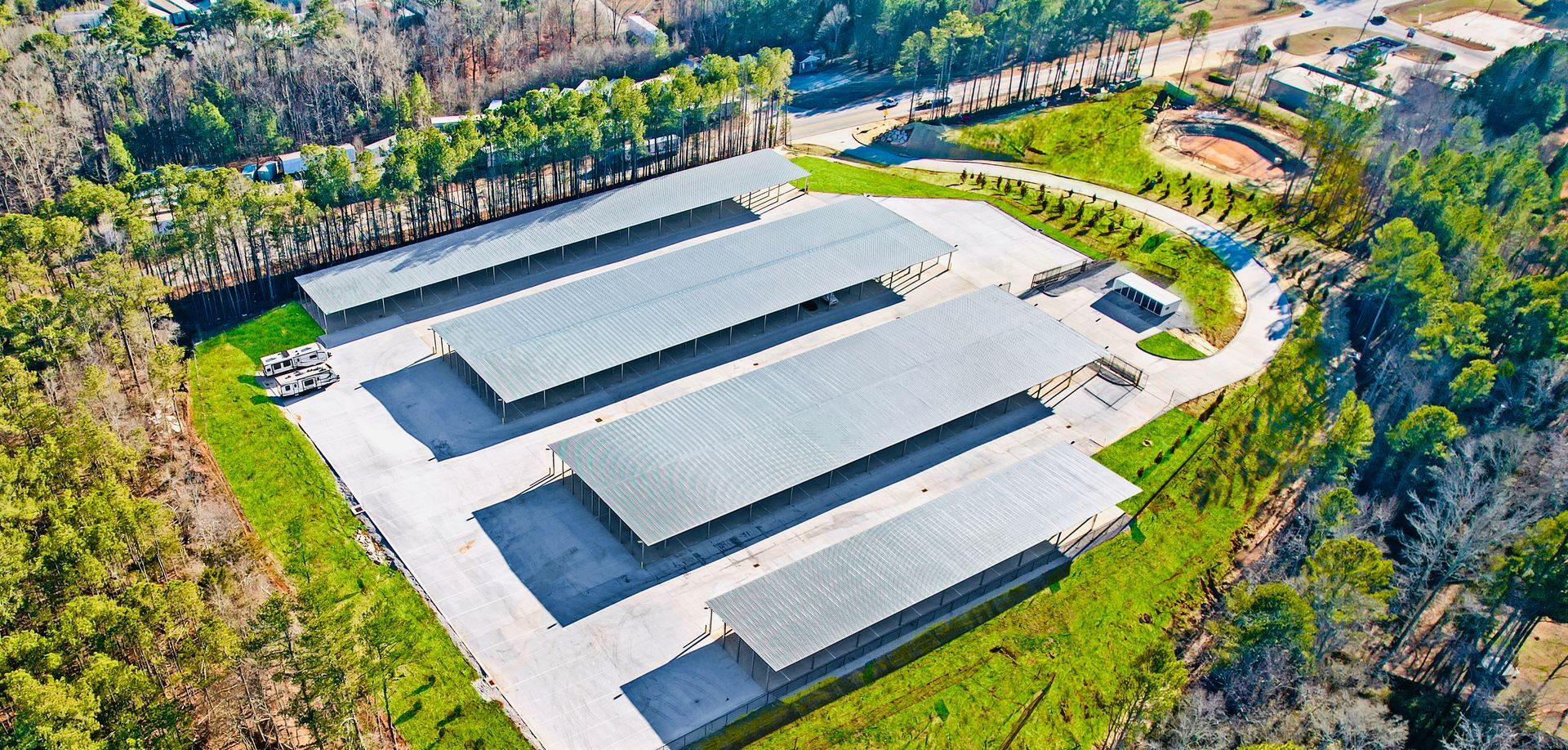
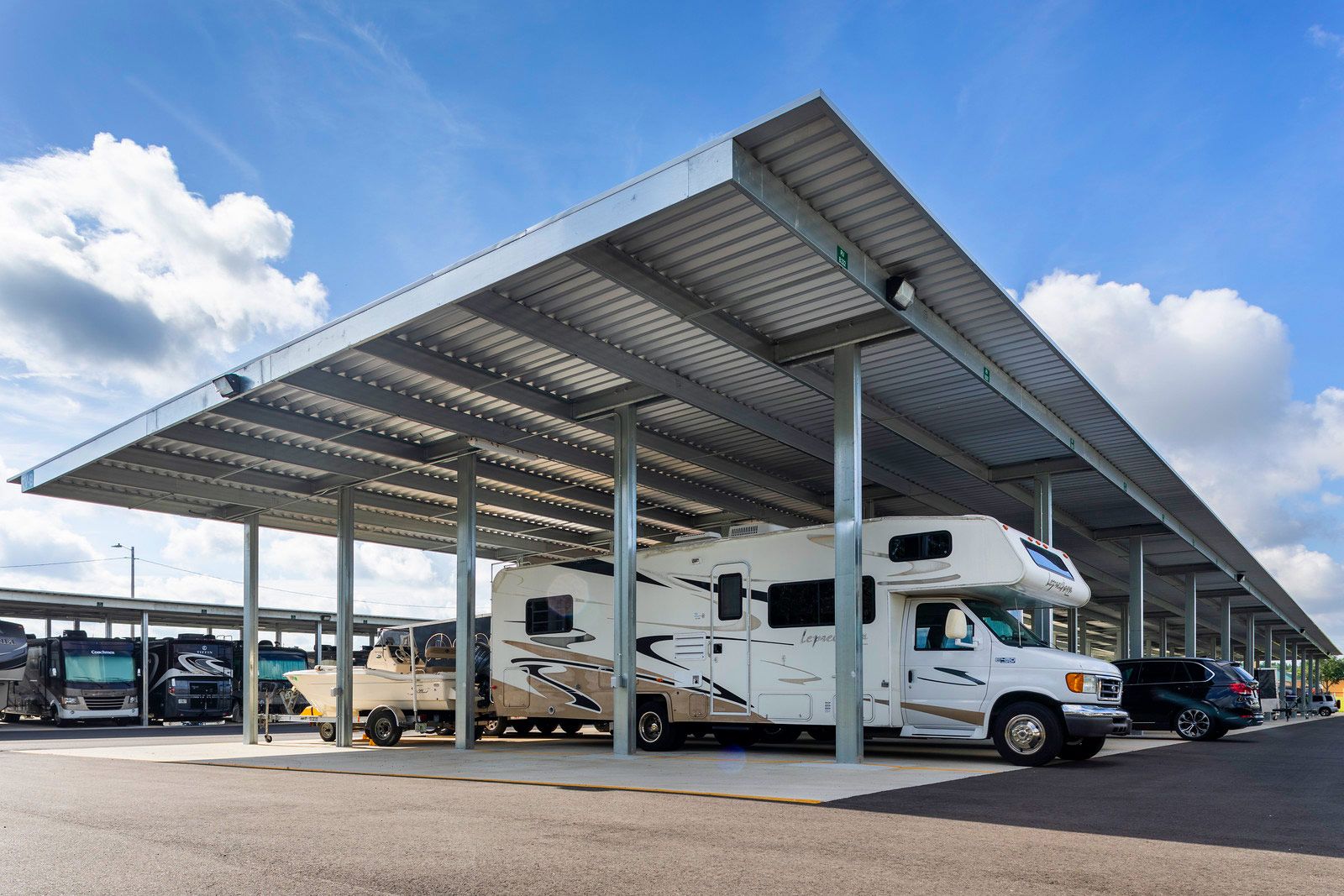
Covered storage: A roof overhead with open sides. Definitely not climate-controlled.
"Heated" storage: Some facilities heat buildings in winter but don't cool them in summer. This is partial climate control at best.
If a facility advertises "climate-controlled," ask specifically:
- What temperature range do you maintain?
- Is humidity controlled?
- Is there both heating AND cooling?
Vague answers suggest it's not truly climate-controlled.
What It Costs
True climate-controlled car storage in the Atlanta Metro typically runs $200-500/month for a standard car space. Compare that to:
- Outdoor storage: $50-125/month
- Covered storage: $75-175/month
- Regular indoor storage: $150-300/month
Climate control adds roughly 50-100% to the cost of regular indoor storage. Over a year, that's $600-2,400 extra.
When Climate Control Is Worth It
Classic and Collector Cars
If your car is a collectible whose value depends heavily on condition, climate control protects that value. Original paint, interiors, and rubber components from the 1950s-1980s are particularly vulnerable to heat and humidity.
The math: A car worth $75,000 loses 10-15% of value from interior/paint deterioration. That's $7,500-11,250. Climate control at $300/month for 5 years costs $18,000. Break-even if climate control extends pristine condition by roughly 8-10 years.
Exotic and High-Value Vehicles
Ferraris, Lamborghinis, high-end Porsches—vehicles worth $150,000+ where maintaining showroom condition matters. Climate control becomes proportionally cheaper as vehicle value increases.
Vehicles with Sensitive Interiors
Custom leather, rare wood trim, period-correct cloth interiors. These materials deteriorate faster in heat and humidity than standard modern materials.
Very Long-Term Storage
If you're storing a vehicle for years (estate situations, military deployment to remote areas, long-term investment holds), the cumulative protection of climate control compounds.
When Climate Control Isn't Worth It
Modern Daily Drivers
A 2020 Toyota Camry is designed to survive parking lots in Arizona and Houston. It doesn't need climate control for storage. Good outdoor storage with a cover is entirely adequate.
Vehicles You Use Regularly
If you're taking the car out monthly, you're checking on it, starting it, and addressing any issues. The car isn't sitting long enough for climate to cause significant damage.
Budget-Constrained Situations
If $300/month for climate control means you can't afford storage at all, standard indoor or covered storage is vastly better than nothing.
Already-Weathered Vehicles
A car that's already spent 10 years as a daily driver has adapted to normal conditions. Putting it in climate control now doesn't reverse existing wear.
Finding Climate-Controlled Storage in Atlanta
True climate-controlled vehicle storage is relatively rare. Most facilities offering it specialize in:
- Collector car storage
- Exotic car storage
- High-security storage
These are often boutique operations rather than general storage facilities. Expect higher standards but also higher prices and often waitlists.
How to find them:
- Search "collector car storage Atlanta" rather than "climate-controlled car storage"
- Ask exotic car dealerships who they recommend
- Check with car clubs and collector communities
Alternatives to Climate Control
If full climate control isn't available or affordable, consider:
Quality indoor storage: Temperature swings but still protected from direct sun, rain, and UV. Much better than outdoor.
Covered storage with preparation: UV covers, battery maintainers, desiccants for moisture control. Addresses some of the same concerns at lower cost.
Strategic use: Climate control for summer months when heat is extreme; regular storage for winter.
Oxford RV Storage
Oxford RV Storage offers outdoor and covered storage for vehicles. It does not offer climate-controlled storage.
For most vehicles—including many valuable ones—the combination of covered storage and proper vehicle preparation provides adequate protection. True climate control is primarily necessary for high-value collectors and specific specialty vehicles.
If you need genuine climate-controlled storage for a valuable collectible, you'll likely need to look at specialty collector car facilities in the Atlanta area rather than general vehicle storage.