Winter Boat Storage Guide for Atlanta Residents
Georgia's winters are nothing like Minnesota's, which leads many Atlanta-area boat owners to skip winterization entirely. That's a mistake. While you don't need the aggressive prep required in hard-freeze states, Georgia's occasional sub-freezing temperatures can still crack blocks, destroy water pumps, and cause hundreds to thousands in damage if you're not prepared.
Understanding Georgia Winter
Atlanta's typical winter:
- Average low temperatures: 30-35°F
- Several nights per season dropping into the teens
- Occasional hard freezes lasting 2-3 days
- Extended cold snaps (multiple days below freezing) every 2-3 years
This means:
- Water in your boat's systems will freeze multiple times per winter
- Even in "mild" Georgia, a single forgotten freeze can destroy components
- You need freeze protection even if you don't need full northern winterization
What Needs Protection
Engine Cooling System
This is the critical one. Water sits in your engine's cooling passages. When it freezes, it expands and cracks the engine block.
Outboard motors: Raw water cooled. After flushing with fresh water, you must either drain all water from the powerhead or run RV antifreeze through the cooling system.
Inboard/sterndrive: Have both raw water and closed cooling systems. The raw water side needs antifreeze; the closed side needs proper antifreeze mix (typically good to -34°F from the factory, but check).
Jet drives: Similar to outboards—must be drained or flushed with antifreeze.
The process:
- Flush the engine with fresh water
- Attach "muffs" or use a fake-a-lake
- Run the engine with RV antifreeze being drawn through the system
- Continue until antifreeze exits the exhaust
- Alternatively, drain all water (but flushing with antifreeze is more thorough)
Fresh Water Systems
If your boat has a freshwater system (sink, shower, livewell tanks):
- Drain all tanks
- Run RV antifreeze through faucets until pink appears
- Drain water heater if equipped
- Add antifreeze to P-traps and drains
Sea Strainers and Through-Hulls
Often overlooked. Water sits in these areas and can freeze.
- Drain sea strainers
- Clear through-hull fittings
- Some owners pour antifreeze through to be safe
Bilge
Water accumulates in the bilge from various sources.
- Pump out the bilge completely
- Pour some antifreeze into the bilge to protect any remaining water
Fuel System Winterization
Stabilize the Fuel
Gasoline degrades over winter, especially ethanol blends (which draw moisture).
- Fill the tank 90-95% full (prevents condensation but leaves room for expansion)
- Add marine fuel stabilizer per instructions
- Run the engine to circulate treated fuel through the system
Carbureted Engines
If your boat has carburetors, either:
- Run the carbs dry (turn off fuel, run until engine dies)
- Drain carburetor bowls
This prevents gummed-up carbs in spring.
Fuel-Injected Engines
Stabilizer and circulation is usually sufficient.
Battery Care
Remove or Maintain
Options:
- Remove batteries, store indoors: Best protection. Use a maintainer.
- Leave in place with maintainer: Requires electrical access at storage.
- Disconnect and leave: Batteries will slowly discharge; may need charging in spring.
Why It Matters
Cold temperatures reduce battery capacity. A battery that sat discharged all winter often won't recover fully. Proper maintenance extends battery life by years.
Storage Location Options
On the Trailer at a Storage Facility
Most common for Atlanta boaters:
- Boat stays on its trailer
- Trailer parked at a storage facility
- Accessible when you want it
Pros: Flexible, affordable, boat is ready for spring Cons: Weather exposure unless covered, requires proper winterization
Dry Stack Marina Storage
If available at your marina:
- Boat stored in rack structure
- Protected from most weather
Pros: Better protection, no trailer needed Cons: Limited availability, higher cost, tied to one marina
Home Storage
If space and HOA allow:
- Keep the boat at home
- Easier to check and maintain
Pros: Free, convenient Cons: Takes up space, may not be allowed
Cover the Boat
A quality cover protects against:
- Debris accumulation
- UV damage (even in winter)
- Rain and moisture inside
- Critter intrusion
Cover options:
- Fitted canvas or vinyl cover with proper support
- Shrink wrap (professional installation, good protection, one-time use)
- Mooring cover (if your boat has one)
Critical: The cover must be supported to prevent water pooling. Pooled water tears covers and adds weight.
The "Georgia Gamble" Problem
Many Atlanta boaters skip winterization because "it doesn't get that cold." Then one cold snap hits, and they're replacing a cracked block or water pump.
The math:
- Basic winterization cost: $100-200 DIY, $200-400 professional
- Cracked engine block repair: $2,000-8,000+
- New water pump: $200-500+
Winterization is cheap insurance.
Spring De-Winterization
When you're ready to use the boat:
- Remove cover and inspect
- Check for any damage or pest intrusion
- Reinstall batteries
- Run fresh water through the antifreeze systems
- Refill cooling systems if drained
- Change oil and filter
- Check all fluid levels
- Test-run the engine before launching
Oxford RV Storage for Winter Boat Storage
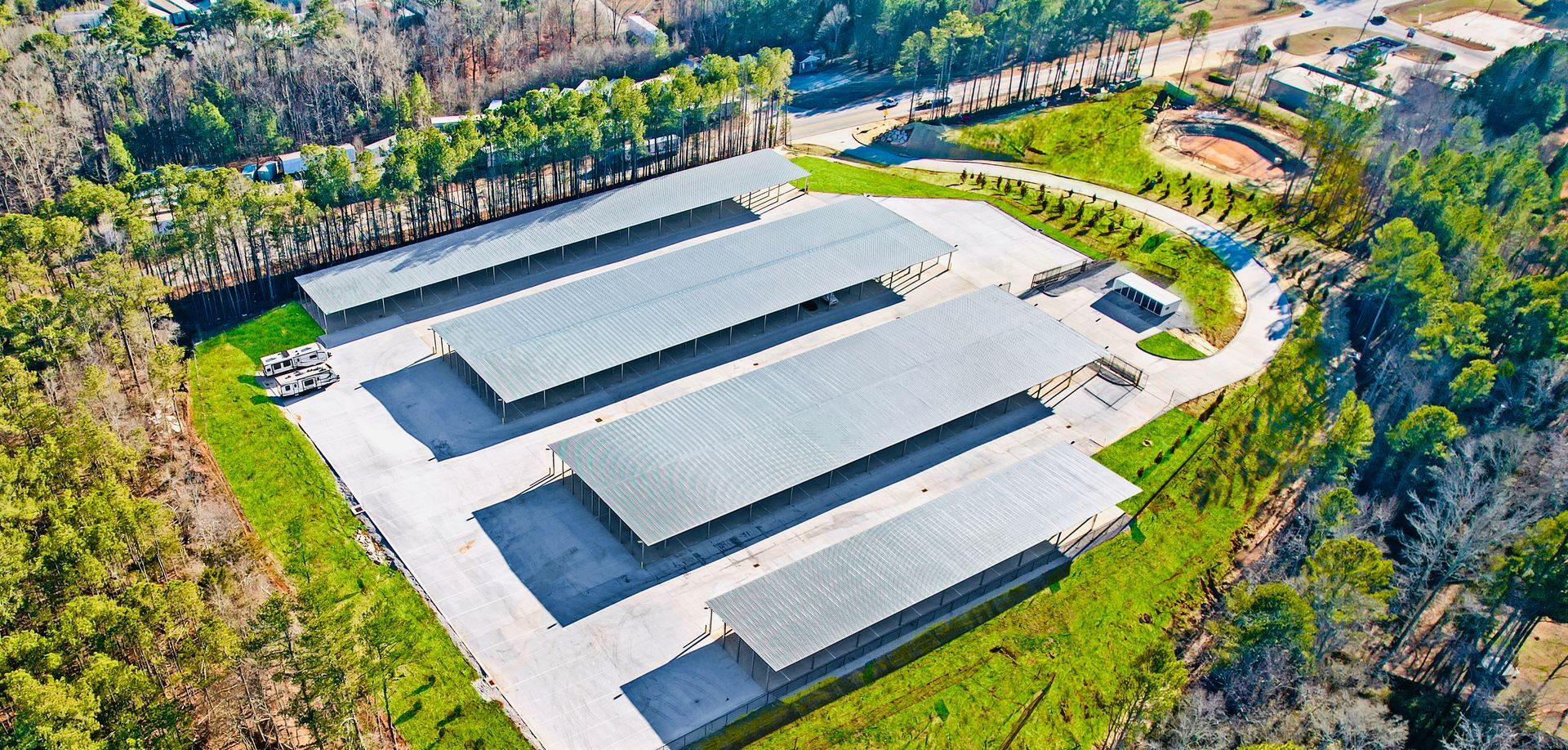
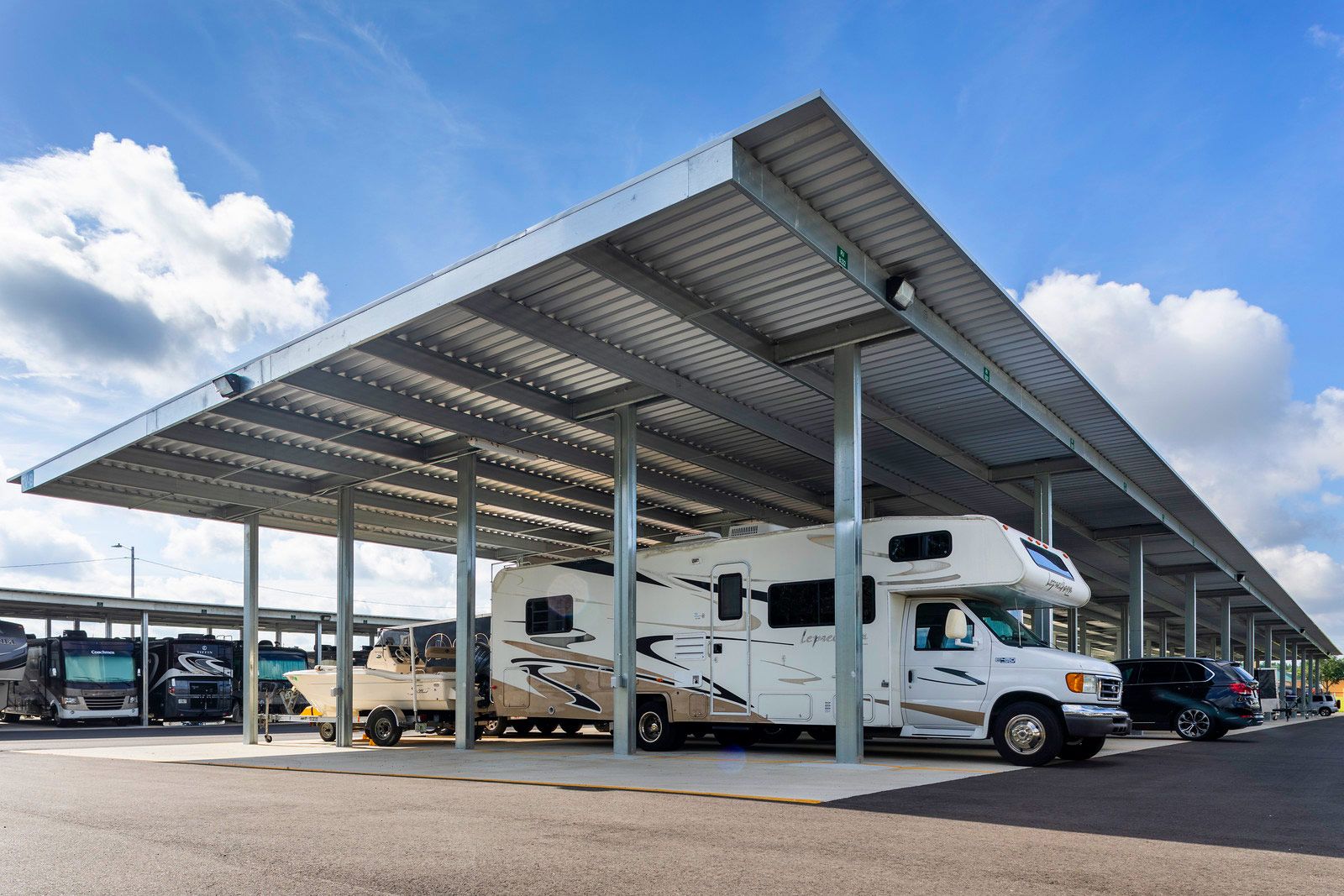
Oxford RV Storage accommodates boats on trailers for winter storage. The facility offers outdoor and covered options with gated access.
For boats stored through Georgia's winter, covered storage provides additional protection against debris and weather while your boat sits winterized. The facility is convenient for boaters who use Lake Oconee or other eastern Georgia waters.