Top RV Storage Mistakes to Avoid in Georgia
After years of seeing what happens to RVs in Georgia storage, certain mistakes show up repeatedly. These aren't theoretical risks—they're the actual problems that send owners to repair shops with four-figure bills. Avoiding them is straightforward once you know what to watch for.
Mistake #1: Storing Without Checking the Roof
The single most expensive storage mistake. A small roof leak that's invisible from the ground turns into delaminating walls, rotted subfloors, and mold damage over a storage season.
What happens: Water enters through a crack in sealant, a loose vent, or a compromised seam. It soaks into the wall cavity. You don't notice until months later when you see soft spots, water stains, or that distinctive mildew smell.
The cost: Minor roof repairs run $200-500. Water damage repairs from an unaddressed leak can hit $5,000-15,000+ depending on how far it spreads.
Prevention: Climb on the roof and inspect before every storage period. Check sealant around every penetration: vents, air conditioners, antennas, skylights. Reseal anything questionable. This takes 30 minutes and costs $20 in lap sealant.
Mistake #2: Ignoring Tire Protection
Tires are expensive and vulnerable. UV radiation destroys sidewalls faster than miles do, and Georgia sun is relentless.
What happens: UV degrades the rubber compounds in tire sidewalls. You see cracking, dry rot, and eventual structural failure. Flat spots develop from sitting in one position, especially in heat.
The cost: RV tires run $150-400+ each. A set of six can cost $1,500-2,500 installed.
Prevention: Cover tires with UV-resistant covers. Inflate 3-5 PSI above normal to reduce flat spotting. If storing for months, move the RV slightly every 4-6 weeks to change the tire's contact point.
Mistake #3: Skipping Winterization in "Mild" Georgia
Georgia's winters are mild compared to northern states. That comparison leads many owners to skip winterization entirely. Then a single hard freeze destroys their plumbing.
What happens: Water in pipes, the water heater, and the pump freezes, expands, and cracks components. One night below 20°F is enough.
The cost: Water pump: $50-150. Water heater: $200-600. Multiple cracked pipes: varies wildly. Emergency repairs while camping: whatever they charge.
Prevention: Winterize every fall if storing through winter. Full winterization with RV antifreeze costs $10-15 in materials. Drain-only approaches work in mild conditions but fail in hard freezes.
Mistake #4: Leaving the Battery Unmanaged
RV batteries die in storage. Always. The question is whether you planned for it.
What happens: Parasitic drain from RV systems depletes the battery over weeks. Once fully discharged, lead-acid batteries sulfate and lose capacity permanently. Repeat this enough and you're buying new batteries.
The cost: RV batteries run $100-300 each. Many RVs have 2-4 batteries.
Prevention: Either disconnect the battery or use a maintainer. If disconnecting, remove it entirely and store indoors if possible. Check water levels on flooded batteries before storage.
Mistake #5: Creating a Rodent Paradise
Mice and rats love RVs: protected shelter with lots of nooks and crannies. They move in during fall and winter storage and cause surprising damage.
What happens: Rodents nest in insulation, chew wiring, gnaw upholstery, and leave droppings everywhere. Wiring damage can be extensive and expensive to trace.
The cost: Cleaning and deodorizing: $200-500. Wiring repairs: $500-2,000+. Replacing chewed upholstery or insulation: varies.
Prevention: Remove all food—all of it, including sealed items. Seal any openings you can find. Use mothballs or electronic repellents (effectiveness varies). Check the RV monthly during storage for signs of entry.
Mistake #6: Storing With Dirty Holding Tanks
Nobody wants to deal with the black and gray tanks at the end of a trip. So they leave them partially full, intending to dump later. Then the RV sits in storage.
What happens: Waste in tanks causes odors, sensor damage, and potential seal failures over time. In winter, tank contents can freeze and crack the tank itself.
The cost: Tank sensors: $50-200. Tank replacement: $500-1,500. Professional cleaning for neglected tanks: $200-400.
Prevention: Empty tanks before storage. Every time. Run a tank cleaning treatment before the final dump of the season.
Mistake #7: Assuming the Facility Maintains Your RV
Some owners expect storage facilities to notify them of problems, check on their RVs, or perform basic maintenance. Virtually no standard storage facility does this.
What happens: Issues develop during storage—slow leaks, pest entry, tire damage—and compound over months. The owner assumes someone would have called if there was a problem.
The cost: Depends on what went wrong while nobody was watching.
Prevention: Understand that storage facilities provide space and security, not monitoring or maintenance. Check your RV at least monthly if possible, or accept that you're not addressing problems until you retrieve it.
Mistake #8: Cheap Storage That Costs More in Repairs
Some owners prioritize the lowest monthly rate without evaluating the facility. The money saved on rent gets spent on damage caused by poor drainage, lack of security, or inadequate space.
What happens: Flooding damages stored vehicles. Theft occurs due to poor security. Tight spaces cause scrapes entering/exiting.
The cost: Highly variable, but a single incident often exceeds years of savings from cheap storage.
Prevention: Visit facilities before choosing. Check drainage after rain. Assess security realistically. Confirm you can actually maneuver your RV safely.
Oxford RV Storage
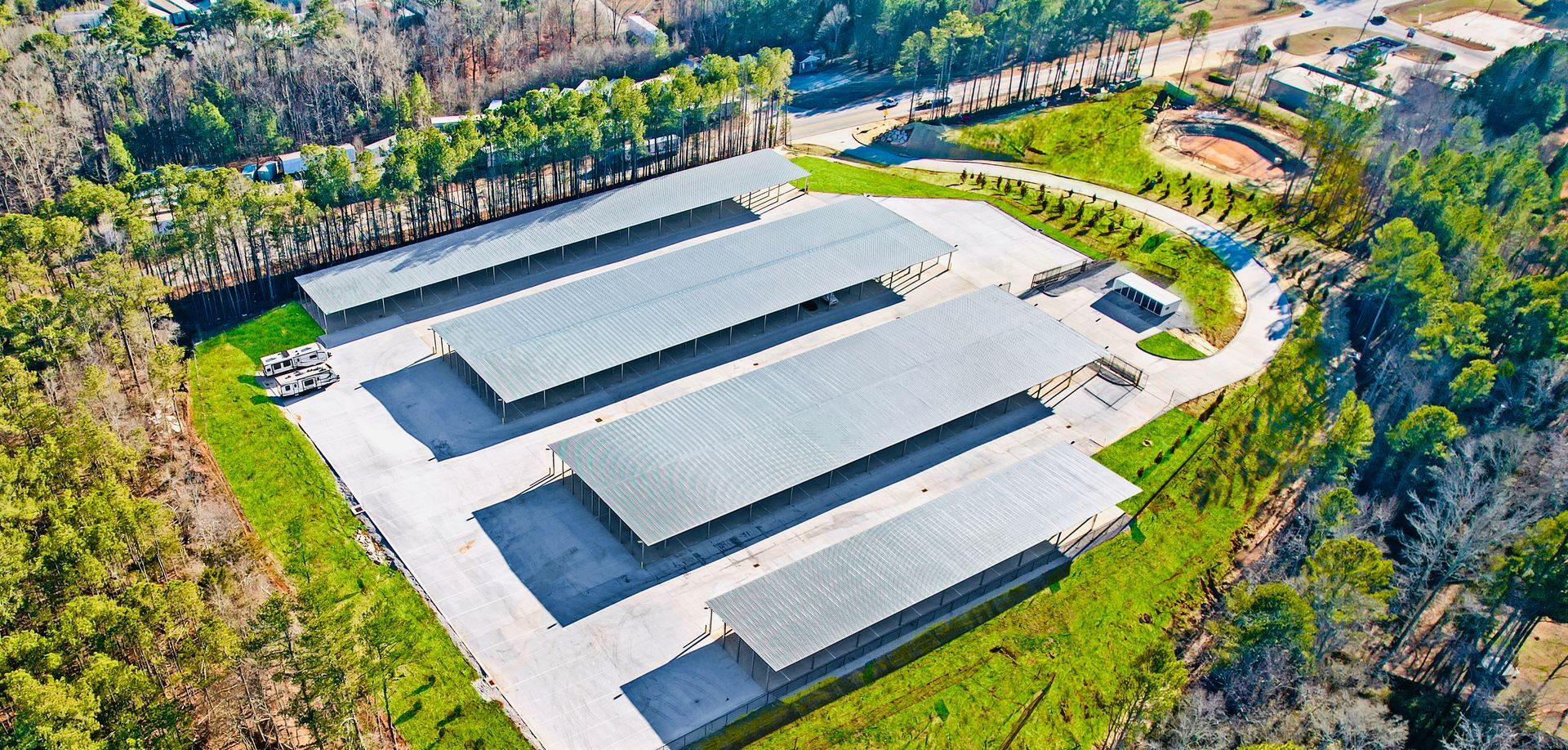
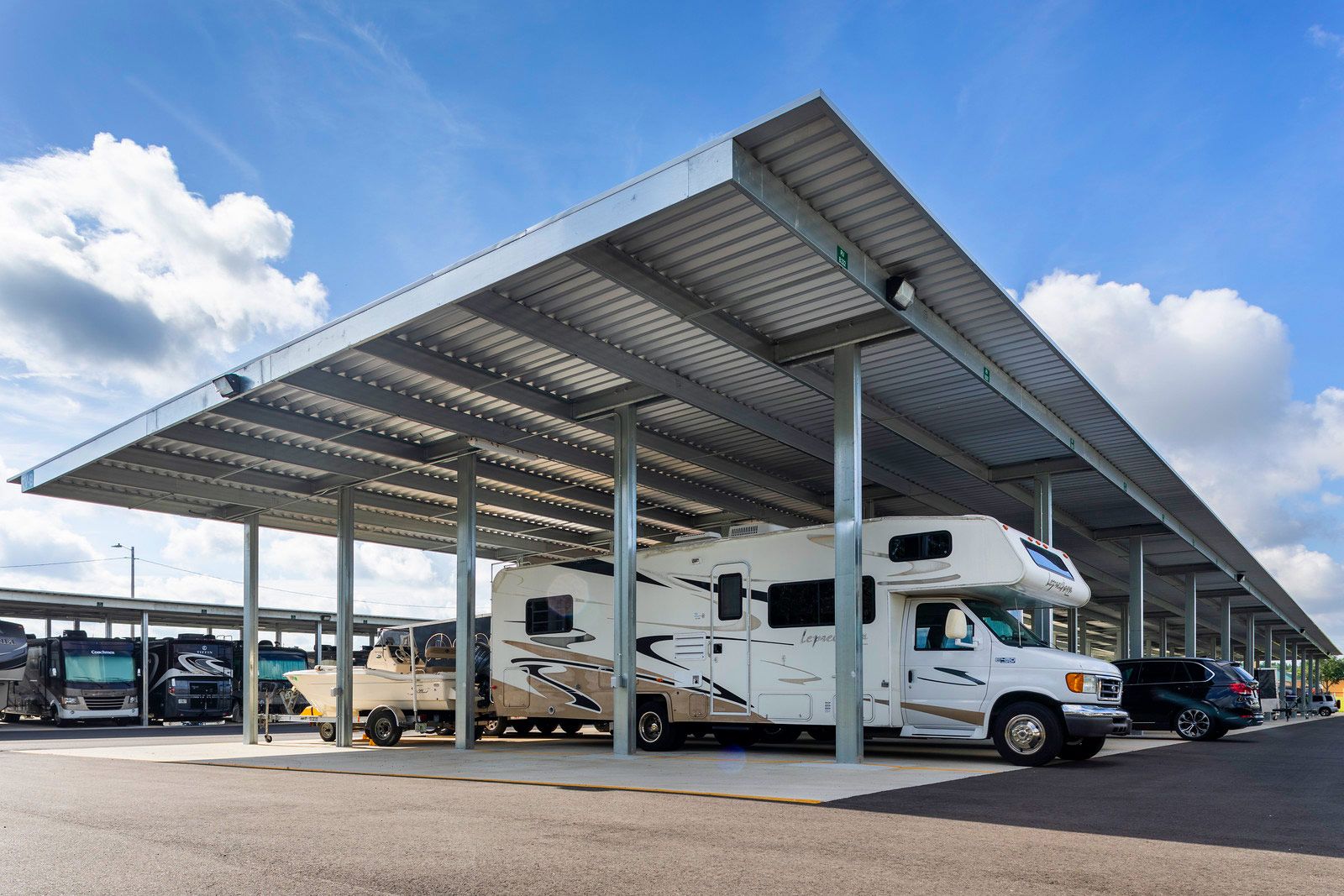
Oxford RV Storage provides a baseline of what proper storage should offer: gated access, adequate space for larger vehicles, lighting, and professional management. It's located in Oxford, GA on the east side of the Atlanta Metro.
The facility won't maintain your RV for you—no storage facility will—but it provides secure space while you handle proper preparation and periodic checks.