Top Industrial Storage Trends in Georgia
Georgia's industrial storage landscape is changing rapidly. E-commerce demand, population growth, and shifting supply chains are reshaping where and how storage happens across the state. These macro trends affect everyone from large logistics companies to individuals looking for vehicle storage.
The E-Commerce Effect
Warehouse Demand Explosion
Online retail requires massive distribution infrastructure:
- Same-day and next-day delivery needs local warehousing
- Returns processing requires additional space
- Seasonal inventory swings need flexible capacity
Georgia's position: Atlanta is a major logistics hub. Hartsfield-Jackson and the intersection of major interstates make it ideal for distribution.
Result: Industrial vacancy rates near historic lows in Metro Atlanta.
Last-Mile Facilities
The "last mile" of delivery is the most expensive. Companies are building smaller distribution points closer to customers:
- Former retail spaces converted to fulfillment
- Purpose-built last-mile facilities
- Parking and staging areas for delivery vehicles
Impact on vehicle storage: Competition for industrial land increases prices and reduces availability, even for vehicle storage facilities.
Geographic Shifts
The Move East and South
As land inside I-285 fills up:
- Warehouses push east along I-20 (Newton, Walton, Morgan counties)
- South Metro (Henry, Spalding, Coweta) seeing significant development
- Even areas previously considered "too far" are now viable
I-20 East Corridor Growth
The I-20 corridor from Conyers to Madison is seeing substantial industrial investment:
- Available land at lower prices than closer-in locations
- Highway access to Atlanta, Augusta, and beyond
- Workforce availability
What it means: Areas like Oxford and Covington are becoming industrial/commercial nodes, not just bedroom communities.
Development Patterns
New industrial development follows predictable patterns:
- Proximity to highway interchanges
- Adequate utilities (water, power, fiber)
- Zoning that permits industrial use
- Workforce availability
Technology Integration
Automated Warehouses
Large operations increasingly use automation:
- Robotic picking systems
- Automated storage and retrieval
- AI-powered inventory management
Relevance: Mostly affects large-scale logistics, but represents the industry direction.
Smart Storage
Technology reaching smaller-scale storage:
- App-based access control
- Remote monitoring
- Automated billing and management
For vehicle storage: Some facilities now offer:
- Gate access via smartphone
- Real-time monitoring alerts
- Online account management
What This Means for Vehicle Storage
Land Pressure
Industrial development competes with vehicle storage for land:
- Warehouses can pay more per acre
- Vehicle storage lots get pushed out of prime areas
- Remaining facilities may face development pressure
Location Shifts
Vehicle storage follows similar patterns to industrial:
- Moving outward from urban core
- Concentrating along highway corridors
- Finding land where industrial users won't compete as strongly
Service Evolution
Vehicle storage facilities are evolving:
- More professional operations (not just "empty lot with a fence")
- Better security technology
- Online booking and management
- Diversified services
Pricing Dynamics
Pressure upward:
- Land costs increasing
- Development competition
- Property taxes rising
Pressure downward:
- Competition among facilities
- Customer price sensitivity
- More supply in outer areas
Regional Perspectives
Inside I-285
Industrial space is scarce and expensive. Vehicle storage that exists charges premium rates. Limited new supply expected.
Northeast Metro (Gwinnett, Hall)
Established industrial base. Moderate availability for vehicle storage. Lake Lanier proximity drives boat storage demand.
East Metro (DeKalb, Newton, Rockdale)
Growing industrial development. Vehicle storage availability moderate. I-20 access makes it attractive for various uses.
South Metro (Henry, Fayette, Clayton)
Mixed development. Airport proximity affects industrial demand. Vehicle storage availability varies.
West Metro (Douglas, Carroll)
Earlier in development cycle. More availability currently. Growing industrial interest.
Implications for Storage Customers
Finding Storage
- Look beyond obvious close-in locations
- Consider facilities 15-20 miles from home for better value
- Highway access matters more than exact distance
Pricing Expectations
- Expect gradual price increases in desirable areas
- Outer-ring facilities offer better value
- Lock in rates where possible
Long-Term Planning
- Established facilities in growing areas may face development pressure
- Consider facility stability when choosing
- Location convenience may shift as development patterns change
Oxford RV Storage in Context
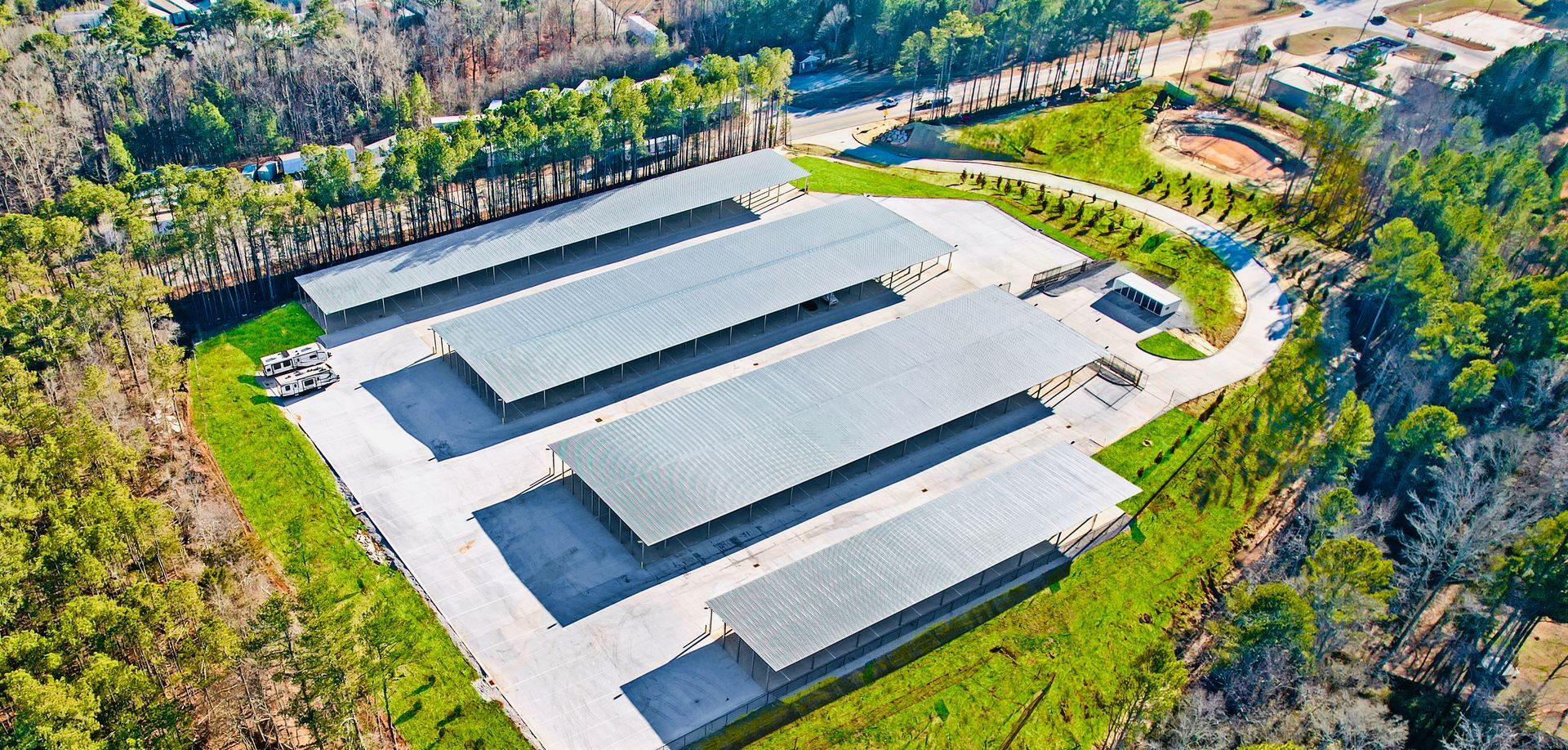
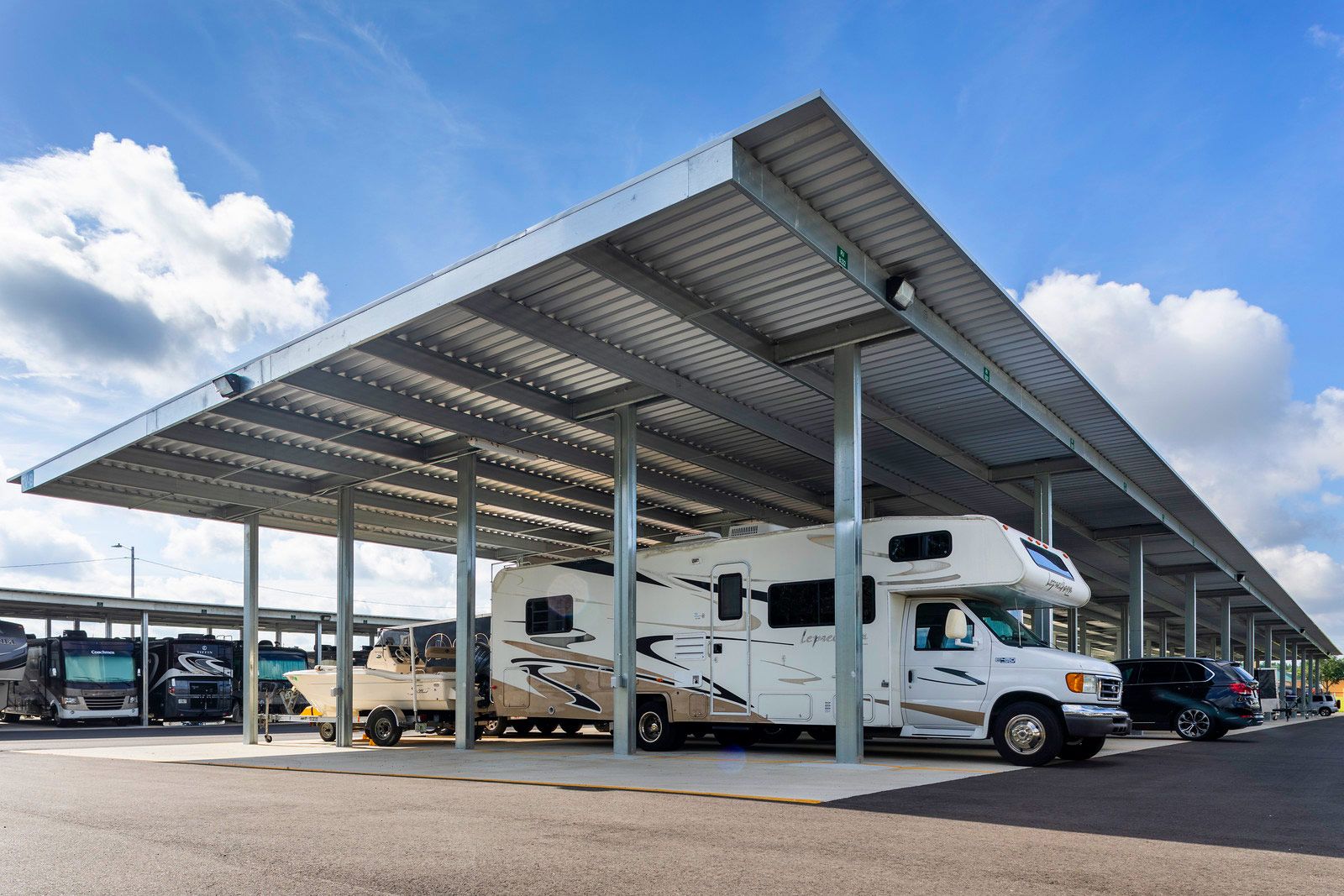
Oxford RV Storage operates in the I-20 East corridor—an area experiencing industrial growth while still offering competitive pricing. The location provides:
- Highway access comparable to closer-in facilities
- Pricing that reflects east-Metro economics
- Stable operation in a growth area
As the eastern Metro continues developing, facilities established in areas like Oxford benefit from improving infrastructure and increasing recognition of the corridor's accessibility.