Fire Safety Standards for Vehicle Storage Facilities
Fire at a vehicle storage facility is rare but devastating. When it happens, multiple vehicles can be destroyed in a single incident. Understanding fire risks and what facilities do (or don't do) to address them helps you make informed storage decisions and take appropriate precautions.
Fire Risks at Vehicle Storage
Vehicle-Related Risks
Fuel and fluids: Stored vehicles contain gasoline, diesel, propane (RVs), and various flammable fluids.
Electrical systems: Battery malfunctions, short circuits, and improperly connected maintainers can cause fires.
Propane systems (RVs): Leaks or faulty connections create explosion and fire risks.
Solar panels and lithium batteries: Increasingly common on RVs; can cause fires if damaged or malfunctioning.
Facility-Related Risks
Electrical infrastructure: Facility wiring, especially at older properties, can fail.
Accumulated debris: Dry vegetation, trash, and debris can fuel fires.
Neighboring properties: Fires can spread from adjacent areas.
Arson/vandalism: Intentional fires do occur at storage facilities.
Environmental Risks
Drought conditions: Georgia summers can create dry conditions where fires spread easily.
Lightning: Summer thunderstorms bring lightning strikes.
Wildfire proximity: Some areas face wildfire risk during dry periods.
What Facilities Do for Fire Safety
Basic Measures (Most Facilities)
Vegetation management: Keeping grass cut and brush cleared reduces fuel load.
Debris removal: Regular cleaning prevents accumulation of flammable materials.
Spacing between vehicles: Adequate spacing prevents fire spread from vehicle to vehicle.
Basic electrical maintenance: Keeping facility electrical systems in good repair.
Better Facilities Add
Fire extinguishers: Accessible extinguishers throughout the facility.
Posted emergency information: Contact numbers and procedures visible.
Prohibited activities: Rules against welding, engine work with fuel, open flames.
Inspection for hazards: Staff awareness of vehicles with visible problems.
Indoor Facilities May Have
Sprinkler systems: Some enclosed buildings have fire suppression.
Smoke detection: Alarms that alert to smoke presence.
Fire-rated construction: Building materials that resist fire spread.
Fire department notification: Automated alerts to emergency services.
Evaluating Fire Safety
What to Look For
Facility maintenance:
- Vegetation kept short and cleared
- No accumulated debris or junk
- Clean, organized appearance
Spacing:
- Adequate room between vehicles
- Not packed too tightly
- Access for emergency vehicles
Electrical:
- Professional-looking electrical infrastructure
- No obvious jury-rigged connections
- Outlets and panels in good condition
Rules:
- Clear policies about prohibited activities
- Rules enforced (not just posted)
Questions to Ask
- "Do you have fire extinguishers on-site?"
- "What are your policies about working on vehicles here?"
- "Has the facility had any fire incidents?"
- "What happens if there's a fire—what's the notification process?"
Red Flags
- Overgrown vegetation, especially during dry season
- Accumulated junk, debris, or abandoned vehicles
- Very tight spacing between vehicles
- Questionable electrical setups
- No posted fire/emergency information
Your Responsibilities
Before Storage
Vehicle preparation:
- Ensure battery is properly connected or disconnected
- Check for fuel leaks
- Propane tanks turned off (RVs)
- No combustible materials stored in vehicle
Battery maintainers:
- Use quality equipment
- Proper installation
- Don't daisy-chain or overload outlets
During Storage
Periodic checks:
- Look for signs of electrical problems
- Check for fuel or fluid leaks
- Verify battery maintainer is functioning properly
Report hazards:
- Alert facility to any concerning conditions
- Report other vehicles with visible problems
Insurance and Fire
Coverage Considerations
Comprehensive coverage: Should cover fire damage to your vehicle.
Verification: Confirm your policy covers vehicles in storage, including fire.
Facility coverage: Storage facilities typically don't insure your vehicle—their insurance covers their property and liability, not your belongings.
Documentation
Before storage:
- Photograph your vehicle's condition
- Document value and contents
- Keep records accessible (not in the stored vehicle)
If fire occurs:
- Document damage immediately
- File claims promptly
- Work with your insurance, not facility's insurance
Fire Risk by Storage Type
Outdoor Uncovered
Fire risk: Lower (open air disperses heat, harder for fire to spread)
Concerns: Grass fires, vehicle-to-vehicle spread if close
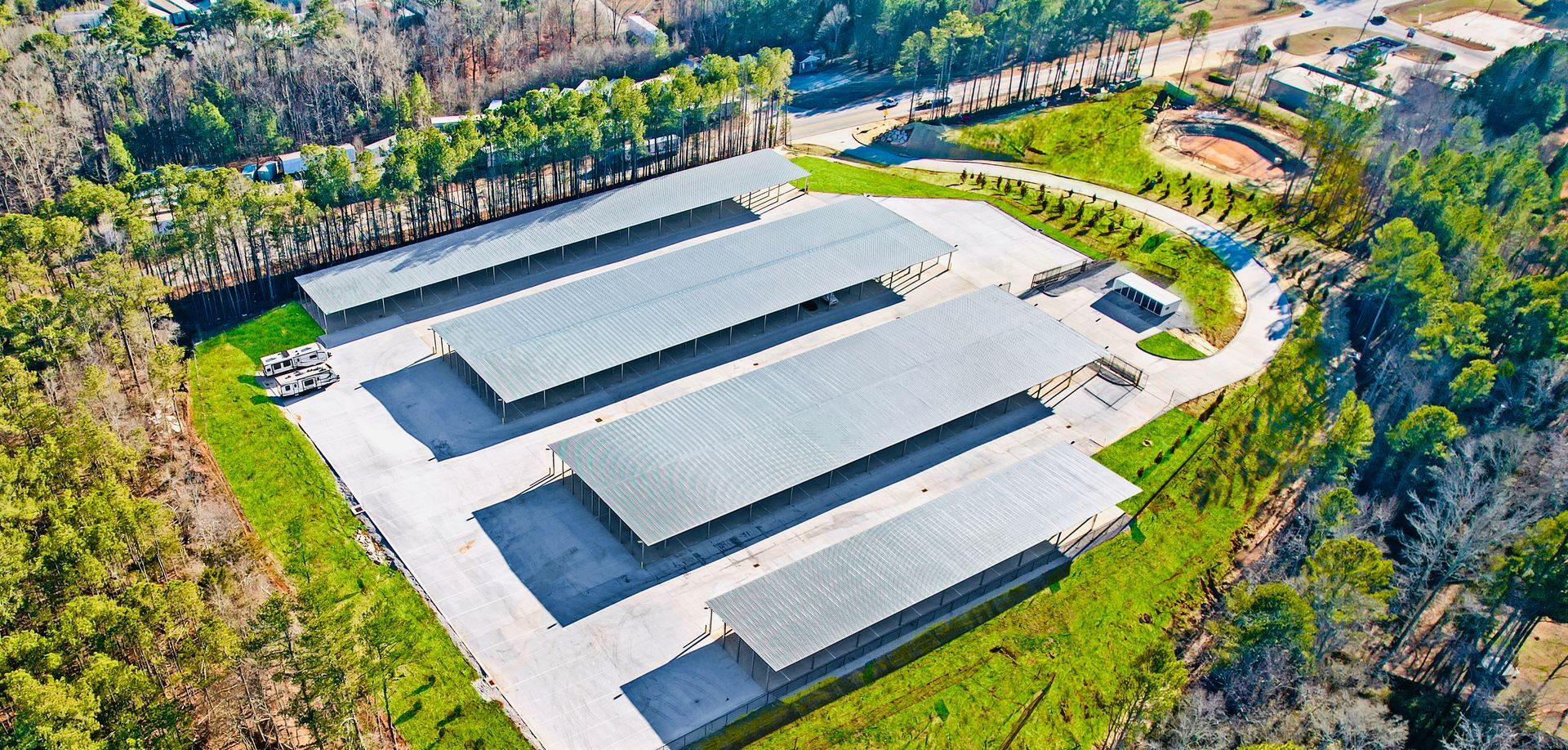
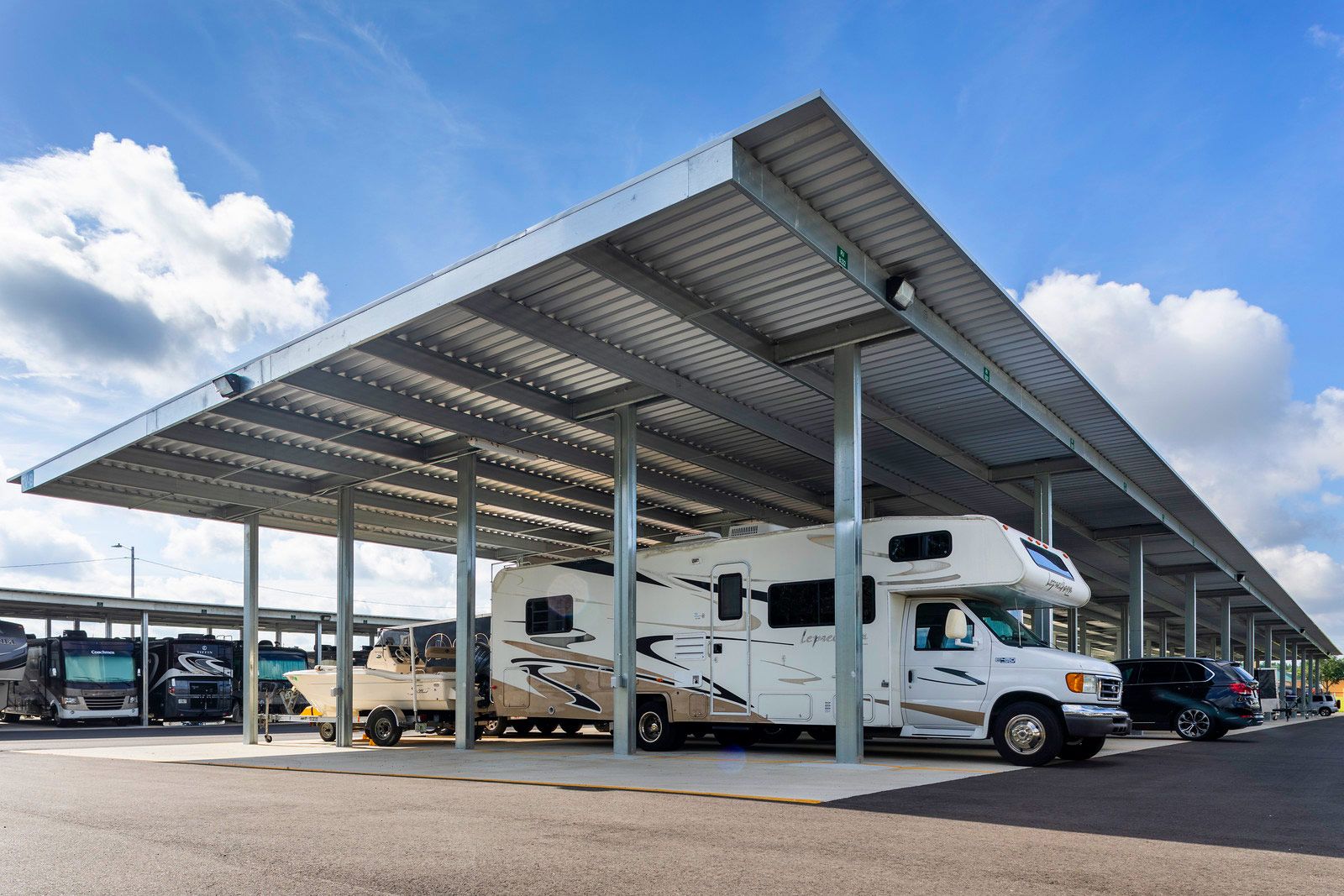
Outdoor Covered
Fire risk: Moderate (roof can trap heat and aid spread)
Concerns: Fire under cover can spread along structure
Indoor
Fire risk: Higher containment (fire inside building can be intense)
Mitigating factors: Often have suppression systems, fire-rated construction
Concerns: Smoke damage affects all vehicles in building
The Reality Check
Fire at vehicle storage facilities is uncommon. Most facilities never experience a significant fire. However:
- When fires occur, damage is often severe
- Multiple vehicles can be affected
- Insurance is your protection, not facility infrastructure
Choose reasonably well-maintained facilities, ensure your insurance is appropriate, and your fire risk is manageable.
Oxford RV Storage
Oxford RV Storage maintains its facility with standard fire safety practices including vegetation management and facility maintenance. The outdoor and covered storage format provides natural ventilation that limits fire spread risk compared to enclosed buildings.
As with any storage facility, maintain appropriate insurance coverage and follow proper vehicle preparation procedures.