RV Storage Security Features You Should Demand in Atlanta
RVs are valuable targets. A motorhome represents $50,000 to $500,000+ of investment sitting in a parking lot. The contents often include electronics, appliances, and personal items worth thousands more. When you're not watching, security features are all that stands between your RV and theft, vandalism, or damage.
Not all security is equal. Some features genuinely protect; others exist primarily for marketing. Understanding the difference helps you evaluate facilities based on what actually matters.
Non-Negotiable Security Features
These aren't "nice to have"—they're minimums for legitimate RV storage.
Perimeter Fencing
What to look for:
- 6+ feet tall (8 feet is better)
- No gaps, sags, or damage
- Extends completely around the property
- Gates are solid and close properly
- No easy climb-over points
Why it matters: Fencing establishes the boundary and creates a barrier to casual entry. It won't stop determined criminals, but it eliminates walk-in opportunists.
Red flag: Fencing with visible gaps, damaged sections not repaired, or areas where the fence doesn't connect to anything.
Gated Access Control
What to look for:
- Individual access codes or cards (not shared)
- Gate closes promptly after each vehicle
- Access log maintained
- Former tenants' access deactivated quickly
Why it matters: The gate controls who enters. Individual credentials mean every entry is logged and accountable. Shared codes spread uncontrollably and provide no audit trail.
Red flag: Shared gate codes ("everyone uses 1234"), gates that stand open, or broken gate mechanisms.
Adequate Lighting
What to look for:
- Coverage throughout the lot, not just near the office
- Lights actually working (check for burned-out bulbs)
- No large dark areas or shadowy corners
- LED lights preferred (brighter, more reliable)
Why it matters: Criminals avoid well-lit areas. Good lighting also enables cameras to capture useful footage and makes evening visits feel safer.
Red flag: Large sections of the lot in darkness, many non-functioning lights, lighting only near the entrance.
Important Security Features
These aren't absolute requirements but significantly improve protection.
Video Surveillance
What to look for:
- Cameras at gate, main aisles, and building entrances
- Recording (not just live display)
- Reasonable retention period (30+ days)
- Night vision capability
- Cameras positioned to capture useful detail (faces, plates)
Why it matters: Cameras deter (criminals see them) and document (footage aids investigation and prosecution). They don't actively prevent crime, but they provide accountability.
Questions to ask:
- "Where are cameras positioned?"
- "How long is footage retained?"
- "Is it accessible if I report a problem?"
Red flag: Obvious dummy cameras, cameras that clearly don't function, or staff who can't answer basic questions about the system.
Regular Management Presence
What to look for:
- On-site manager or regular staff visits
- Visible activity during business hours
- Responsiveness to issues and questions
Why it matters: Human presence deters crime and catches problems before they escalate. Someone who notices a broken fence section on Monday can fix it before Thursday's break-in.
Red flag: Facility seems abandoned, no one answers calls, issues go unaddressed for weeks.
Nice-to-Have Security Features
These add protection but aren't essential for basic RV storage.
Alarm Systems
Some facilities have alarms on gates, buildings, or specific areas. Useful if monitored and responded to; less useful if they just make noise.
On-Site Residence
Facilities where a manager lives on-site get 24/7 human presence. More common at some RV parks that offer storage; less common at standard storage facilities.
Monitored Security
Active monitoring services that watch cameras in real-time and can call police during incidents. Rare at standard RV storage due to cost.
Security Theater vs. Real Security
Marketing Claims to Scrutinize
"24/7 Surveillance" — Usually means cameras recording, not humans watching. Ask specifically what this means.
"State-of-the-Art Security" — Vague and meaningless. Ask what specific features this refers to.
"Fully Monitored" — Could mean actively monitored by humans, or just that footage is recorded. Clarify.
"Gated Community" — A gate exists. Says nothing about whether it's effective or access is controlled.
What Actually Matters
- Does the gate close after vehicles enter?
- Are access credentials individual and deactivated when people leave?
- Can you see cameras and lights actually working?
- Does the facility feel maintained and attended?
Trust observation over marketing.
Your Own Security Measures
Facility security is the first layer. Add your own:
For the RV
- Hitch locks (fifth wheels, travel trailers)
- Wheel locks (boots that immobilize the vehicle)
- Steering wheel clubs (motorhomes)
- GPS trackers (hidden, for recovery if stolen)
For Contents
- Don't store high-value items in the RV long-term
- Lock interior compartments
- Remove electronics when possible
- No visible valuables
Documentation
- Photograph your RV and contents with dates
- Record serial numbers for expensive items
- Know your VIN and keep it accessible
- Have proof of ownership readily available
Evaluating Facilities
Before Signing
- Visit in person (photos lie)
- Walk the perimeter and check fence condition
- Observe gate operation
- Check lighting (visit in evening if possible)
- Note camera positions
- Ask direct security questions
- Look at other vehicles stored (are owners trusting valuable rigs here?)
After Starting
- Test your access credentials
- Verify gate closes properly behind you
- Report any security issues promptly
- Monitor whether issues get addressed
Oxford RV Storage Security
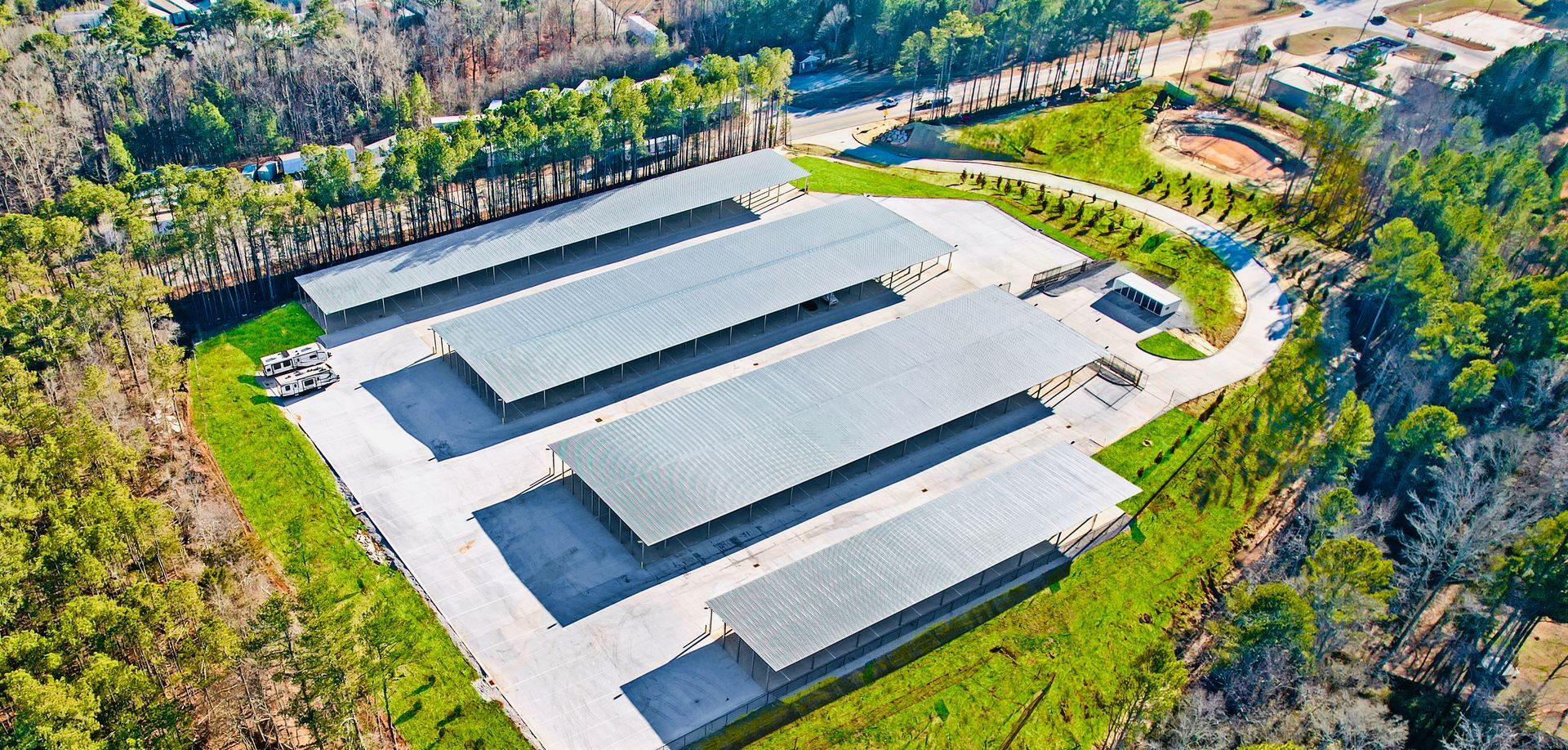
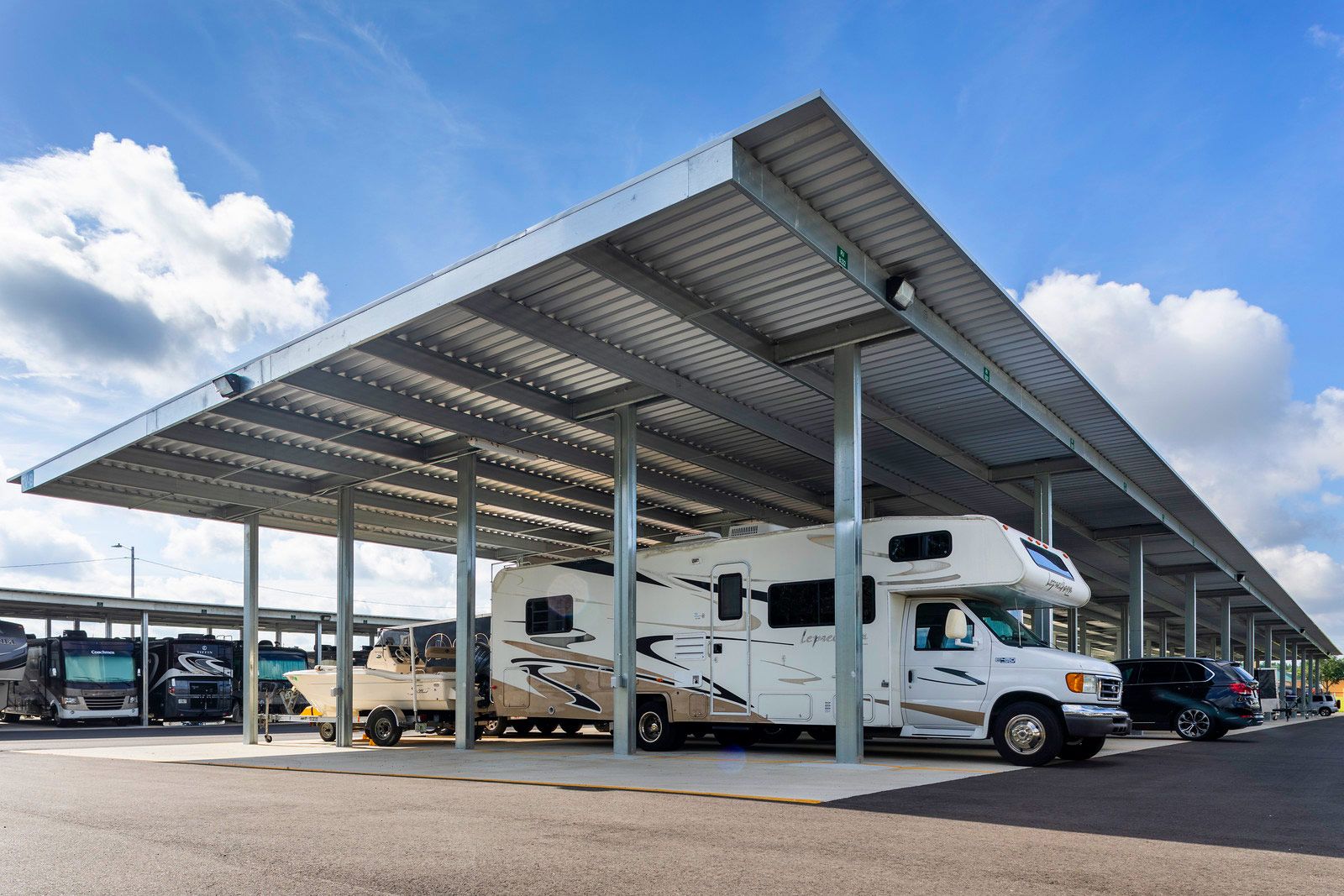
Oxford RV Storage provides fundamental security features appropriate for RV storage: gated access with individual codes, perimeter fencing, and lot lighting. These meet the non-negotiable requirements for legitimate storage.
For specific questions about security measures, visit the facility and observe firsthand. Marketing descriptions provide a starting point; your own evaluation provides confidence.