Must-Have Security Features in an Atlanta Storage Facility
Every storage facility advertises security. Gated access, surveillance cameras, well-lit property—these claims are universal. The difference between actually secure and security theater lies in implementation. Understanding what features matter and how to evaluate them helps you choose facilities that provide real protection.
The Essentials (Non-Negotiable)
Perimeter Fencing
A fence defines where the property starts and establishes a barrier to entry. It doesn't stop determined criminals, but it discourages casual trespassing and opportunistic crime.
What to check:
- Height: 6+ feet minimum, 8+ feet better
- Condition: No obvious gaps, damage, or areas where fence meets ground poorly
- Material: Chain link is standard; higher-security options exist but are uncommon
Red flags: Sagging fencing, visible gaps large enough to squeeze through, fence that ends before reaching obstacles
Gated Access Control
The gate is where access control happens. Its effectiveness depends on how it's implemented.
What matters:
- Individual access codes or cards (not a shared code everyone uses)
- Gates that close promptly after vehicles enter (not staying open for minutes)
- Logging of entries and exits (even if you never see the logs)
What to ask: "Does everyone use the same gate code, or do I get my own?" The answer tells you a lot.
Red flags: Gates that stand open during business hours, shared codes that "change every few months," damaged gates that don't close properly
Adequate Lighting
Good lighting serves two purposes: deterrence (criminals avoid well-lit areas) and detection (cameras and witnesses can see what's happening).
What matters:
- Full lot coverage, not just the office area
- Lights that actually work (burned-out fixtures are common)
- No large dark areas or shadowy corners
How to check: Visit the facility after dark. Walk or drive the property. If you feel unsafe, your vehicle isn't safe.
Red flags: Dark sections of the lot, lights out, shadows from tall vehicles creating blind spots
Important but Variable
Camera Systems
Cameras are complicated. Their presence doesn't guarantee effective security.
Questions that matter:
- Where are cameras positioned? (Gates, main aisles, specific areas?)
- Are they recording? (Some cameras are dummies or non-functional)
- How long is footage retained? (Days? Weeks?)
- Can footage actually identify vehicles and people? (Resolution matters)
A comprehensive camera system with proper coverage and recording helps after incidents. Poorly positioned cameras watching nothing useful provide false comfort.
Reality check: Cameras rarely prevent crime in progress. Their value is deterrence and post-incident investigation. If someone breaks into your vehicle, cameras might help identify them afterward but probably won't stop the break-in from happening.
On-Site Presence
Some facilities have on-site managers or regular staff presence. This adds real security—people notice things that cameras miss.
What to understand:
- "On-site management" can mean someone lives there, or just that staff visit regularly
- Evening and weekend presence matters more than 9-to-5 office hours
- Any human presence deters casual crime
Don't expect: Armed guards, 24/7 security patrols, or instant response to incidents. These exist at high-security facilities but aren't standard.
Alarm Systems
Some facilities have alarm systems tied to the gate, building, or specific areas.
What this typically means:
- Sensors detect after-hours entry or forced access
- Alarms alert monitoring services or owners
- Response depends on the monitoring arrangement
For most vehicle storage facilities, alarm systems are basic if present at all. This is a nice-to-have rather than a must-have.
What Security Actually Prevents
Be realistic about what storage facility security addresses:
Opportunistic theft: Random criminals checking for unlocked vehicles, easy targets, or items visible through windows. Good security dramatically reduces this.
Casual vandalism: Bored teenagers, minor property crime. Fencing and lighting effectively deter this.
Inside jobs: Theft by people with legitimate access (other tenants). Individual access codes help but don't eliminate this. Keep valuables out of sight regardless.
Targeted professional theft: Someone who specifically wants your vehicle or contents and plans accordingly. Basic facility security won't stop this; it just makes it harder. Insurance is your real protection here.
Red Flags to Watch For
- Gates that are frequently open or broken
- Cameras that are obviously fake or non-functional
- No individual access codes (shared code for everyone)
- Poor lighting with multiple dark areas
- Fencing with visible gaps or damage
- No clear policy on who has access
- Abandoned or stripped vehicles in the lot
- Management that can't answer basic security questions
Questions to Ask
- "How does gate access work? Do I get my own code?"
- "Where are cameras positioned, and is footage recorded?"
- "What happens if there's a break-in? Who gets notified?"
- "Has the facility had security incidents? How were they handled?"
- "Who else has access to the property?"
Legitimate facilities answer these questions directly. Evasive answers suggest the security isn't what they claim.
Oxford RV Storage Security
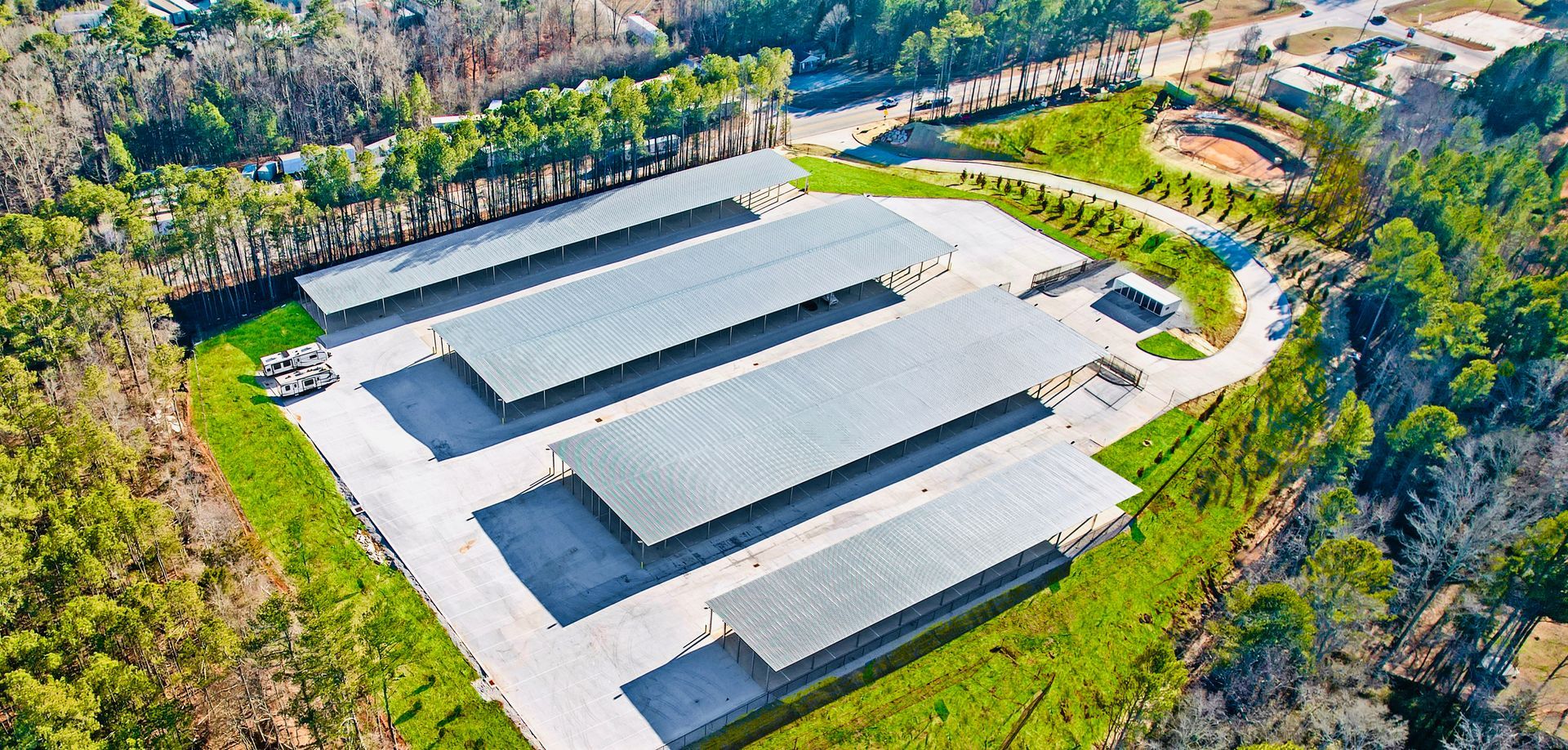
Oxford RV Storage provides the essential security features for vehicle storage: perimeter fencing, gated access with individual codes, and lot lighting. The facility is designed for practical security appropriate to vehicle storage—not high-security government storage, but solid protection against the realistic threats facing stored vehicles in the Atlanta Metro.
Visit and evaluate the security yourself. What's described in marketing should match what you see on the ground.