How to Store Your High-Value Vehicle Safely in Georgia
"High-value" is relative—for some owners, it's a $50,000 sports car; for others, it's a $500,000 collectible. But the principle is consistent: when a vehicle represents significant financial value, storage decisions should protect that investment. This guide covers the considerations that apply across the high-value spectrum.
Defining Your Protection Needs
Value-Based Thinking
Storage investment should be proportional to vehicle value:
$50,000-100,000: Quality covered or indoor storage justified. Climate control optional unless storing long-term or with particularly vulnerable materials.
$100,000-250,000: Indoor storage strongly recommended. Climate control worth considering. Premium facilities worth evaluating.
$250,000+: Climate control standard. Premium/collector facilities appropriate. Full-service options worth the cost.
Risk Assessment
Different vehicles face different risks:
Theft risk: Is this a commonly stolen model? Is it particularly valuable for parts? Would criminals target it specifically?
Environmental vulnerability: Does it have materials (carbon fiber, exotic leather, single-stage paint) that are particularly sensitive to heat, humidity, or UV?
Condition criticality: Is this a driver-quality car where minor wear is acceptable, or a collector piece where condition is paramount?
Choosing Storage Type
Climate-Controlled
What it provides:
- Temperature management (typically 55-75°F)
- Humidity control (typically under 50%)
- Complete environmental protection
Best for:
- Collector-grade vehicles
- Long-term storage (6+ months)
- Vehicles with sensitive materials
- Cars where condition affects value significantly
Cost: $300-600+/month in Georgia
Indoor (Non-Climate-Controlled)
What it provides:
- Protection from sun and weather
- Reduced temperature extremes (but still gets hot)
- Better security than outdoor
Best for:
- Mid-value vehicles
- Medium-term storage
- Driver-quality cars
- Budget-conscious owners who still want meaningful protection
Cost: $150-300/month in Georgia
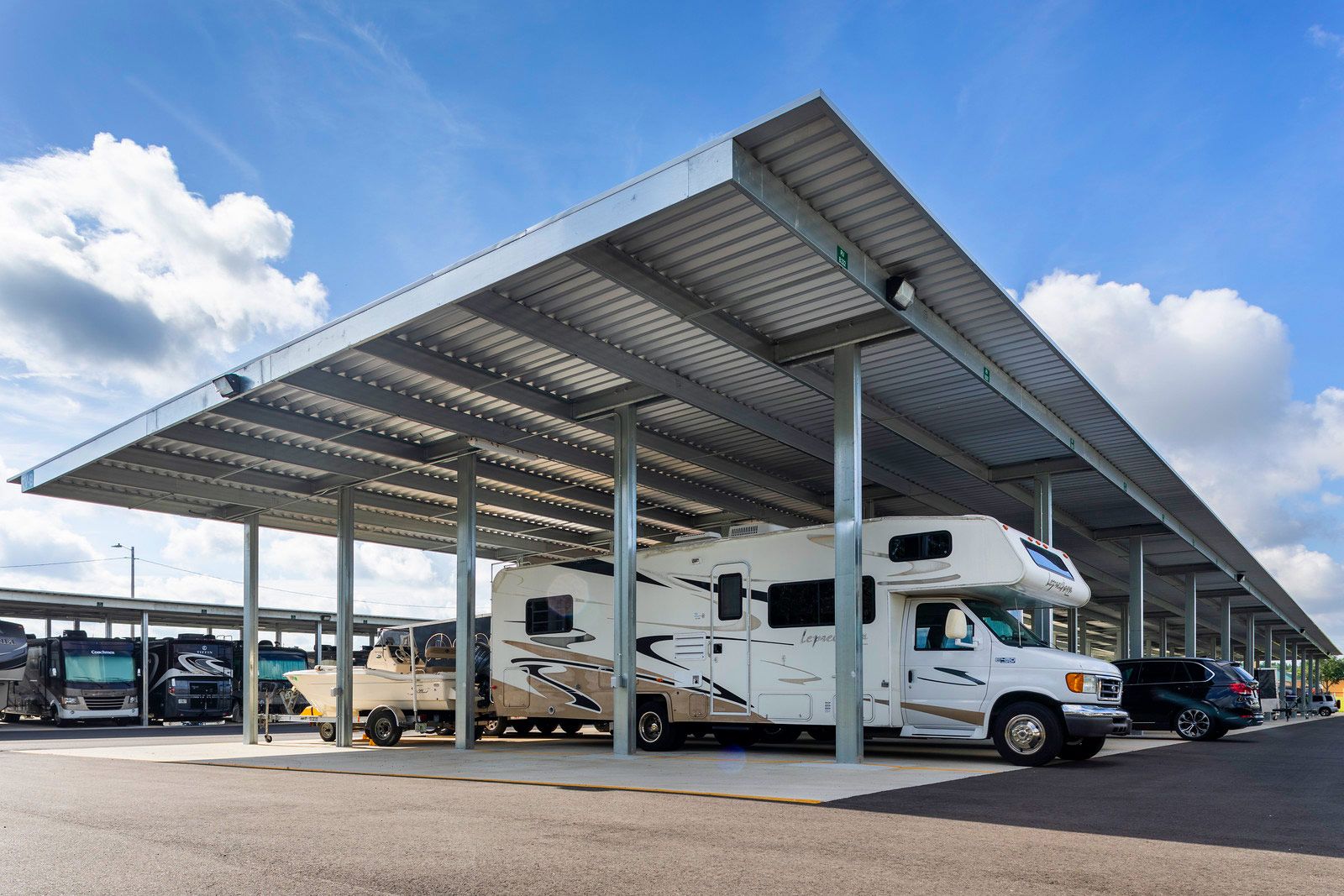
Covered Outdoor
What it provides:
- UV protection
- Hail protection
- Some temperature reduction
Best for:
- Frequently used vehicles
- Cars that are already "weathered"
- Budget priority situations
- Short-term storage
Cost: $75-175/month in Georgia
Security Requirements
Facility Security
Minimum standards:
- Gated access with individual credentials
- Perimeter fencing in good condition
- Adequate lighting
- Clear access policies
Better:
- Camera coverage with recording
- Limited facility access (not open to public)
- Management presence
- Track record of low incidents
Premium:
- Active monitoring
- Individual bays or limited-access areas
- Specialized high-value vehicle storage
- Background-checked staff
Your Security Measures
Essential:
- Nothing valuable visible in the car
- All doors and compartments locked
- Insurance verified for storage location
Recommended:
- Kill switch or starter interrupt
- GPS tracker (hidden)
- Visible deterrents (steering lock, alarm stickers)
For very high-value:
- Professional-grade tracker with monitoring service
- Multiple layers of theft prevention
- Insurance that provides agreed value coverage
Insurance Considerations
Verify Coverage
Before storing, confirm:
- Comprehensive coverage is active
- Storage location is covered
- Value is appropriately covered
Specialized Policies
For high-value vehicles, consider:
Agreed value policies: You and the insurer agree on value upfront. If the car is totaled or stolen, you get that amount—no depreciation surprises.
Collector car insurance: Specialized policies for collector/classic vehicles. Often cheaper than standard insurance and better suited to how these cars are used and stored.
Stated value policies: You state a value, but the insurer can still depreciate or dispute at claim time. Less protection than agreed value.
Documentation
Maintain records that support your car's value:
- Purchase records
- Appraisals (updated periodically for appreciating vehicles)
- Maintenance and service records
- Photo documentation of condition
- Any provenance documentation
Preparation for Storage
Vehicle Preparation
All high-value vehicles:
- Full detail (exterior and interior)
- Document condition with dated photos
- Battery management (maintainer or disconnect)
- Fuel stabilizer and full tank
- Tire management (proper pressure, consider stands)
- Moisture absorbers in interior
Additional for long-term:
- Fresh oil if due
- Check all fluids
- Pest prevention measures
- More intensive tire protection (stands or cradles)
Facility Selection
Before committing:
- Visit in person
- Assess security realistically
- Verify they can accommodate your vehicle (dimensions, access)
- Understand terms (minimum stay, notice period, access hours)
- Check other vehicles stored (are similar-value vehicles trusted here?)
During Storage
Regular Checks
Monthly if possible:
- Visual inspection
- Battery maintainer verification
- Tire pressure check
- Look for any issues (leaks, pests, problems)
Every 2-3 months:
- More thorough inspection
- Start the car if practical
- Check under the car
- Replace moisture absorbers
Maintaining Records
Keep documentation of:
- All visits and inspections
- Any issues observed
- Maintenance performed
- Condition over time
Retrieval and Use
Pre-Drive Protocol
Before driving after storage:
- Full visual inspection
- Check all fluid levels
- Verify tire pressure and condition
- Test brakes at low speed
- Monitor gauges during warm-up
- Note any unusual sounds or behaviors
Post-Retrieval
After first drive:
- Inspect under the car for leaks
- Note any concerns for follow-up
- Consider professional inspection if anything seems off
Oxford RV Storage for High-Value Vehicles
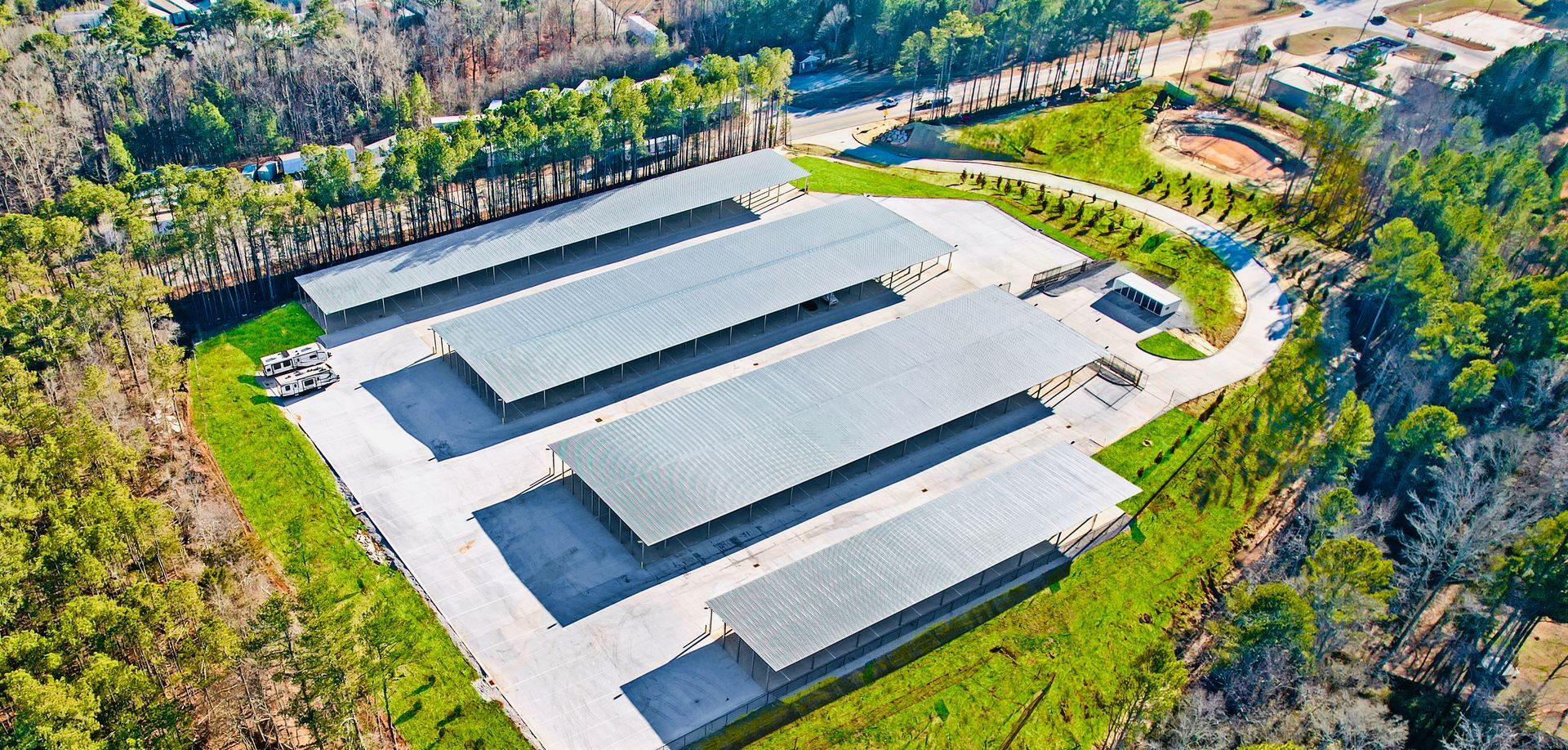
Oxford RV Storage provides secure covered storage that can accommodate high-value vehicles. For owners who are hands-on with preparation and maintenance, covered storage provides protection from UV and hail at moderate cost.
For collector-grade vehicles or owners preferring climate control and full-service storage, dedicated collector car facilities in Atlanta are more appropriate.