How to Protect Stored Vehicles During Atlanta Storms
Atlanta's severe weather season brings real risks to stored vehicles. Hail, high winds, flooding, and debris can cause thousands in damage to unprotected vehicles. While you can't control the weather, you can choose appropriate storage and take steps to minimize storm damage risk.
Atlanta's Severe Weather Patterns
Storm Season
Peak period: March through May (spring severe weather season)
Secondary period: September through November (fall transition storms)
Year-round: Isolated thunderstorms can occur any month
What to Expect
Hail: 2-4 significant hail events per year in the Metro area. Hail can range from pea-sized (minor) to golf ball-sized or larger (severe).
Straight-line winds: Thunderstorms often produce 50-70+ mph winds, capable of blowing debris and toppling trees.
Tornadoes: Rare but possible. EF0-EF2 tornadoes occur in the Metro every few years.
Flooding: Flash flooding during heavy rain events. Affects low-lying areas and areas with poor drainage.
Storage Type and Storm Protection
Outdoor Uncovered
Protection level: None against storm damage
Risks:
- Full hail exposure
- Direct debris impact
- Flooding if drainage is poor
- No protection from any storm element
Mitigation:
- Comprehensive insurance
- Car cover (provides minimal cushioning, not real protection)
- Choose facility with excellent drainage
- Avoid spaces under/near trees
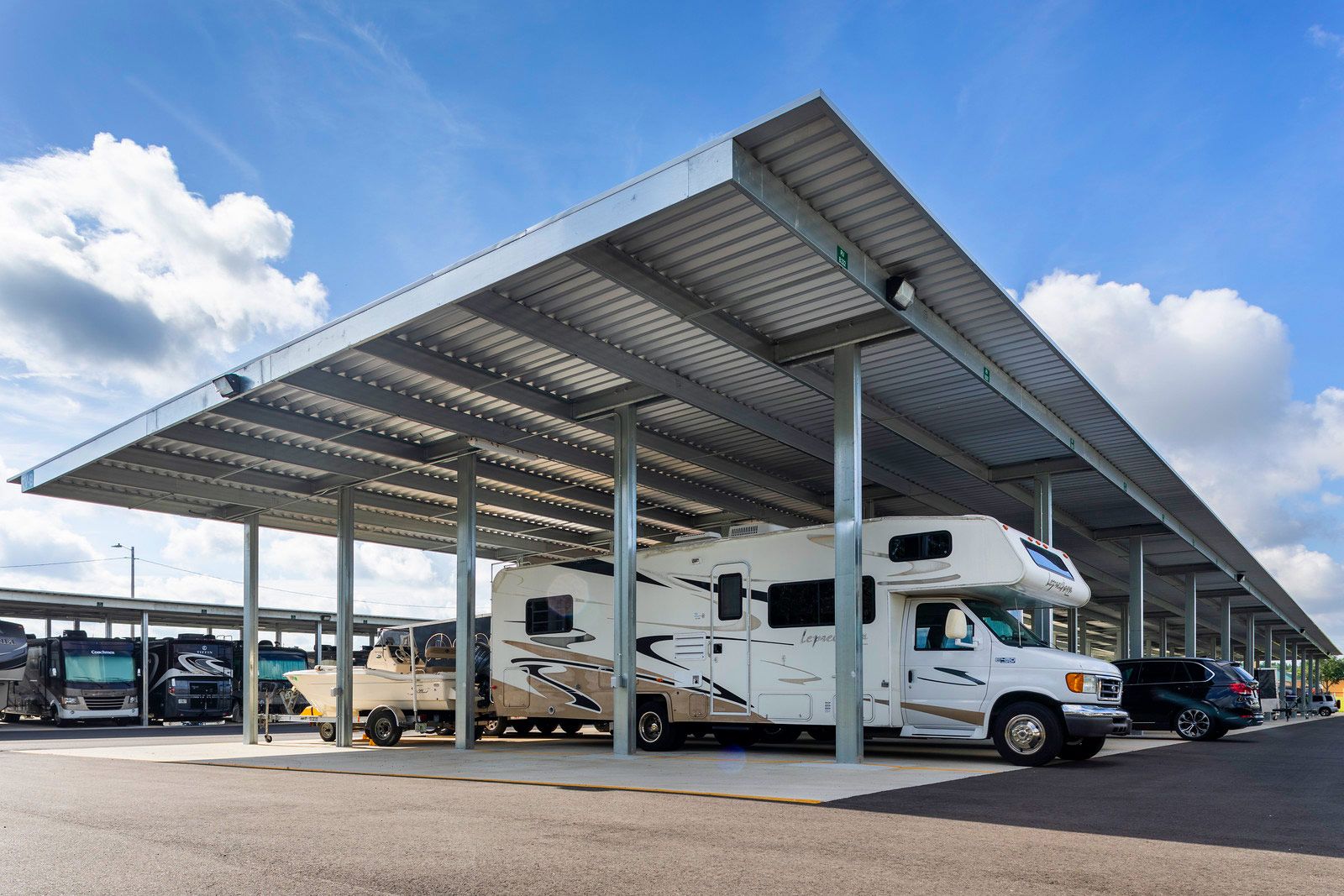
Covered Storage
Protection level: Good against most storm threats
What it protects against:
- Hail (complete protection)
- Moderate debris (roof catches most falling objects)
- Direct rain
What it doesn't protect against:
- Flooding
- Extreme winds (debris can blow in from sides)
- Tornado-level events
Best covered storage features:
- Solid, well-maintained roof structure
- Partial side enclosure (better debris protection)
- Elevated or well-drained location
Indoor Storage
Protection level: Excellent against most storm threats
What it protects against:
- Hail (complete)
- Debris (complete)
- Rain (complete)
- Most wind events
What it doesn't protect against:
- Flooding (if building is in flood zone)
- Building collapse (extreme events)
Climate-Controlled
Same protection as indoor, plus additional building envelope protection.
Before Storm Season
Choose Storm-Resistant Storage
If you're in outdoor storage and storm season is approaching, consider:
- Moving to covered or indoor storage for the season
- Understanding the cost-benefit (one hail event can cost more than months of upgraded storage)
Verify Insurance
Comprehensive coverage: Should cover storm damage including hail
Deductible: Know what you'll pay out of pocket
Coverage limits: Appropriate for your vehicle's value
Claim process: Understand what documentation you'll need
Assess Your Facility
Drainage:
- Has the facility flooded before?
- How does water flow during heavy rain?
- Is your specific space in a low area?
Trees:
- Are there large trees that could fall or drop branches?
- Can you request a space away from trees?
Structure condition:
- For covered/indoor: Is the structure well-maintained?
- Are there loose panels, damaged roofing, or other vulnerabilities?
When Severe Weather Approaches
With Advance Warning (24+ hours)
If you have flexibility:
- Consider moving vehicle to more protected storage
- For outdoor storage, ensure car cover is secured
- Check that nothing is loose on or around your vehicle
- Verify battery maintainer is unplugged (surge protection)
Document:
- Take photos of vehicle condition
- Note mileage and any existing damage
- Have insurance info accessible
Short-Notice Storms
If you can't move the vehicle:
- Ensure it's locked and secured
- Accept that outdoor vehicles are at risk
- Have insurance documentation ready
After a Storm
Initial Assessment
Before entering the facility:
- Check for downed power lines
- Watch for flooding or unstable structures
- Take photos of any visible damage to facility
Vehicle Inspection
Exterior:
- Walk around checking all panels for dents
- Inspect roof, hood, trunk lid
- Check glass for cracks
- Look for debris damage
- Photograph everything
Underneath:
- Look for flood evidence (water lines, debris caught)
- Check for visible damage
Interior (if flooding suspected):
- Check carpets for moisture
- Look for water lines on interior surfaces
- Smell for mold/mildew
If Damage Occurred
- Document thoroughly — Photos, video, written notes
- Contact insurance — Report promptly
- Don't drive until assessing whether it's safe
- Get professional assessment if damage is significant
- Contact facility — They may have documentation/footage
Flood-Specific Considerations
Never Drive Through Flood Water
If your storage facility is flooded:
- Wait for water to recede
- Don't try to retrieve your vehicle from standing water
- Water damage can be hidden and severe
Flood Damage Reality
Even a few inches of standing water can:
- Destroy electronics and wiring
- Ruin interior materials
- Cause mold that never fully resolves
- Total a vehicle insurance-wise
Choosing Flood-Resistant Storage
- Ask if the facility has flooded before
- Visit after heavy rain to see drainage
- Choose spaces in elevated areas if possible
- Avoid facilities in known flood zones
Oxford RV Storage Storm Protection
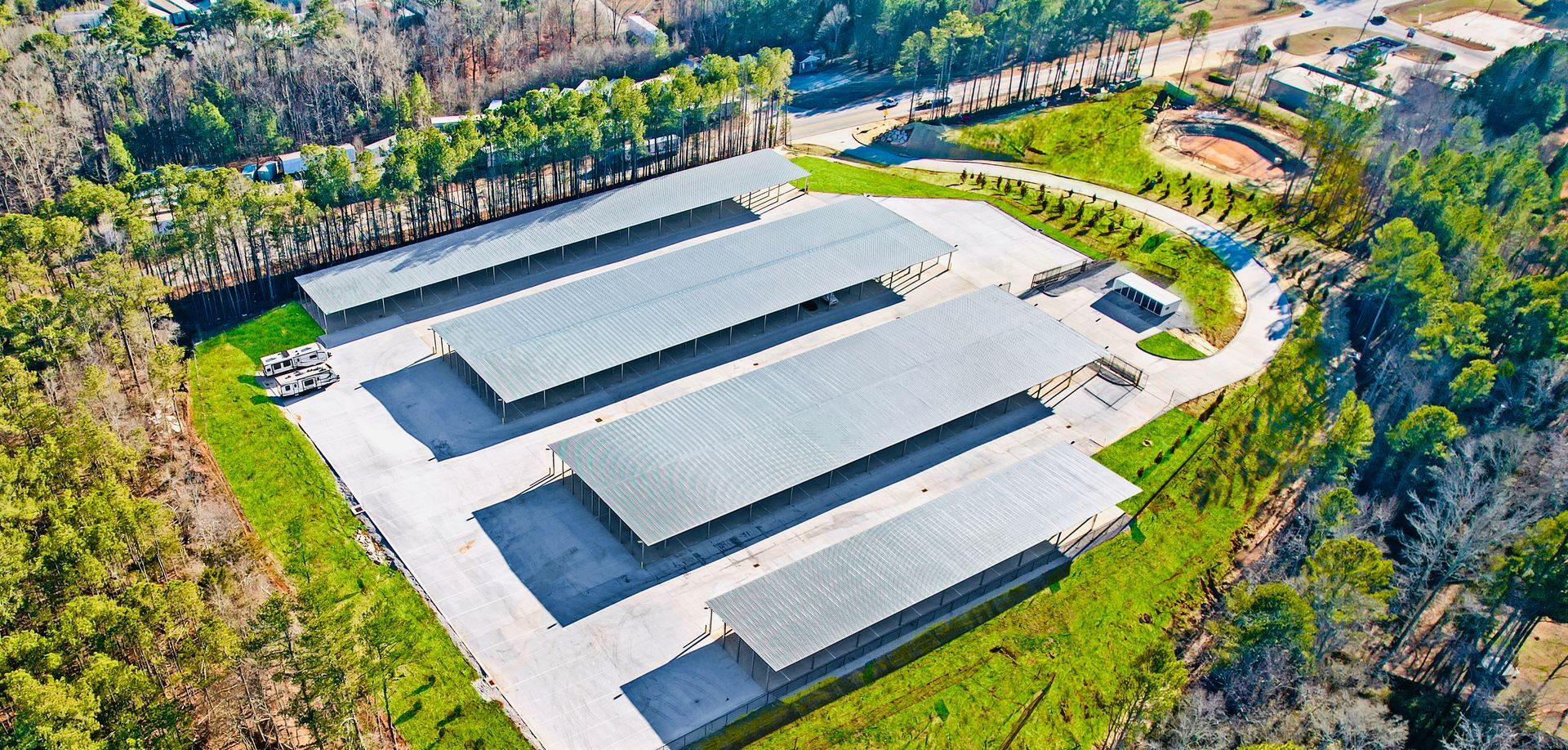
Oxford RV Storage offers covered storage that provides protection against hail—the most common storm damage threat in the Atlanta Metro. The facility's location and layout affect drainage; visit to assess specific space options.
For maximum storm protection, covered storage eliminates the most significant weather risks. For outdoor storage users, understanding the risks and maintaining appropriate insurance is essential.