How to Choose a Reliable Boat Storage Facility in Atlanta
Choosing boat storage in Atlanta requires different considerations than car or RV storage. Boats have specific vulnerabilities—gel coat that needs UV protection, motors that need winterization, trailers that need maintenance. Finding a reliable facility means understanding what boats need and evaluating whether a facility can provide it.
What "Reliable" Means for Boat Storage
Consistent Availability
You want to use your boat when you want to use it. A reliable facility:
- Has consistent access hours
- Isn't so crowded you can't maneuver
- Processes payments and access reliably
- Communicates about any issues
Appropriate Protection
Your boat needs protection appropriate to its value and your usage:
- Security against theft and vandalism
- Weather protection (at least UV, ideally hail)
- Good drainage (trailers shouldn't sit in water)
- No tree hazards
Professional Management
Reliable facilities are well-run:
- Staff who understand boat storage needs
- Clear policies and consistent enforcement
- Responsive to problems
- Stable operation (not going out of business)
Evaluating Boat Storage Facilities
Physical Assessment
Maneuvering space:
- Can you get your boat in and out easily?
- Is there room for trailer backing without hitting obstacles?
- How crowded is the facility?
Visit with your tow vehicle if possible—or at least a vehicle of similar size.
Surface conditions:
- Gravel, asphalt, or concrete in good condition?
- Any standing water or drainage problems?
- Level enough for stable trailer parking?
Security:
- Gated access with individual credentials?
- Fencing in good repair?
- Adequate lighting?
- Other boats stored (suggests trust from other owners)?
Environment:
- Away from trees that could drop debris or branches?
- Clear of flood-prone areas?
- Good sun exposure if outdoor (for drainage after rain)?
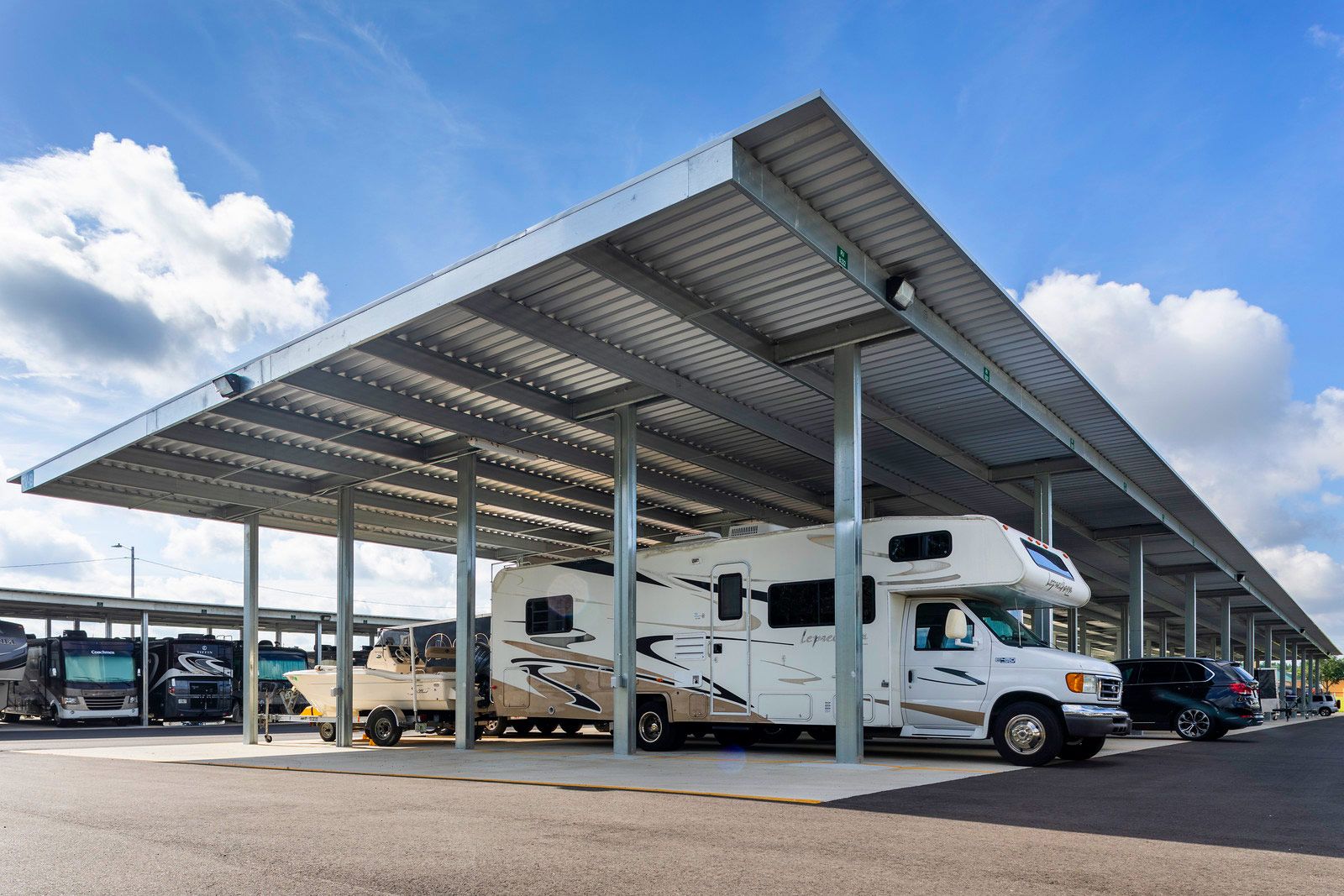
Covered Storage Specifics
If considering covered storage:
- Height clearance adequate for your boat (including T-tops, towers, outriggers)?
- Width appropriate for your beam plus trailer?
- Quality of roof structure (solid, well-maintained)?
Questions to Ask
About the facility:
- "How long have you been operating?"
- "What kind of boats do you typically store?"
- "Has the facility flooded in the past?"
- "Any break-ins or theft issues?"
About operations:
- "What are your access hours?"
- "How does gate access work?"
- "What notice do you need if I'm leaving?"
- "Are there restrictions on washing, maintenance, or running motors?"
About your specific space:
- "Can I see the actual space I'd be renting?"
- "Will this accommodate my boat's dimensions?"
- "Any concerns about my specific setup?"
Boat-Specific Considerations
Trailer Access
Boats on trailers require:
- Space length exceeding boat + trailer + tongue
- Width accommodating boat beam plus working room
- Ability to back a trailer (more difficult than forward parking)
Motor and Outdrive Exposure
On outdoor lots:
- Is there shade or can you position to minimize direct sun on the motor?
- Cover for the motor is your responsibility, but facility should support it
Hull and Gel Coat
UV destroys gel coat over time. Consider:
- Covered storage for newer boats or long-term storage
- Quality boat cover for outdoor storage
- How much direct sun exposure the space receives
Security for Outboards
Outboard motors are theft targets:
- Secure with motor lock
- Choose facilities where other boats have similar security concerns
- Verify facility has adequate access control
Types of Boat Storage
Marina Storage (Wet Slips, Dry Stacks)
At the lake—either in-water or stored in a rack system.
Pros: Maximum convenience when boating Cons: Expensive, limited availability, tied to one location
Trailered Storage at a Facility
Your boat sits on its trailer at a storage lot.
Pros: Flexible, affordable, can use any lake Cons: Requires towing, launch logistics
Home Storage
Keep your boat in your driveway or yard.
Pros: Free, immediately accessible Cons: HOA issues, space requirements, neighborhood appearance
Reliability Red Flags
Avoid facilities that:
- Can't answer basic questions about their operation
- Have gates that don't function properly
- Show signs of poor maintenance (broken equipment, overgrown areas)
- Have abandoned or stripped boats in the lot
- Won't let you see the space before committing
- Require unusually long contracts with harsh penalties
Cost Expectations
Atlanta Metro trailered boat storage:
Outdoor uncovered:
- Small boats (under 20 ft): $60-100/month
- Mid-size boats (20-26 ft): $80-140/month
- Large boats (26+ ft): $100-175/month
Covered storage:
- Add 30-50% to outdoor rates
- Height/width restrictions apply
Oxford RV Storage for Boats
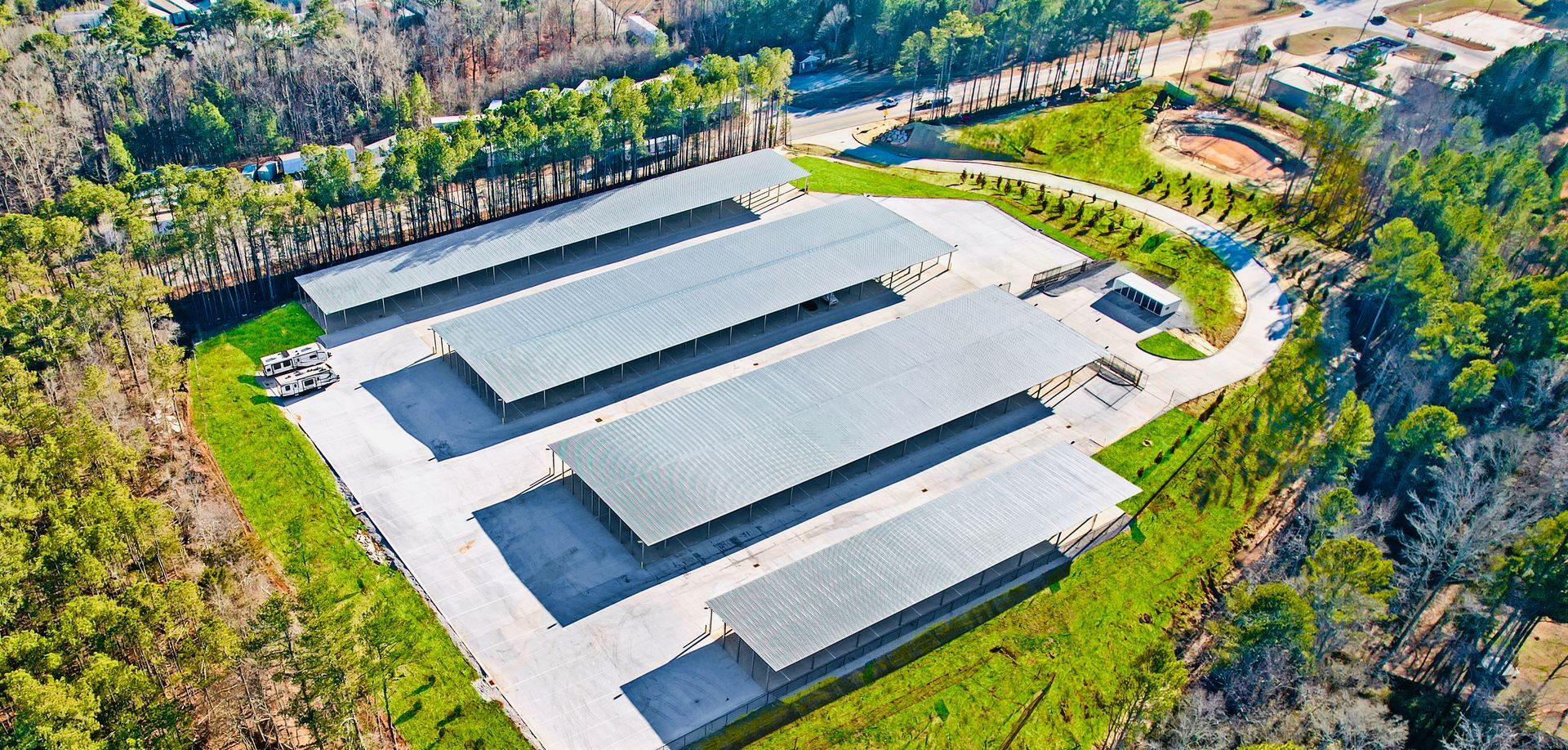
Oxford RV Storage accommodates trailered boats alongside RVs and other vehicles. The facility offers outdoor and covered options with space appropriate for boat trailers and gated access.
Located along I-20 between Atlanta and Lake Oconee, it's particularly practical for boaters who use eastern Georgia lakes. The facility can be part of your evaluation alongside other options serving the Atlanta area.