How to Keep Your Vehicle Safe in Outdoor Storage
Outdoor storage is the most common and affordable option for vehicles in the Atlanta Metro. It also exposes your vehicle to everything Georgia's climate can throw at it: intense summer sun, spring hail, humidity, and occasional severe weather. The goal isn't to eliminate exposure—indoor storage does that—but to manage it intelligently.
The Primary Threats in Outdoor Storage
UV and Sun Damage
Georgia averages 217 sunny days per year. Parked outside, your vehicle bakes in direct sunlight for hundreds of hours annually.
What happens:
- Paint oxidizes and fades (dark colors especially)
- Clear coat breaks down
- Plastic trim and rubber seals dry out and crack
- Interior dashboards fade and crack
- Leather deteriorates
Damage timeline: Noticeable fading after 6-12 months of continuous outdoor storage. Significant degradation after 2+ years.
Heat Buildup
Summer temperatures inside a parked vehicle reach 140-170°F. Even with the windows cracked, interior temperatures far exceed ambient.
What happens:
- Accelerated interior deterioration
- Electronics stress and potential failure
- Battery degradation
- Fluid breakdown
Hail
Atlanta sees 2-4 significant hail events per year, typically March through May. A single hailstorm can cause thousands in damage.
What happens:
- Dents across body panels, hood, and roof
- Cracked or broken glass
- Damaged RV roofing membranes
Tree Debris and Bird Activity
Outdoor storage near trees means:
- Falling branches (potential serious damage)
- Sap deposits (sticky, damages paint if left)
- Bird droppings (acidic, etches paint quickly)
- Leaf accumulation (traps moisture, clogs drains)
Theft and Vandalism
Outdoor vehicles are more visible and accessible than indoor-stored vehicles.
Mitigation Strategies
Use a Quality Cover
A proper vehicle cover is the single most effective protection for outdoor storage.
What to look for:
- Material rated for outdoor UV exposure
- Breathable fabric (non-breathable traps moisture)
- Custom or semi-custom fit for your vehicle
- Secure attachment (straps or elastic hem)
Cost: Good car covers run $100-300. RV covers run $200-600+. Cheap covers often do more harm than good—flapping in wind causes scratches.
Usage tips:
- Only cover a clean, dry vehicle
- Check periodically that the cover isn't rubbing or accumulating debris underneath
- Replace when UV degradation makes the cover stiff or brittle
Reflective Windshield Shades
Even under a cover, or especially without one, reflective windshield shades reduce interior heat and protect the dashboard.
Cost: $15-50
Effectiveness: Can reduce interior temps by 20-40°F. Significantly extends dashboard and interior life.
Tire Protection
Tires are expensive and UV destroys them faster than miles do.
Options:
- Tire covers (UV blockers, $30-80 per set)
- Parking on boards or mats (prevents ground moisture wicking)
- Slightly over-inflating (reduces flat spot development)
- Periodic movement (prevents flat spots from setting permanently)
Battery Management
Outdoor storage doesn't specifically affect batteries, but batteries die in storage regardless of location.
Options:
- Disconnect the battery (prevents parasitic drain)
- Use a solar maintainer (works in outdoor storage, keeps battery charged)
- Remove battery entirely and store indoors
Strategic Positioning
If you have any choice in your storage space:
- Avoid spaces directly under trees
- Prefer spaces away from high-traffic areas (reduces accidental damage risk)
- Consider orientation (south-facing gets more sun)
Regular Inspection
Check your vehicle at least monthly:
- Look under covers for moisture or debris accumulation
- Check tire pressure and condition
- Look for signs of rodent activity
- Note any new damage
Early detection prevents small problems from becoming expensive repairs.
Security Measures for Outdoor Storage
Outdoor vehicles are inherently more visible and accessible. Beyond facility security, consider:
Visible deterrents:
- Steering wheel clubs (cheap, visible, discourages casual theft)
- Visible alarm system stickers (even if you don't have an alarm)
- Nothing valuable visible inside
Practical security:
- Lock everything—doors, storage compartments, trailer hitches
- Don't store valuables in the vehicle
- Consider a tracking device for high-value vehicles
What Outdoor Storage Can't Prevent
Be realistic about outdoor storage limitations:
- Severe hail damage (unless you have covered storage)
- Paint fade over years of exposure (covers slow but don't eliminate)
- Extreme heat inside the vehicle
- Weather events like tornadoes or severe storms
Outdoor storage is appropriate when the cost savings justify accepting these risks. For most daily drivers and frequently used RVs, it works fine. For valuable collectibles or vehicles stored for years, indoor storage is worth the premium.
Oxford RV Storage
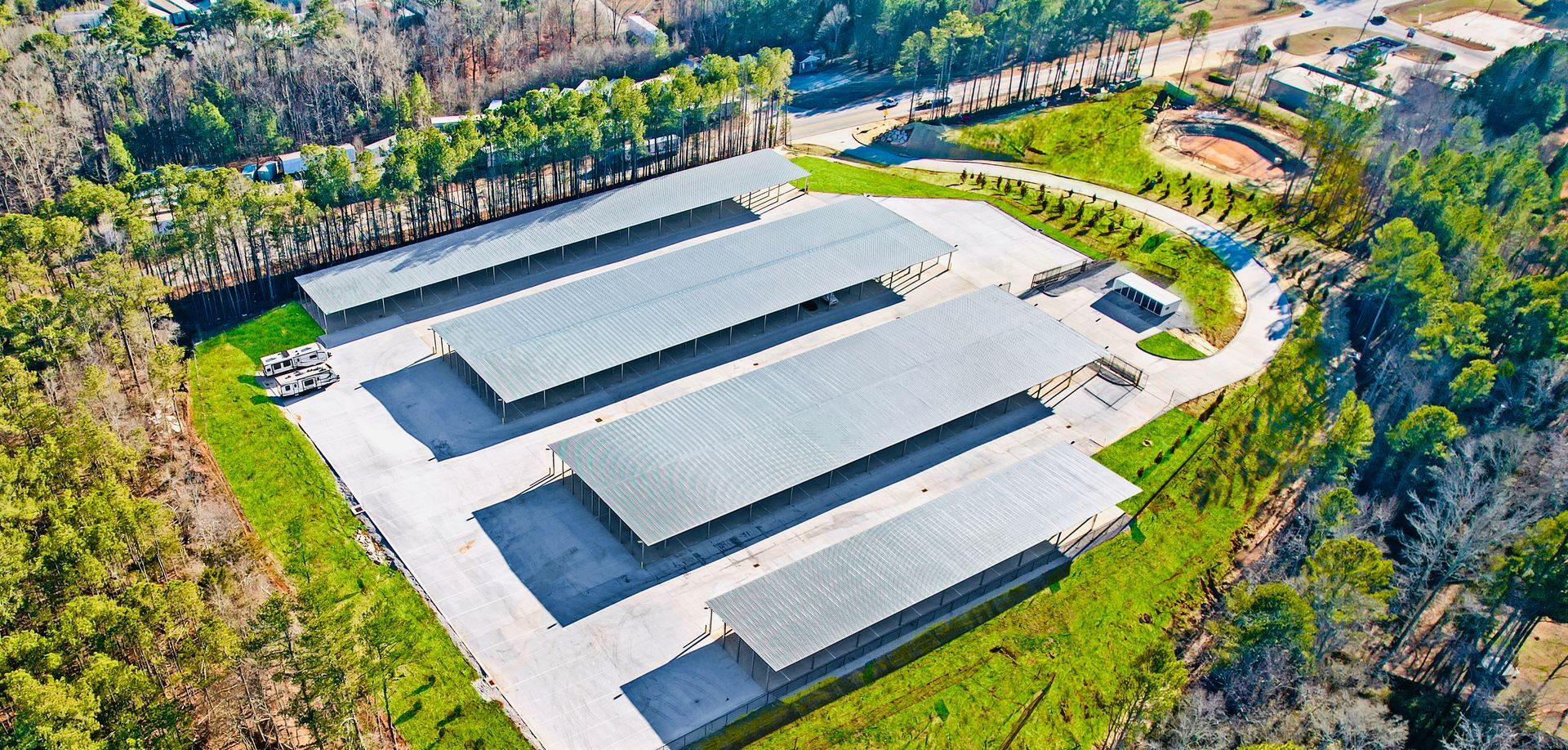
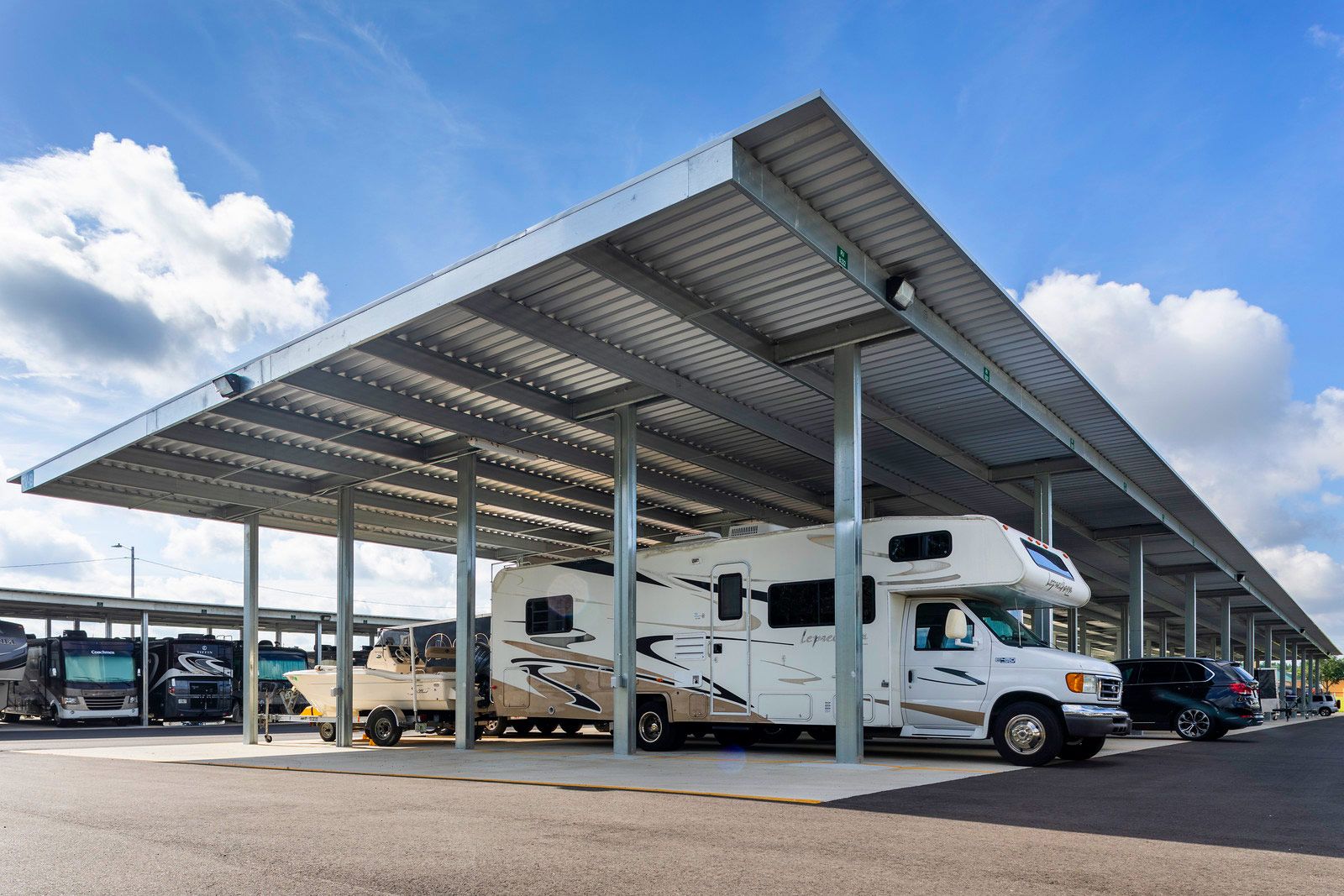
Oxford RV Storage offers outdoor storage for cars, RVs, boats, and trailers, as well as covered options for those who want additional protection. The facility provides gated access and security measures, but the weather exposure inherent to outdoor storage requires owner preparation.
If you're storing outdoors at Oxford RV Storage or any facility, the strategies in this article help minimize damage and keep your vehicle in good condition.