How Heat Affects Stored Cars in Atlanta
Atlanta summers don't just feel hot—they cook stored vehicles. When ambient temperatures hit 95°F (common June through August), the temperature inside a parked car exceeds 140°F. Under direct sun, interior surfaces can reach 170-200°F. This heat causes damage that accumulates invisibly until it suddenly becomes expensive.
The Temperature Reality
Outside temperature → Inside car temperature:
- 80°F outside → 120-130°F inside
- 90°F outside → 140-150°F inside
- 95°F outside → 150-165°F inside
- 100°F outside → 160-175°F inside
These aren't brief peaks. On a summer day, these temperatures persist for 8-10 hours. Over a storage season, that's hundreds of hours of extreme heat exposure.
What Heat Actually Damages
Dashboard and Interior Plastics
The dashboard takes the worst abuse—it's directly under the windshield, fully exposed to sun-magnified heat.
What happens:
- Plastics become brittle over time
- Cracking develops, especially in textured surfaces
- Color fades and changes
- Adhesives fail, causing delamination
Timeline: Visible cracking after 1-2 summers of continuous exposure. Severe degradation after 3-5 summers.
Repair cost: Dashboard replacement runs $500-2,000 depending on vehicle.
Leather and Vinyl Seats
High heat dries out leather and vinyl, accelerating aging.
What happens:
- Leather loses oils and becomes stiff
- Surface cracking develops
- Dye fades or changes color
- Vinyl becomes brittle and prone to tearing
Timeline: Accelerated wear noticeable after 1-2 years. Severe damage after 3-5 years.
Mitigation: Leather conditioner before storage helps, but can't fully counteract extreme heat.
Rubber Seals and Gaskets
Door seals, window seals, and various gaskets throughout the car contain rubber that heat destroys.
What happens:
- Rubber hardens and loses flexibility
- Seals shrink and crack
- Gaps develop, allowing water and air intrusion
- Eventual seal failure
Timeline: Hardening begins within 1 summer. Functional failure after 2-4 summers.
Repair cost: Full door seal replacement $100-400 per door.
Electronics
Modern cars contain extensive electronics that aren't designed for sustained 150°F+ temperatures.
What happens:
- Accelerated aging of circuit boards
- Battery degradation (both car batteries and lithium batteries in electronics)
- Screen damage on displays
- Sensor degradation
Timeline: Varies widely. Some electronics handle heat well; others fail prematurely.
Fluids
Engine oil, transmission fluid, brake fluid—all degrade faster at high temperatures.
What happens:
- Oil breaks down chemically
- Brake fluid absorbs moisture faster in heat
- Coolant evaporates from reservoir over time
Mitigation: Fresh fluids before storage, check after retrieval.
Tires
Heat accelerates rubber degradation, compounding UV damage.
What happens:
- Sidewall cracking
- Tread compound hardening
- Accelerated flat spot development when sitting
- Reduced tire life
Timeline: Tires that might last 6-7 years normally might only last 4-5 years with heavy heat exposure.
Battery
Heat is harder on batteries than cold. A battery that survives Minnesota winters might die in Georgia summer storage.
What happens:
- Accelerated chemical degradation
- Water evaporation (in conventional batteries)
- Sulfation if battery discharges in heat
- Reduced capacity and lifespan
Timeline: Batteries left in hot stored cars typically lose 1-2 years of life.
Mitigation Strategies
Shade and Covering
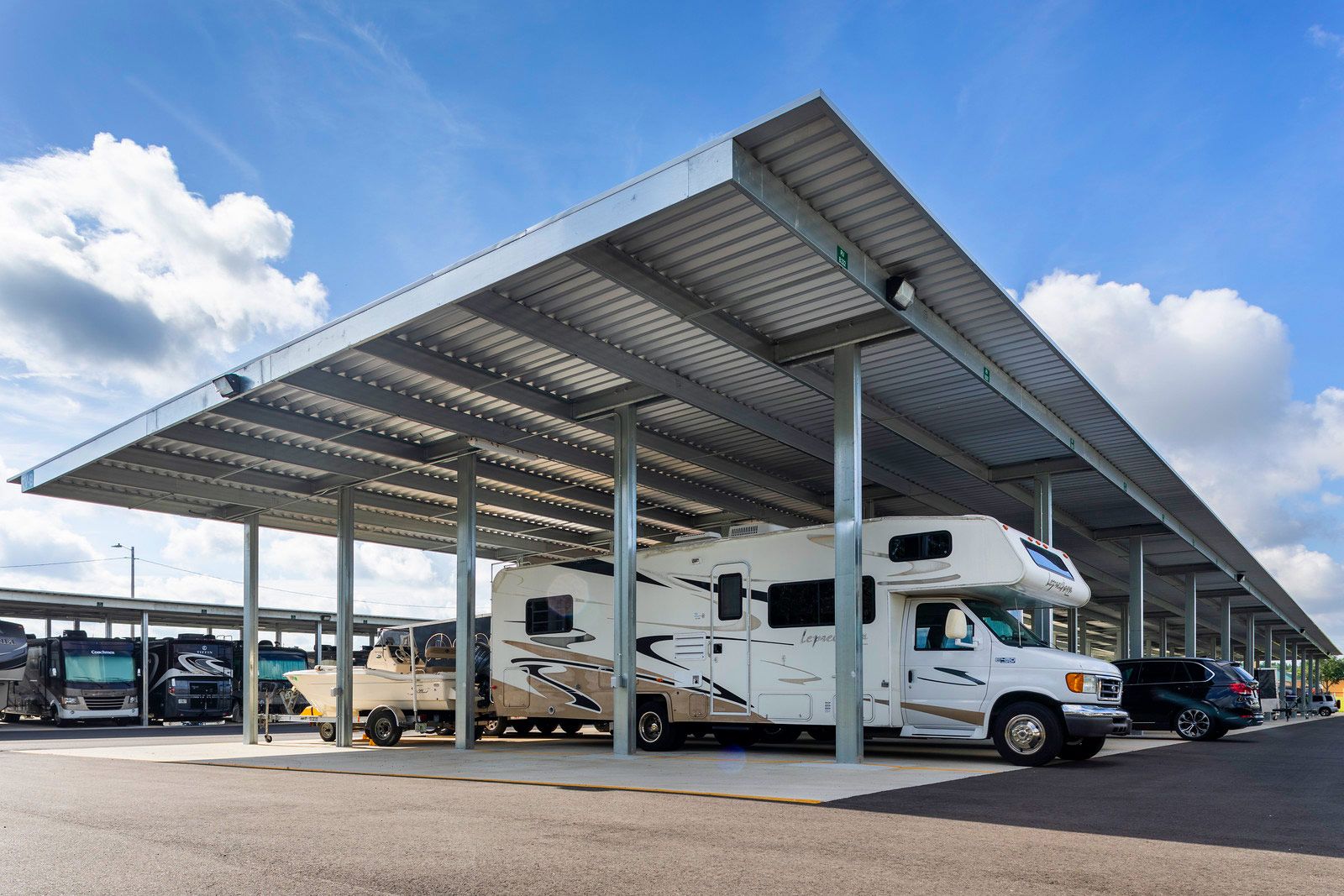
Covered storage eliminates direct sun, significantly reducing interior temperatures. A covered space might see 100-110°F instead of 140-160°F—still hot, but dramatically less damaging.
Car covers with reflective exteriors reduce surface absorption even in outdoor storage.
Windshield Shades
The cheapest effective mitigation. A reflective windshield shade blocks the main heat entry point and can reduce dashboard temperatures by 40-50°F.
Cost: $20-50
Effectiveness: Significant for dashboard and front seat protection.
Window Tinting
If your car isn't already tinted, quality ceramic tint blocks significant heat. Legal tint levels (35% front, 15-32% back depending on state) can reduce interior temps by 20-40°F.
Cost: $200-500 for quality ceramic tint
Partial Ventilation
Cracking windows slightly allows hot air to escape, reducing peak interior temps. This only works in secure, covered storage where rain and security aren't concerns.
Risk: Introduces dust, pollen, and potential pest entry.
Battery Management
Remove the battery or use a quality maintainer. Heat + discharged batteries = rapid destruction.
Strategic Timing
If you only need to store for part of the summer, early summer (June) or late summer (September) is less brutal than July-August peak heat.
Storage Type Comparison for Heat
Outdoor uncovered: Maximum heat exposure. Interior temps 150-170°F on hot days. All degradation accelerated.
Covered storage: Significantly reduced. Interior temps 100-120°F. Still hot, but manageable.
Indoor (non-climate-controlled): Better than covered, but metal buildings get hot. Interior temps 90-110°F in summer.
Climate-controlled indoor: Maintains 70-75°F regardless of outside temperature. Eliminates heat damage entirely.
The cost progression matches the protection level. For most vehicles, covered storage with proper preparation provides adequate protection against heat damage.
Oxford RV Storage and Heat
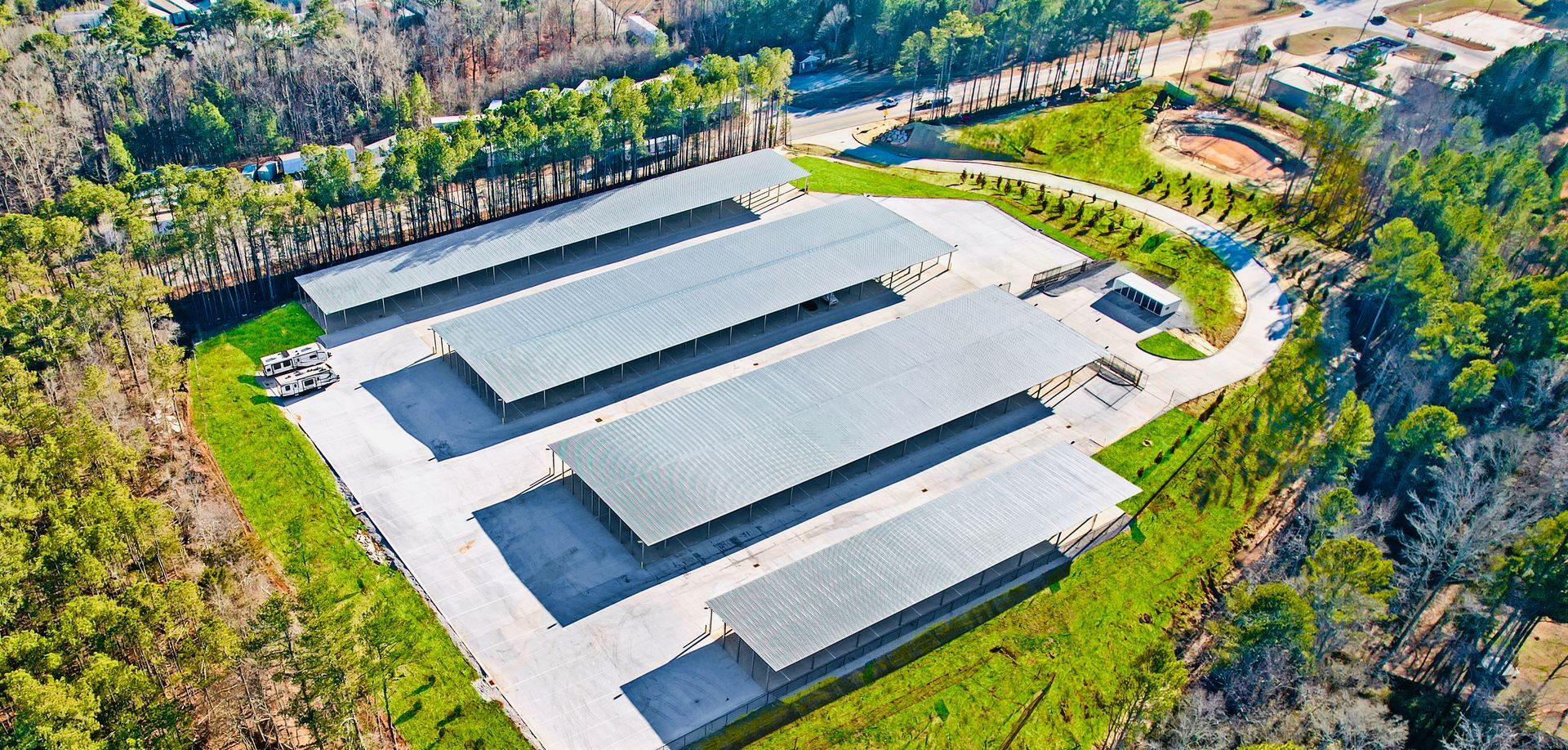
Oxford RV Storage offers covered storage options that provide significant heat reduction compared to open outdoor storage. For vehicles where heat damage is a concern, covered storage is worth the modest premium over uncovered.
Summer in Georgia is unavoidable. The question is whether you manage heat exposure proactively or deal with the repair costs later.