How Climate Control Protects Stored Vehicles in Georgia
Georgia's climate creates specific challenges for stored vehicles that climate control directly addresses. Understanding what climate control actually does—and what it doesn't—helps you decide whether the significant cost premium is justified for your situation.
Georgia's Climate Challenges
Heat
Summer in Georgia means:
- 90-100°F ambient temperatures for months
- 140-170°F inside parked vehicles
- Continuous thermal stress on materials
What heat damages:
- Interior plastics (cracking, warping)
- Leather and vinyl (drying, cracking)
- Rubber seals (hardening, shrinking)
- Electronics (accelerated aging)
- Batteries (shortened lifespan)
Humidity
Georgia averages 70%+ relative humidity much of the year.
What humidity damages:
- Causes condensation on metal surfaces
- Promotes rust and corrosion
- Enables mold and mildew growth
- Damages leather and fabric
- Affects electrical connections
Temperature Cycling
Georgia weather swings—hot days, cooler nights, seasonal transitions.
What cycling damages:
- Expansion and contraction stress materials
- Creates condensation as temperatures shift
- Accelerates wear on seals and gaskets
What Climate Control Actually Does
True climate control manages both temperature and humidity within a controlled building.
Temperature Management
Typical maintained range: 55-75°F year-round
What this provides:
- Eliminates extreme heat (no 140°F interiors)
- Prevents freeze risk in rare cold snaps
- Maintains consistent conditions
- Reduces material stress from cycling
Humidity Management
Typical maintained range: 40-50% relative humidity
What this provides:
- Prevents condensation
- Inhibits mold and mildew
- Protects against corrosion
- Preserves leather and fabric
The Combination Effect
Temperature and humidity control together create a stable environment where:
- Materials age at normal rates rather than accelerated rates
- Corrosion processes are minimized
- Mold and mildew cannot establish
- Vehicles emerge from storage in essentially the same condition they entered
What Climate Control Doesn't Do
It's Not Magic
Climate control slows aging—it doesn't stop it. Rubber still degrades, just more slowly. Fluids still need changing. Batteries still die over time.
It Doesn't Replace Maintenance
A climate-controlled car still needs:
- Battery management
- Proper fluids
- Periodic checks
- Appropriate preparation before storage
It Doesn't Address Mechanical Issues
Engine problems, brake issues, transmission concerns—climate control does nothing for these. Mechanical systems still need attention.
It Doesn't Guarantee Perfect Condition
If you store a car with existing problems (small leaks, worn seals, marginal tires), climate control doesn't fix them. It just prevents the environment from making them worse.
The Cost Reality
Premium Pricing
Climate-controlled vehicle storage in Georgia typically costs:
- $200-500/month for cars
- $300-600+/month for large RVs
- Often 100-200% more than equivalent covered storage
Annual Cost
At $300/month, climate-controlled storage costs $3,600/year.
Over 5 years: $18,000
This is a significant investment that needs to make sense for what you're storing.
When Climate Control Is Worth It
High-Value Collector Cars
A $150,000 classic car with original paint and interior is worth protecting. The storage cost is a small percentage of the car's value, and condition preservation affects resale/insurance value significantly.
Exotic and Luxury Vehicles
Cars with exotic materials (Alcantara, rare leathers, carbon fiber) benefit from stable conditions. Replacement costs for damaged exotic materials are extreme.
Very Long-Term Storage
If you're storing for years (estate situations, overseas relocation, extended deployments), cumulative protection compounds. What wouldn't matter for 6 months matters a lot for 5 years.
Vehicles with Specific Vulnerabilities
Cars with:
- Irreplaceable original interiors
- Documented original paint
- Sensitive electronics
- Custom upholstery
These benefit from climate control's protective effects.
When Climate Control Isn't Worth It
Modern Daily Drivers
A 2019 Toyota Camry was designed to survive Houston and Phoenix parking lots. It doesn't need Georgia climate control. Good covered storage is entirely adequate.
Frequently Used Vehicles
If you're taking the car out monthly, you're already checking on it and maintaining it. Climate control's incremental benefit is minimal compared to regular use and attention.
Budget-Limited Situations
If climate control means you can't afford proper storage at all, standard covered storage is dramatically better than the alternative.
Vehicles Without Special Value
A 15-year-old truck doesn't benefit meaningfully from climate control. It's already been through 15 years of Georgia weather. Preserve your budget for something that makes a difference.
Alternatives to Climate Control
If true climate control isn't available or affordable:
Quality Covered Storage + Preparation
- Eliminates UV and hail
- Use moisture absorbers inside vehicle
- Battery maintainer
- Periodic checks
- Provides 60-70% of climate control's benefits at 30-40% of the cost
Indoor Non-Climate Storage
- Enclosed building without active HVAC
- Better than outdoor, not as good as climate-controlled
- Reduces temperature extremes somewhat
- Still subject to humidity
Availability in the Atlanta Area
True climate-controlled vehicle storage is relatively rare. Most facilities offering "climate control" are actually offering enclosed indoor storage without active temperature/humidity management.
Where to find genuine climate control:
- Specialty collector car storage facilities
- Premium exotic car storage
- Some high-end RV storage facilities
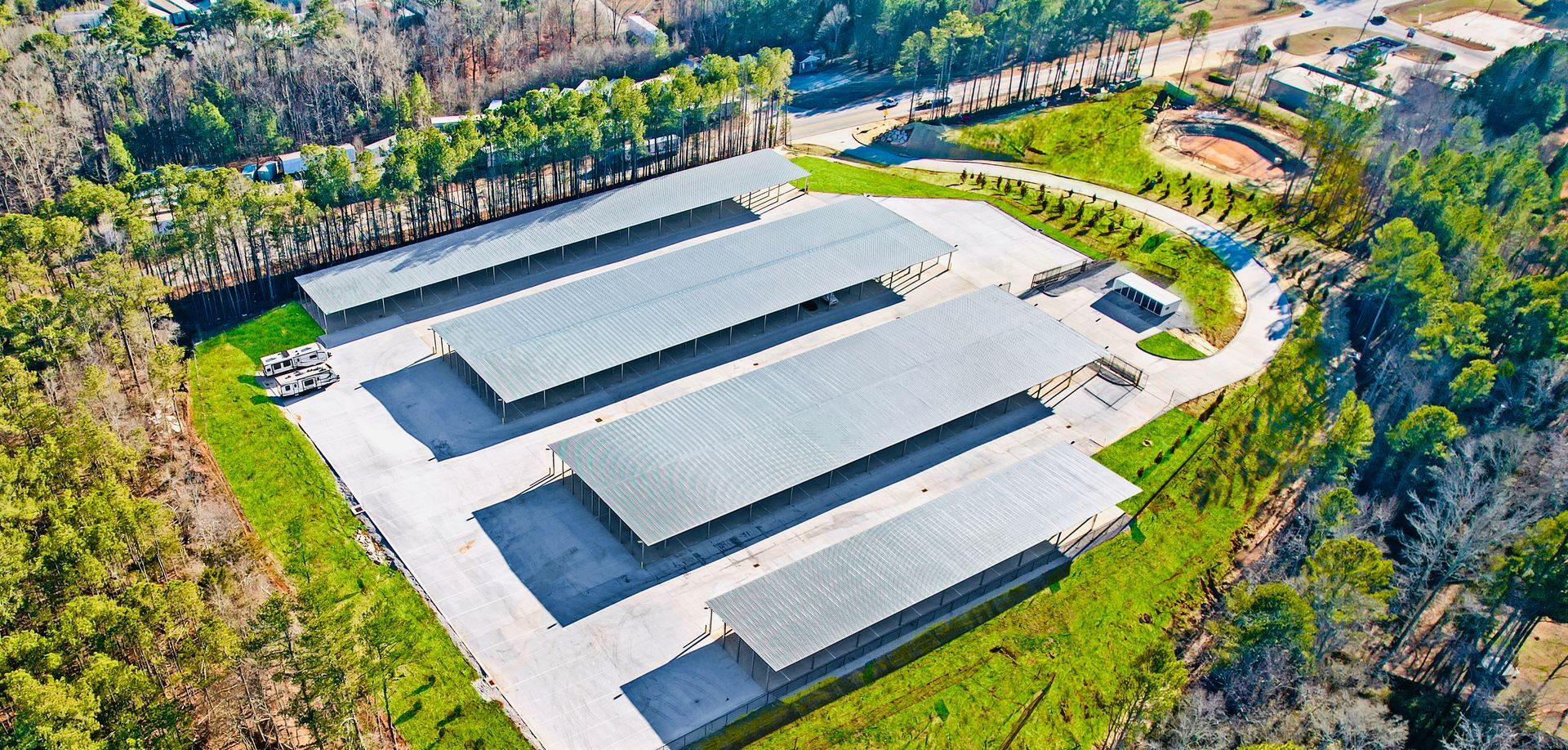
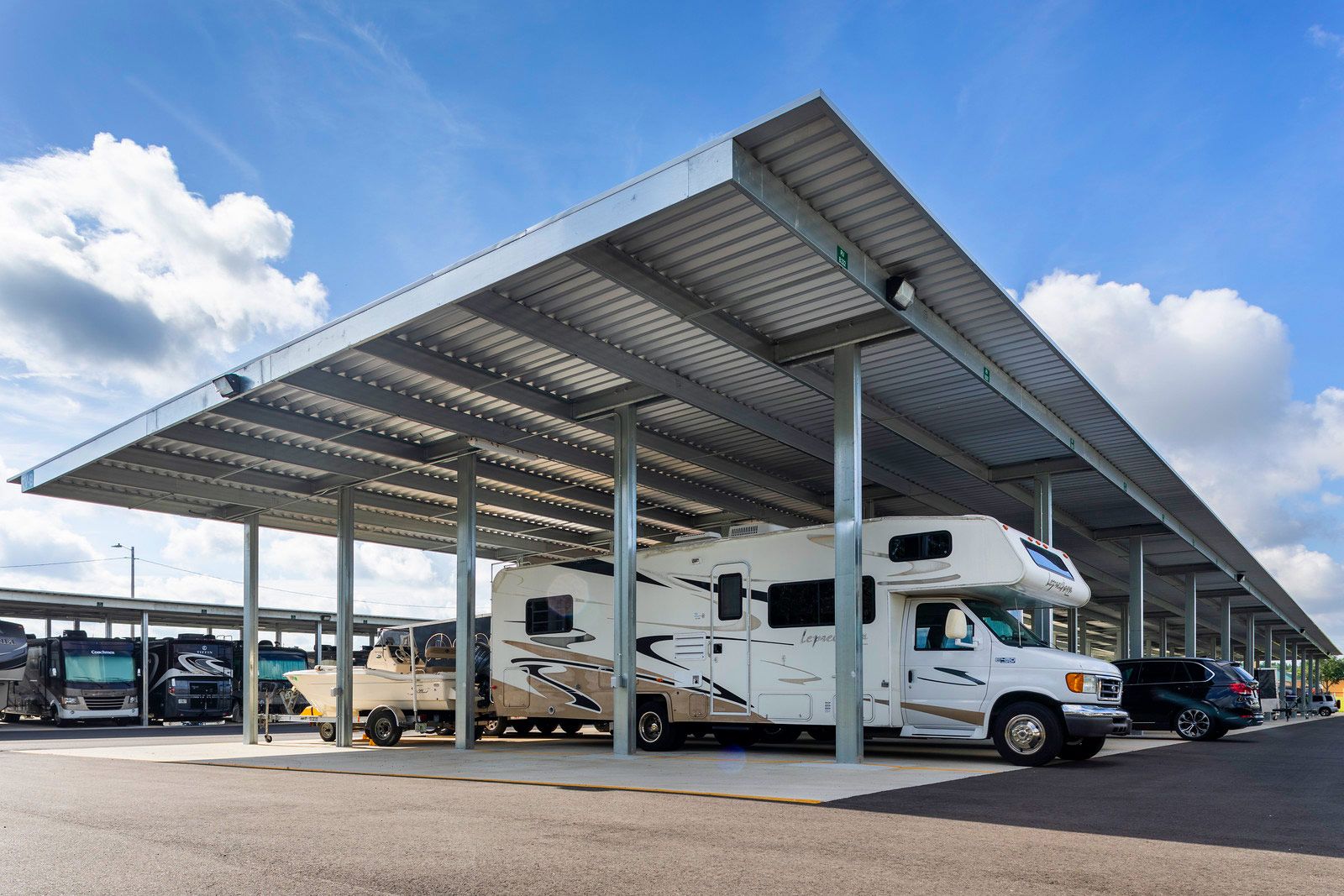
Standard RV and vehicle storage facilities (including Oxford RV Storage) typically offer outdoor and covered options, not true climate-controlled storage.
For most vehicles, covered storage with proper preparation provides excellent protection. Climate control is a premium option for premium vehicles and special circumstances.