Why Gated Storage Lots Matter for Atlanta Vehicle Owners
A gate is the most basic security feature any vehicle storage facility should have, yet it's also one of the most misunderstood. A working gate with proper access control is fundamentally different from an open lot—but a broken or poorly managed gate provides false security. Here's what actually matters.
What Gates Actually Do
Create a Barrier
Physical barrier:
- Prevents casual entry by unauthorized people
- Forces criminals to make a more visible effort
- Defines a clear boundary
Psychological barrier:
- Signals "this is private property"
- Increases perceived risk for would-be thieves
- Distinguishes from public parking
Enable Access Control
Who can enter:
- Only people with codes/credentials
- Access can be revoked for former customers
- Visitors can be managed
When they can enter:
- Access hours can be enforced
- Off-hours access can be restricted
- Activity patterns can be monitored
Provide Documentation
Access logging:
- Who entered and when
- Pattern analysis for unusual activity
- Evidence if something happens
Gate Types for Vehicle Storage
Slide Gates
Most common for vehicle storage facilities.
How they work: Gate slides horizontally along a track
Advantages:
- Can span wide openings
- Durable for heavy use
- Relatively low maintenance
Disadvantages:
- Requires clear space along fence line
- Track can accumulate debris
- Motor/mechanism can fail
Swing Gates
Less common but seen at some facilities.
How they work: Gate swings open like a door
Advantages:
- Simple mechanism
- No track to maintain
Disadvantages:
- Requires clear swing space
- Can be affected by wind
- Usually narrower openings
Barrier Arms
Typically combined with other gates.
How they work: Arm lifts to allow entry
Advantages:
- Fast operation
- Allows high throughput
Disadvantages:
- Easy to bypass (duck under)
- Not a true barrier
- Usually supplement to main gate
Access Control Methods
Keypad Entry (Most Common)
How it works: Enter personal code to open gate
Advantages:
- Individual codes for each customer
- Easy to change/revoke access
- No physical key to lose
Considerations:
- Codes can be shared
- Must be regularly updated for security
- Requires customer to remember code
Key Card/Fob
How it works: Present card/fob to reader
Advantages:
- Harder to share than code
- Easy access tracking
- Can be deactivated immediately
Considerations:
- Cards can be lost
- Replacement cost
- Technology can fail
App-Based Access
How it works: Smartphone opens gate via app
Advantages:
- Convenient (phone always with you)
- Easy tracking and management
- Can include additional features
Considerations:
- Requires smartphone
- Needs cell signal
- Technology dependent
What Makes a Gate Effective
Proper Function
Must work consistently:
- Opens when valid code entered
- Closes automatically after entry
- Doesn't get stuck open
Maintenance matters:
- Regular service
- Prompt repair of issues
- Clear management responsibility
Actually Closes
Critical: A gate that stays open provides zero security.
Watch for:
- Gates propped open "for convenience"
- Gates that are frequently stuck
- Slow closing that allows tailgating
Proper Management
Good practices:
- Unique codes for each customer
- Codes changed when customers leave
- Access logs reviewed
- Issues addressed quickly
Bad practices:
- Shared codes
- Never-changed codes
- No tracking of access
- Ignored problems
Gates in Atlanta's Context
Why It Matters Here
Atlanta's metro area has:
- Higher property crime rates than national average
- Significant vehicle theft
- Catalytic converter theft epidemic
- RV and trailer break-ins
A properly secured gate isn't overkill—it's appropriate.
Location Variation
Inside Perimeter: Higher crime rates make gate security more important
Suburbs: Variable crime rates, but gates still matter
Outer suburbs/rural: Lower crime, but gates still provide baseline security
Evaluating Gate Security
During Your Visit
Test the gate:
- Enter your code—does it work smoothly?
- Does the gate close behind you?
- How long until it closes?
Observe:
- Is the gate in good repair?
- Is there damage or wear?
- Could you easily bypass it?
Questions to Ask
- "How does gate access work?"
- "Do I get my own code?"
- "What happens if I forget my code?"
- "When was the gate last serviced?"
- "Has anyone bypassed the gate? What happened?"
Red Flags
- Gate frequently open when you visit
- Gate mechanism obviously damaged
- Shared codes among customers
- Staff dismissive about gate issues
- No clear process for access management
Beyond the Gate
A gate is necessary but not sufficient. Good security includes:
Fencing: Complete perimeter with no gaps
Lighting: Adequate throughout facility
Cameras: Coverage of key areas
Management: Active oversight and responsiveness
Oxford RV Storage Gate Security
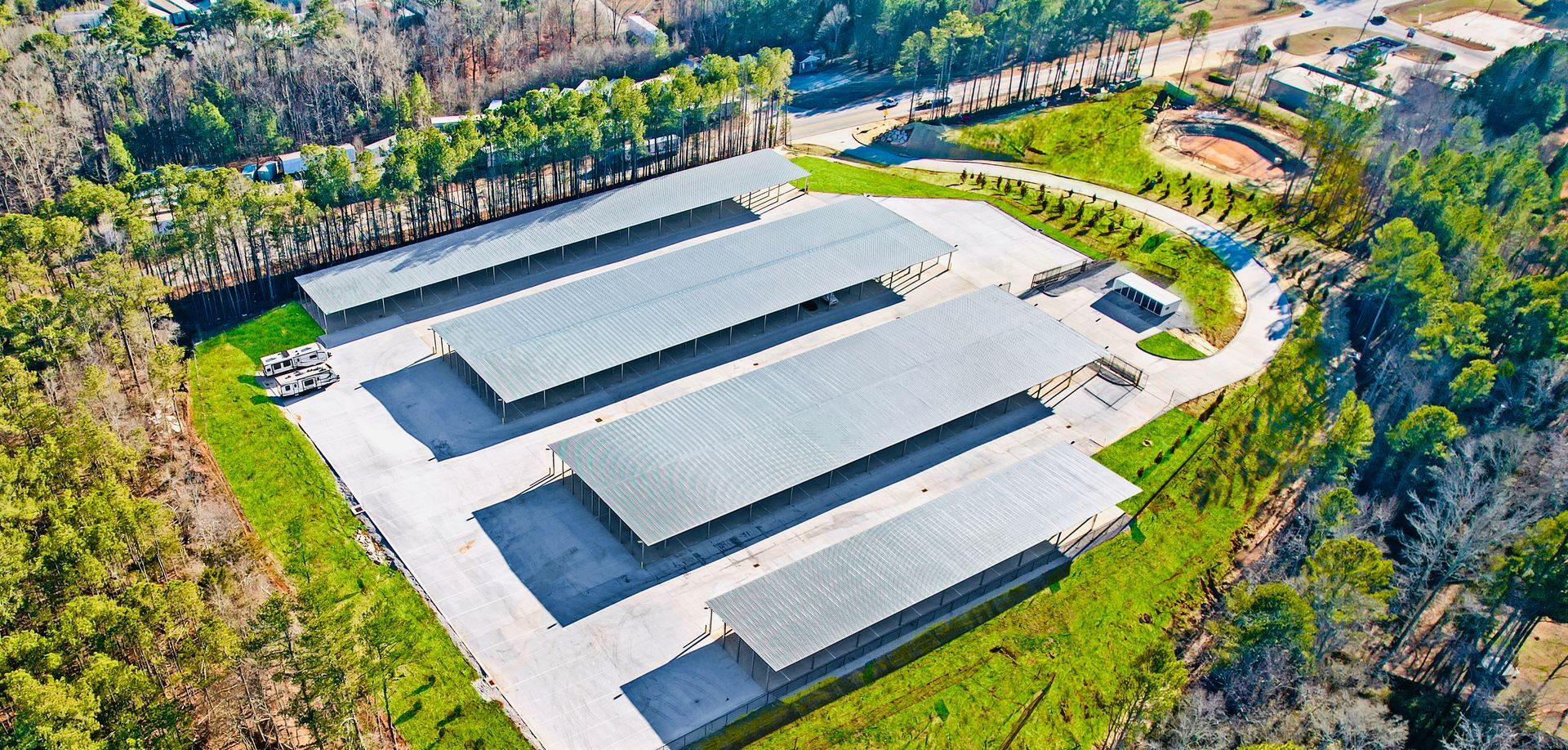
Oxford RV Storage features gated access with:
- Individual access codes for each customer
- Automatic closing
- Integration with overall facility security
The gate is part of a security approach that includes perimeter fencing, lighting, and camera coverage.