Which Atlanta Storage Facilities Offer the Best Security
Every storage facility claims "excellent security." Few actually explain what that means. Security for vehicle storage isn't about one impressive feature—it's about layers that work together to deter, detect, delay, and document any threats to your vehicle.
Understanding Security Layers
Deterrence
Goal: Make criminals choose an easier target.
What works:
- Visible fencing and gates
- Adequate lighting
- Visible cameras
- Signs indicating security measures
- Professional appearance (suggests active management)
What doesn't:
- "Security" signs with no actual measures
- Unmaintained appearance (signals neglect)
Detection
Goal: Identify intrusions or problems quickly.
What works:
- Functioning cameras with coverage
- Motion sensors or alerts
- Regular patrols or management presence
- Customers who report suspicious activity
What doesn't:
- Cameras that don't record
- Cameras with blind spots
- No one monitoring or reviewing footage
Delay
Goal: Slow down intrusion to allow response.
What works:
- Solid fencing (not easily cut or climbed)
- Secure gates that don't easily bypass
- Locked individual units (where applicable)
What doesn't:
- Chain-link that can be cut in seconds
- Gates that can be forced open
- Easy pedestrian access points
Documentation
Goal: Provide evidence if something happens.
What works:
- Cameras that record (with adequate retention)
- Access logs showing who entered when
- Inventory documentation
What doesn't:
- Cameras that don't save footage
- No access tracking
- No records of what was stored
Evaluating Specific Features
Fencing
Good fencing:
- 6-8 feet high minimum
- No easy handholds for climbing
- Complete perimeter coverage
- Good condition with no gaps
- Secure attachments to posts
Better:
- Topped with barbed wire, razor wire, or angled extensions
- Heavy-gauge material
Warning signs:
- Damaged sections not repaired
- Gaps at ground level
- Easy-to-climb design
Gates
Good gates:
- Commercial-grade construction
- Closes automatically
- Requires individual codes
- Functions reliably
Better:
- Access logging (records who enters when)
- Time-restricted access
- Integrated camera coverage
Warning signs:
- Frequently stuck open
- Shared codes
- Easy to bypass or tailgate
Lighting
Good lighting:
- Coverage throughout the facility
- Working fixtures maintained
- Adequate brightness
- Automatic (dusk-to-dawn)
Better:
- Motion-activated in key areas
- No dark corners or blind spots
Warning signs:
- Burnt-out bulbs not replaced
- Large dark areas
- Inadequate placement
Cameras
Good cameras:
- Coverage of entry/exit points
- Coverage of main storage areas
- Actually recording (not just for show)
- Reasonable video retention (30+ days)
Better:
- High-definition footage
- Night vision capability
- Remote viewing by management
- Motion-triggered alerts
Warning signs:
- Obviously fake cameras
- Cameras pointed at nothing useful
- "We have cameras" with no proof of recording
Management Presence
Good:
- Staff on-site during business hours
- Responsive to calls
- Regular facility checks
Better:
- On-site staff extended hours
- Active monitoring of cameras
- Quick response to issues
Warning signs:
- No one ever answers phone
- Never see staff
- Problems go unaddressed
How to Assess Security Yourself
Before Visiting
Ask directly:
- "What security features do you have?"
- "Do your cameras record? For how long?"
- "Has the facility had break-ins?"
- "What happens if someone breaks in?"
Listen for:
- Specific answers vs. vague claims
- Willingness to discuss vs. deflection
During Your Visit
Observe:
- Fence condition around entire perimeter
- Gate operation (does it close properly?)
- Lighting (adequate coverage?)
- Camera placement (are they positioned usefully?)
- Overall maintenance (neglect extends to security)
Test:
- Does the gate require your code to open?
- Does it close behind you?
- Could you easily bypass it?
Ask yourself:
- Would I feel comfortable leaving my vehicle here?
- Would a criminal choose this place as an easy target?
Security vs. Security Claims
Marketing Language
Common claims that may mean little:
- "24/7 security" (may just mean cameras exist)
- "Secure facility" (subjective, undefined)
- "State-of-the-art security" (compared to what?)
Real Indicators
What actually matters:
- Specific features you can verify
- Fence, gate, lighting you can see
- Camera systems you can confirm record
- Management responsiveness you can test
Location and Security
Security also includes the broader environment:
Neighborhood factors:
- Crime rates in the surrounding area
- Visibility from road (deterrent or invitation?)
- Police response time
- Adjacent properties
Inside I-285: Higher property crime rates generally Outer suburbs: Often lower crime, but varies by specific location
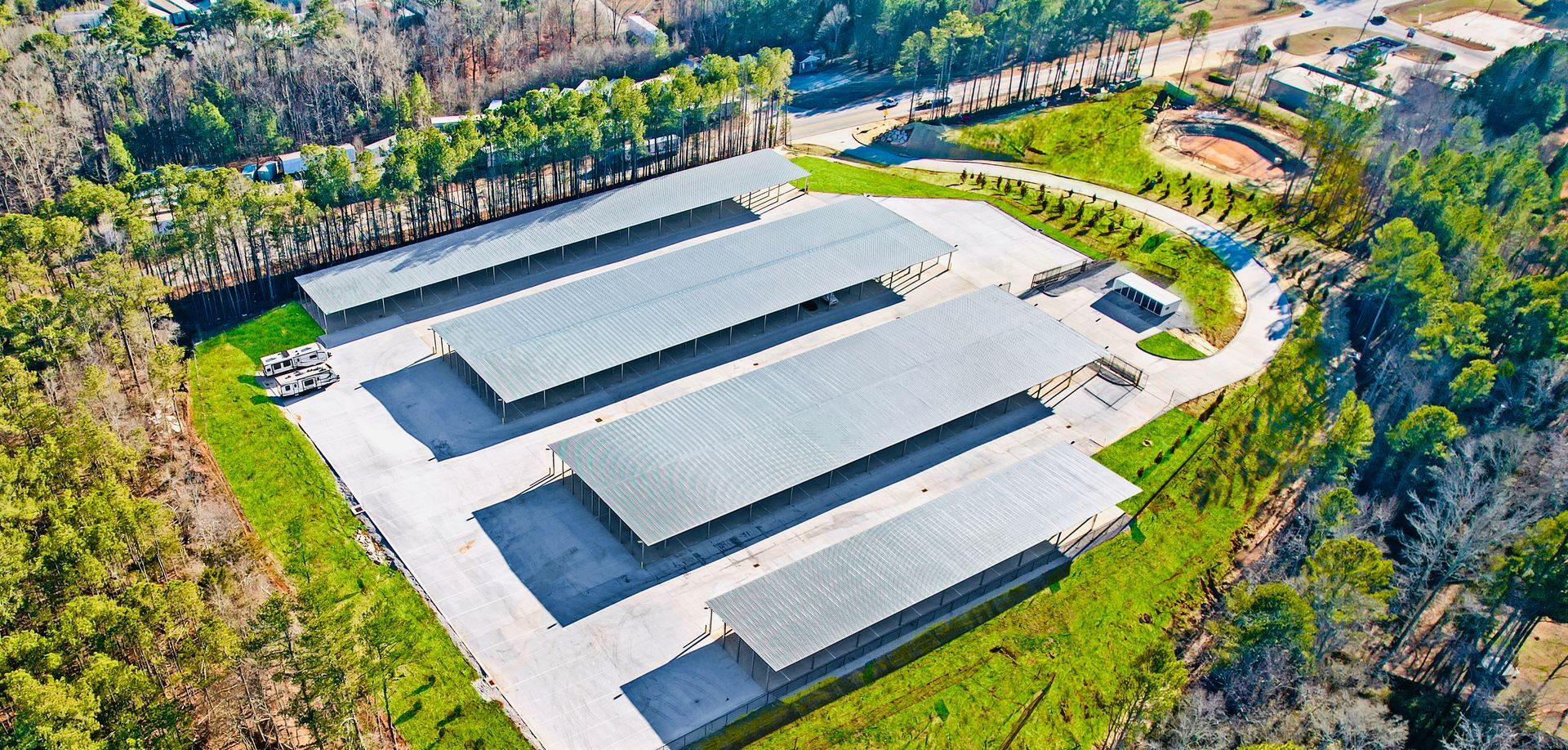
Oxford RV Storage Security
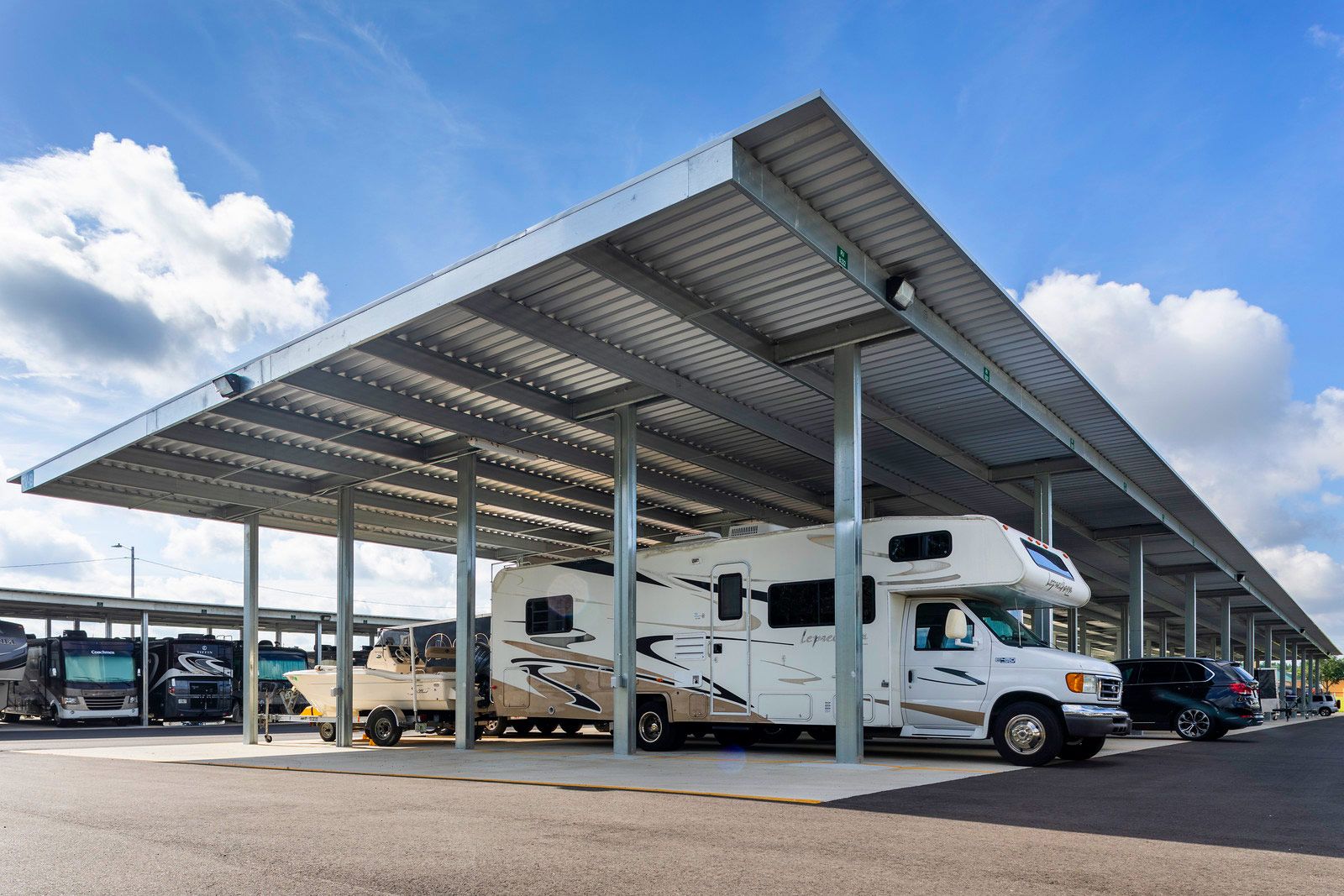
Oxford RV Storage provides security layers appropriate for vehicle storage:
- Perimeter fencing
- Gated access with individual codes
- Lighting throughout facility
- Camera coverage
The facility's location in Oxford (Newton County) is in a lower-crime-rate area than inner Atlanta, adding environmental security advantage.
Evaluate security for yourself during a visit—don't rely on claims alone.