RV Storage Tips for Georgia Summers and Winters
Georgia's climate creates specific challenges for RV storage that differ from both northern states (where you're protecting against hard freezes) and coastal areas (where salt air is the enemy). Here, you're managing heat, humidity, UV exposure, and the occasional winter cold snap—plus thunderstorm season that can dump hail or blow through with 60+ mph winds.
Summer Storage: The Heat Problem
Georgia summers routinely hit 95°F+ ambient, which means 140-170°F inside a closed RV. That heat damages:
Interior materials — Dashboards crack. Vinyl peels. Rubber seals dry and shrink. Leather fades and stiffens. The damage is cumulative and largely irreversible.
Electronics — Your stereo, backup cameras, and any smart RV systems weren't designed for sustained 150°F temperatures. Most will survive occasional heat exposure, but months of it accelerates aging.
Batteries — Heat is the enemy of lead-acid batteries. A battery that might last 5-6 years in moderate conditions might die in 2-3 years if baking all summer.
Tires — Rubber degrades faster in heat. Combined with UV exposure, summer storage on tires is particularly hard on sidewalls.
Summer Prep Checklist
- Maximize ventilation if possible — Roof vent covers that allow airflow while keeping rain out can reduce interior temps by 10-20°F. Every degree helps.
- Use reflective windshield and window covers — The dash area takes the worst abuse. Blocking direct sun through the windshield makes a noticeable difference.
- Cover tires — UV and heat both attack rubber. Tire covers block both.
- Remove sensitive items — Anything that shouldn't bake (medications, certain electronics, pressurized containers) should come out.
- Check battery water levels (if applicable) — Heat evaporates battery water faster. Top off before storage and check monthly if you can.
- Run the AC monthly if possible — Air conditioning systems that sit completely unused can develop seal problems. A monthly run keeps things lubricated.
- Open cabinet doors and drawers — Allows air circulation and prevents moisture buildup in enclosed spaces.
The Humidity Factor
Georgia's humid summers create a moisture management problem. Humid air inside a closed RV leads to mold, mildew, and musty smells—sometimes within weeks.
Use moisture absorbers — DampRid or similar products in closets, bathrooms, and under mattresses can help. Replace them monthly during summer.
Avoid completely sealing the RV — Some airflow is better than a completely sealed environment, even if it means slightly more dust.
Check for leaks before storing — A small roof leak that drips during rain creates a perfect environment for mold growth. Fix any leaks before summer storage.
Winter Storage: Mild But Variable
Georgia winters are nothing like Minnesota, but they're not uniformly warm either. Atlanta typically sees a few nights per winter that drop into the teens, and pipes can freeze in a single cold night if you're not prepared.
Winter Prep Checklist
- Drain or winterize water systems — This is non-negotiable. Even in Georgia, one overnight freeze can crack pipes, destroy the water heater, or damage the pump.
For occasional sub-freezing temps, you can drain all water and open faucets. For actual winter storage (November-March), full winterization with RV antifreeze is smarter.
- Drain holding tanks — Don't store with waste in your tanks. Period.
- Disconnect and store batteries — Or use a maintainer if you have power access. Winter is easier on batteries than summer, but a dead battery is still useless.
- Check and clean seals — Cold weather can find and exploit any weakness in your roof or window seals. Water that seeps in and then freezes makes small problems big.
- Rodent prevention — Mice look for warm places when it gets cold. Seal any openings, remove all food, and consider mothballs or electronic repellents.
- Fuel stabilizer and full tank — Gasoline degrades over winter months. Stabilizer prevents the worst of it, and a full tank prevents condensation.
Year-Round Maintenance
Regardless of season:
Monthly exterior check — Walk around looking for obvious issues: soft spots on the roof, new cracks in seals, damage to covers, anything unusual.
Run the engine/generator periodically — Systems that sit completely unused develop problems. Monthly runs keep everything lubricated and working.
Check tire pressure — Temperature changes affect tire pressure. Check monthly and maintain proper inflation to prevent flat spots.
Clean before storing — Dirt, bug splatter, and tree sap all damage finishes if left to sit. Clean your RV before storage, not just after use.
Storage Type Matters
Uncovered outdoor storage exposes your RV to everything discussed above. If that's what you have, be extra diligent about prep.
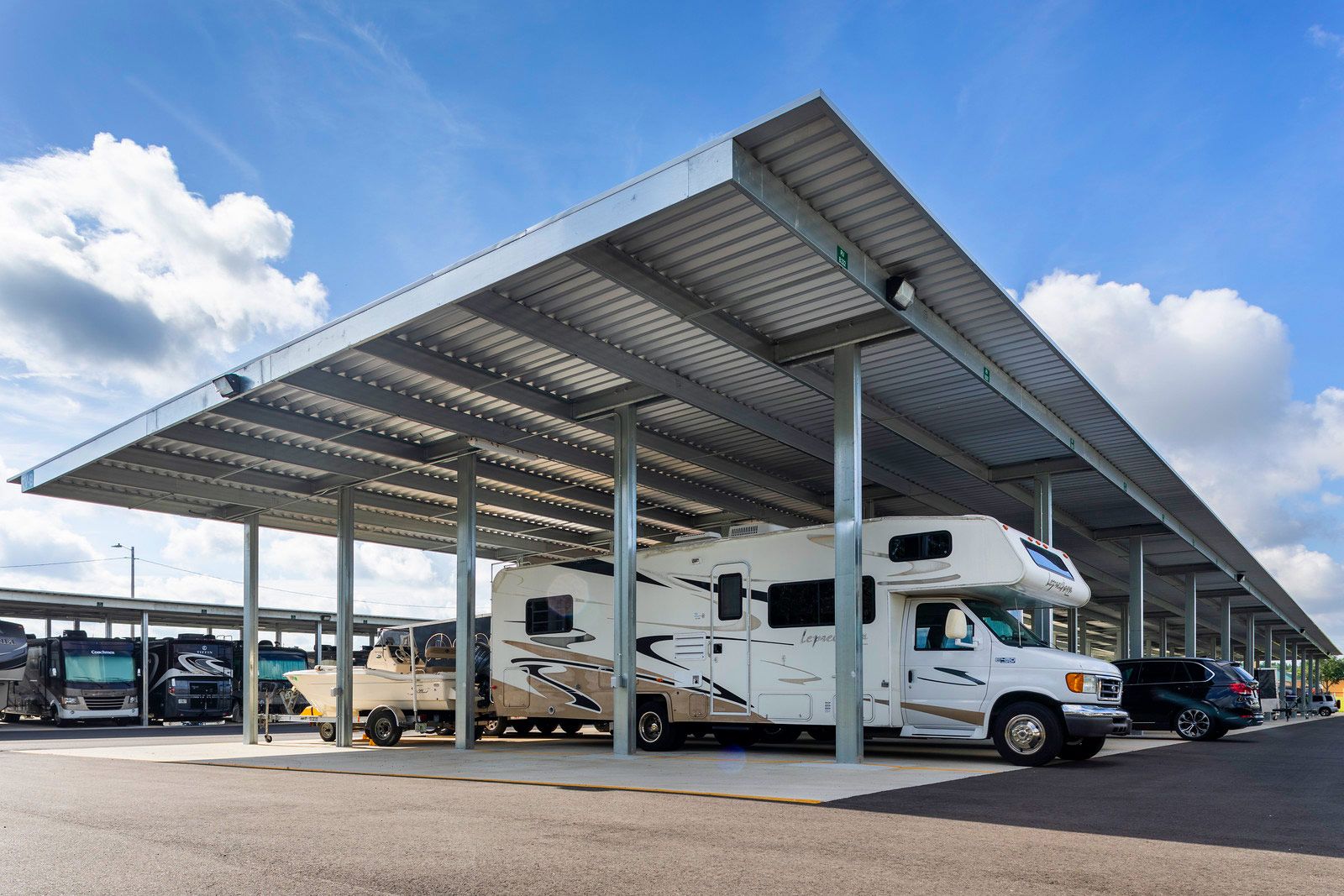
Covered storage eliminates UV and rain, which handles a significant portion of the problem. Still vulnerable to heat and humidity.
Indoor storage addresses most seasonal concerns but isn't immune to temperature and humidity if the building isn't climate-controlled.
Choose your prep level based on your storage type. A fully covered RV needs less intensive UV protection; an indoor-stored RV needs less weather preparation.
Oxford RV Storage
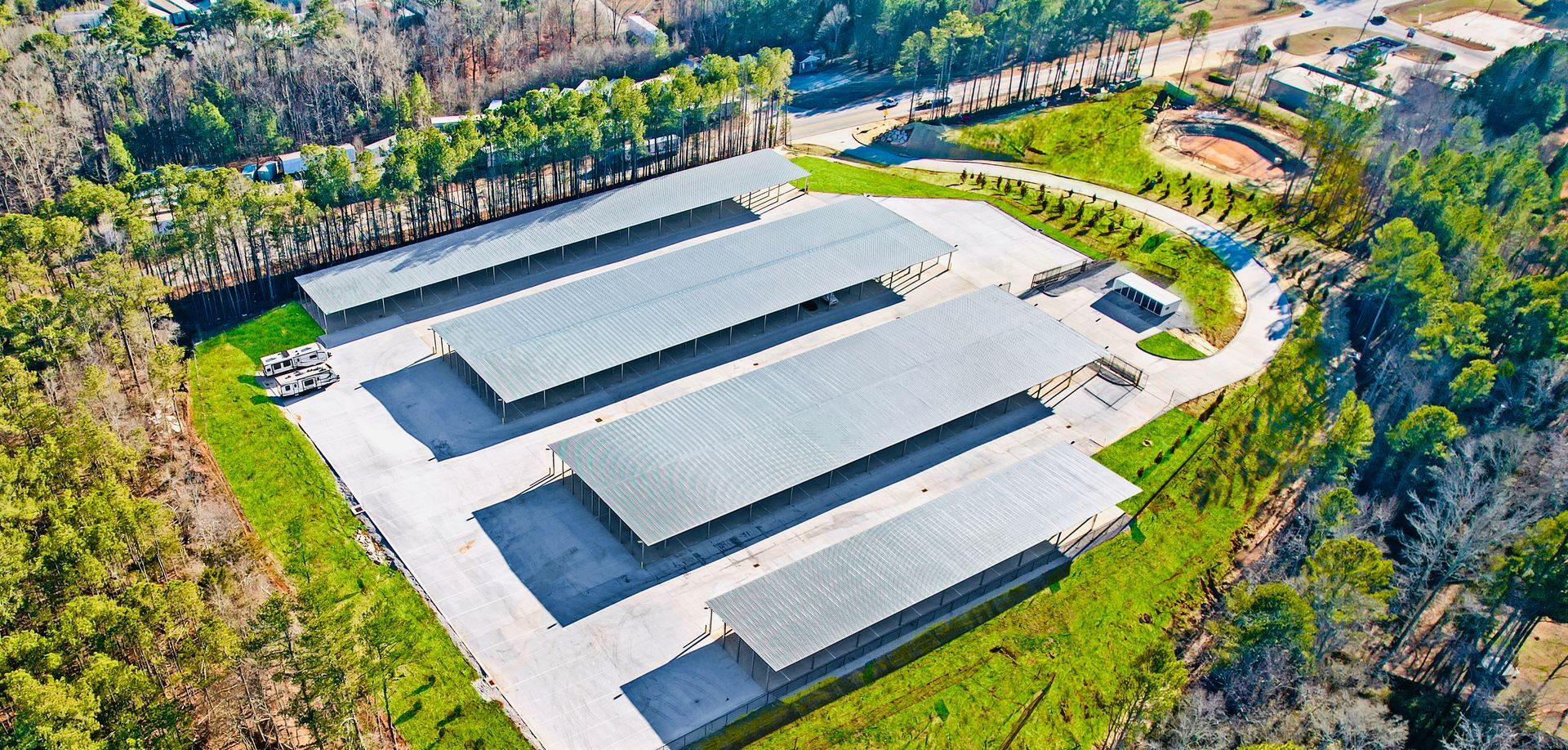
Oxford RV Storage offers outdoor and covered options for RVs in the east Atlanta Metro area. The facility serves RV owners from Conyers, Covington, Stonecrest, and surrounding areas who need seasonal or year-round storage.
Georgia's climate requires ongoing attention regardless of where you store. A good facility provides the space and security; the seasonal prep is on you.