Best Storage Options During Hurricane Season
Atlantic hurricane season runs June through November, with peak activity August through October. While Atlanta is 250+ miles inland and rarely experiences direct hurricane strikes, remnants of tropical systems can bring significant wind, rain, and flooding to the Metro area. Understanding the actual risks helps you prepare appropriately without overreacting.
What Atlanta Actually Faces
Direct Hurricane Strikes
Reality: Extremely rare. Atlanta's inland location means hurricanes weaken significantly before reaching the city. Full-strength hurricane conditions in Atlanta are essentially not a realistic concern.
Tropical Storm Remnants
Reality: Happen every few years. Weakened systems can bring:
- 40-60 mph sustained winds (rarely higher)
- 3-8+ inches of rain in 24-48 hours
- Flooding in vulnerable areas
- Power outages
Recent examples:
- Hurricane Irma remnants (2017): Widespread wind damage, extended power outages
- Tropical Storm Alberto (2018): Significant flooding in some areas
Extended Heavy Rain
Reality: The most common impact. Tropical moisture can stall over the region, producing:
- Multiple inches of rain over several days
- Flash flooding
- Ground saturation (affects drainage for days)
Storage Vulnerabilities During Tropical Weather
Flooding
The primary threat from tropical systems in Atlanta.
Risk factors:
- Low-lying storage facilities
- Poor drainage
- Creeks/streams nearby
- Areas that flood during regular heavy rain
Mitigation:
- Choose facilities with good drainage
- Ask about flood history
- Avoid lowest areas of the lot
- Indoor storage on elevated ground floor
Wind Damage
Less severe than coastal areas, but 40-60 mph winds can still:
- Blow debris
- Topple trees and branches
- Damage poorly maintained structures
Mitigation:
- Covered or indoor storage
- Avoid spaces under/near large trees
- Choose well-maintained facilities
Extended Power Outages
Impact on storage:
- Battery maintainers stop working
- Gate access may fail (manual override needed)
- No lighting at facility
Mitigation:
- Battery maintainer with battery backup
- Know manual gate access procedure
- Flashlight for facility visits
Pre-Hurricane Season Preparation
Assess Your Storage
Questions to ask:
- Has this facility flooded during past tropical weather?
- What's the drainage like during heavy rain?
- How are trees around the property maintained?
- What's the backup plan for gate access during power outages?
Insurance Review
Verify:
- Comprehensive coverage includes flood damage
- Coverage limits are appropriate
- You understand the claims process
- Deductibles are acceptable
Consider:
- Separate flood insurance if comprehensive doesn't fully cover
- Whether coverage is adequate for worst-case scenarios
Vehicle Preparation
If tropical system is forecast:
- Remove valuables from the vehicle
- Check that the car is locked
- Take photos documenting current condition
- Ensure battery maintainer is functioning (or disconnect battery)
- Top off fuel tank (in case you need to evacuate the car quickly)
Storage Type Comparison for Tropical Weather
Outdoor Uncovered
Tropical risk level: Highest
Concerns:
- Full flood exposure
- Wind debris damage
- No structural protection
Appropriate when:
- Facility has proven excellent drainage
- Vehicle is insured and owner accepts risk
- Cost is primary concern
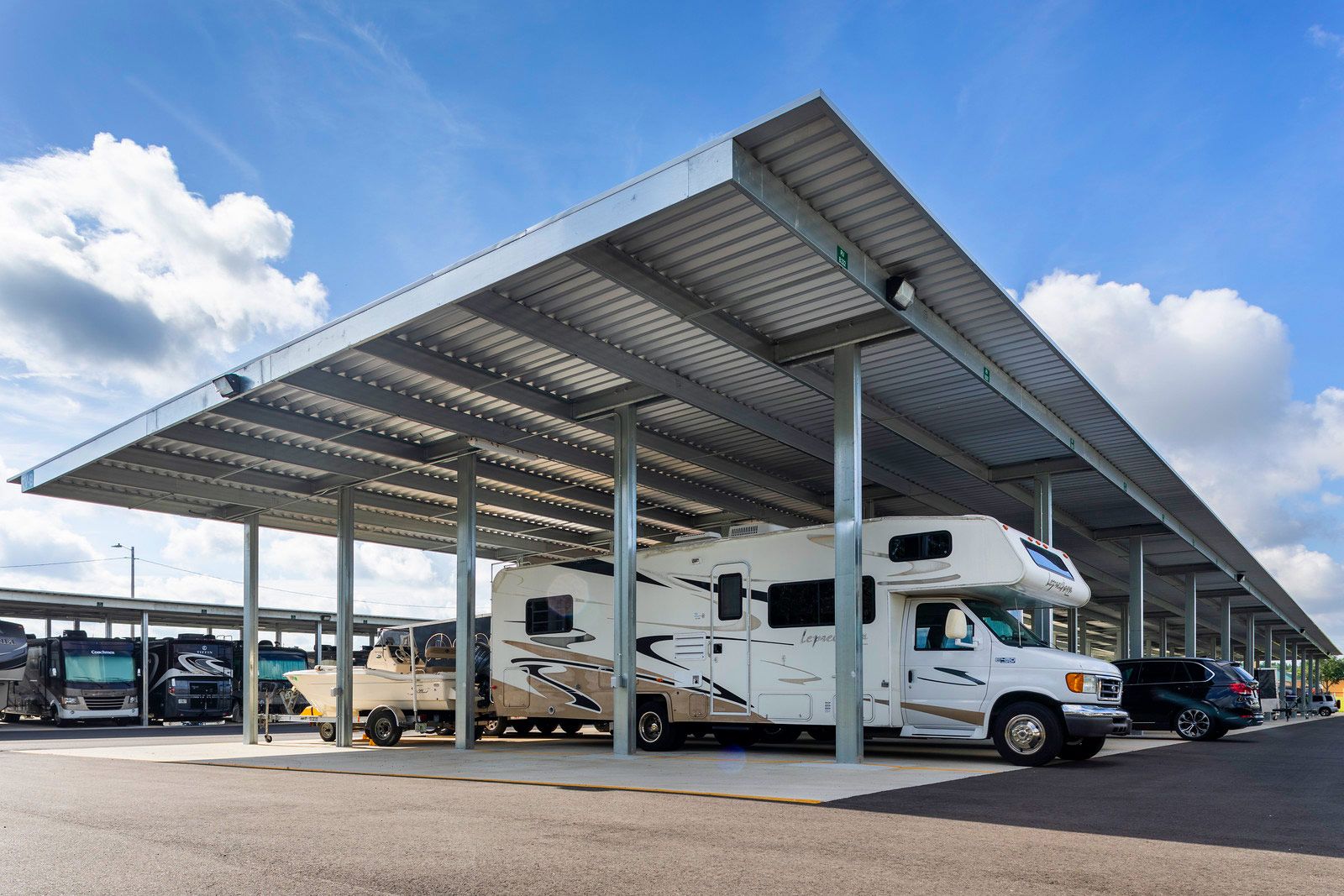
Covered Storage
Tropical risk level: Moderate
Benefits:
- Protection from debris falling from above
- Some rain protection
Limitations:
- Still exposed to flooding
- Wind-driven rain reaches vehicle
- Wind can blow debris under cover
Appropriate when:
- Facility is in a non-flood area
- Primary concern is debris, not flooding
Indoor Storage
Tropical risk level: Lower
Benefits:
- Complete rain/debris protection
- Better flood resistance (depending on building)
- Wind protection
Limitations:
- Ground floor can still flood in extreme events
- Building damage possible in severe storms
Appropriate when:
- Maximum protection is priority
- Building is in appropriate location
When a System Approaches
3-5 Days Out
Monitor:
- Forecast track and intensity
- Predicted rainfall amounts
- Expected wind speeds
Consider:
- Moving vehicle from outdoor to covered/indoor if possible
- Retrieving vehicle if it's essential and you can park it somewhere safer
24-48 Hours Out
Finalize:
- Ensure vehicle is secured
- Remove any items that could become projectiles
- Document vehicle condition with photos
Don't:
- Try to move vehicles at the last minute
- Panic about Atlanta hurricane damage (inland weakening is real)
During the Event
Stay safe:
- Don't visit the storage facility during the storm
- Wait for conditions to improve before assessing
After the Event
Assessment:
- Wait for facility to confirm access is safe
- Document any damage immediately
- Contact insurance promptly if needed
- Check for hidden water damage
The Realistic Perspective
Atlanta's hurricane risk is real but modest. In decades of tropical weather history:
- Significant wind damage is rare
- Flooding is the consistent threat
- Multi-day power outages are the main disruption
Choose storage with good drainage, maintain appropriate insurance, and you're well-prepared for Georgia's hurricane season.
Oxford RV Storage
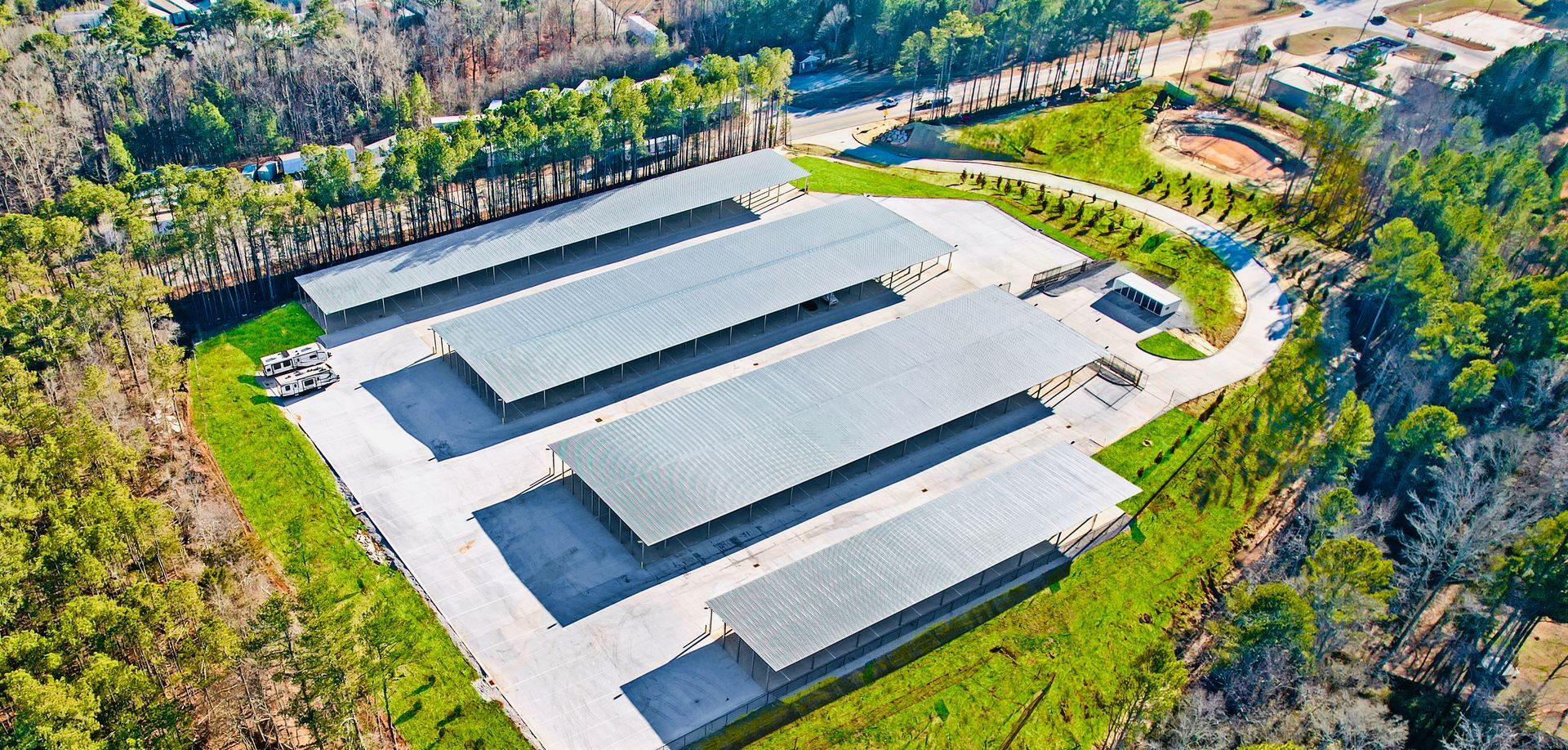
Oxford RV Storage is located inland along I-20—similar hurricane risk profile to the rest of the Atlanta Metro. The facility offers both outdoor and covered storage; covered spaces provide debris protection while drainage determines flood vulnerability.
For tropical season, covered storage at a well-drained facility like Oxford represents a reasonable balance of protection and cost for most vehicles.