Best Places to Store Delivery Vans and Fleet Vehicles in Atlanta
Fleet vehicles—whether delivery vans, box trucks, or service vehicles—have specific storage requirements that differ from personal vehicles or even individual work trucks. Fleet operators need facilities that can handle multiple vehicles, provide consistent access, and understand commercial operations.
Fleet Storage Requirements
Volume and Flexibility
Fleets change. You might have 5 vans today and 8 next month. Storage needs to accommodate:
- Multiple vehicles under one account
- Easy addition and removal of vehicles
- Consistent per-vehicle pricing or volume discounts
- Flexible space arrangements
Operational Access
Fleet vehicles are business tools that need to operate on business schedules:
- Early morning access (before 6 AM for many operations)
- Weekend access
- Consistent access regardless of holidays
- No restrictions that interfere with operations
Space for Commercial Vehicles
Standard car parking doesn't work for:
- Sprinter vans (often 23+ feet)
- Box trucks (16-26 feet typical)
- Cargo vans with extended wheelbases
- Vehicles with lifts, racks, or equipment
Security for Valuable Assets
A fleet represents significant investment:
- Multiple vehicles = multiplied risk
- May contain tools, equipment, or inventory
- Business depends on vehicles being available
Types of Fleet Storage
Dedicated Commercial Yards
Facilities specifically for commercial and fleet vehicles:
- Understand operational needs
- Often offer services (fueling, wash, basic maintenance)
- May provide flexible arrangements
- Generally located in industrial areas
Pros: Built for commercial use, understand fleet needs Cons: May require minimum commitments, industrial locations may not be convenient
RV and Vehicle Storage Facilities
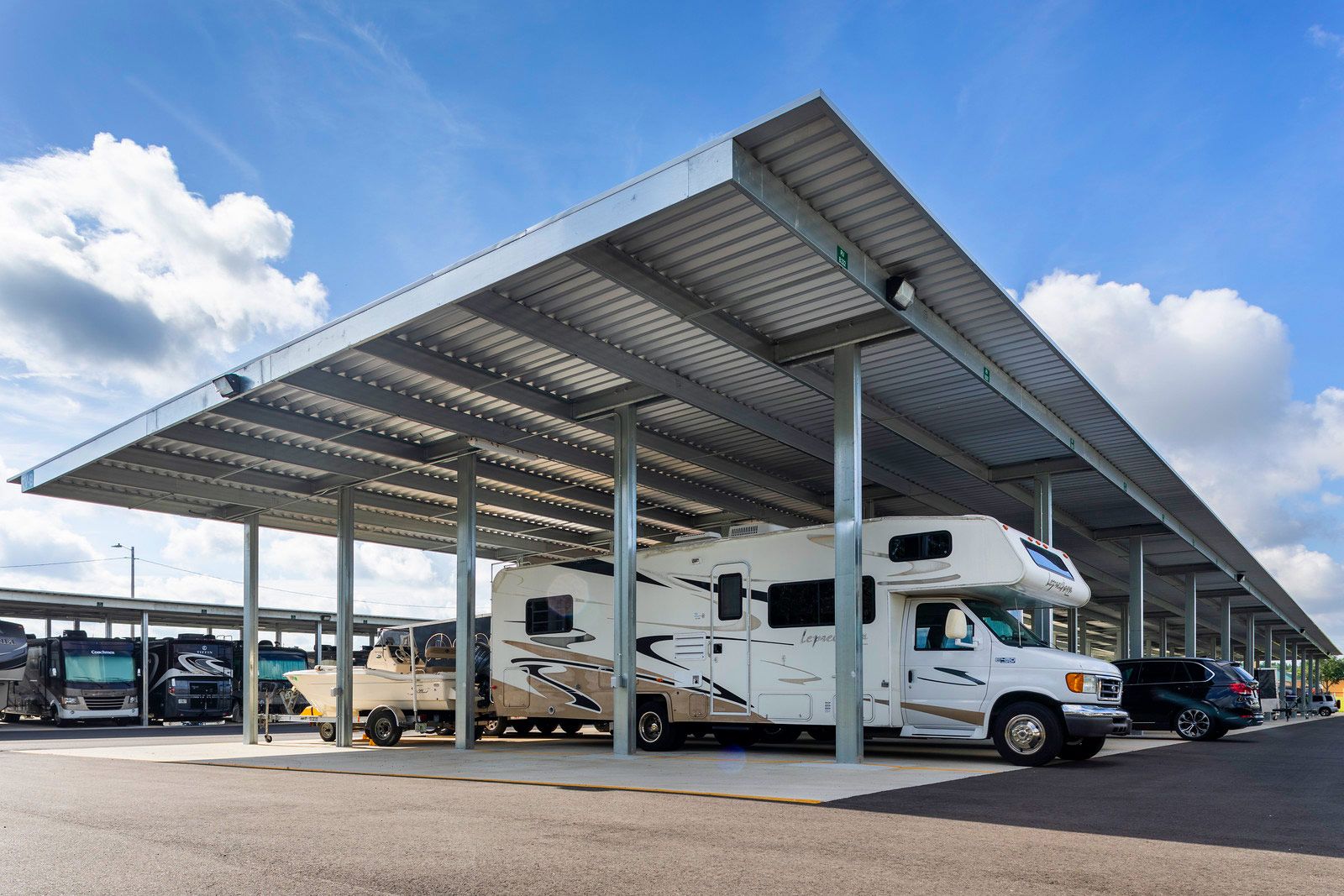
Many RV facilities accommodate commercial vans and small box trucks:
- Already have space for larger vehicles
- Gated access with individual codes
- Often flexible on terms
Pros: Often available immediately, flexible terms Cons: May not understand commercial operations, might prioritize recreational customers
Industrial Property Rental
Some fleet operators rent industrial yard space directly:
- Control over the space
- Can add infrastructure (fencing, lighting) if needed
- Long-term commitment but predictable costs
Pros: Maximum control, potentially lower cost at scale Cons: Requires capital, lease commitments, management responsibility
Shared Commercial Spaces
Some businesses share yard space or excess parking:
- Cost-effective for smaller fleets
- Existing infrastructure
- May include other businesses' presence as security
Pros: Cost-sharing, existing security Cons: Less control, sharing with others, availability uncertain
Location Strategy for Atlanta Fleets
Central vs. Distributed
Central storage: All vehicles in one location
- Easier management
- Simpler logistics
- Drivers commute to central point
Distributed storage: Vehicles near drivers' homes or job areas
- Reduced driver commute
- Vehicles closer to service areas
- More complex management
Most small-to-medium fleets use central storage. Large operations sometimes distribute.
Considering Atlanta Geography
Hartsfield-Jackson area: Good for airport-related services, cargo, and south Metro coverage
Inside I-285: Convenient but expensive and space-limited
I-20 East Corridor: More space, lower cost, good for east Metro and I-20 corridor operations
I-85 North Corridor: Good for north Metro and Gwinnett operations
I-75 South Corridor: Good for south Metro and south Georgia routes
Evaluating Fleet Storage Options
Operational Questions
- "What are your access hours? Any restrictions?"
- "Can we add and remove vehicles from our account easily?"
- "Do you offer volume discounts?"
- "What's the process if we need to change our space allocation?"
- "Can multiple drivers have separate access credentials?"
Security Questions
- "What security measures are in place?"
- "Have you had break-ins or theft? How frequent?"
- "Is there camera coverage of our parking area?"
- "What happens if there's a security incident?"
Practical Questions
- "Can you accommodate our specific vehicle sizes?"
- "Is the surface appropriate for daily commercial use?"
- "Are there any restrictions on commercial operations?"
- "What's your notice period if we need to leave?"
Pricing for Fleet Storage
Atlanta Metro fleet storage typically runs:
Cargo vans (standard):
- $75-125/month per vehicle
Extended cargo vans/Sprinters:
- $100-150/month per vehicle
Box trucks (16-20 ft):
- $125-200/month per vehicle
Box trucks (24-26 ft):
- $150-250/month per vehicle
Volume discounts: 10-20% off for 5+ vehicles is common
Annual prepay: Often 10-15% additional savings
Fleet-Specific Considerations
Driver Access Management
With multiple drivers accessing vehicles:
- Individual access codes (for accountability)
- Process for adding/removing authorized users
- Clear rules about access and responsibility
Insurance Coordination
Commercial fleet insurance should cover:
- Vehicles at storage location
- Theft and damage while stored
- Any tools or equipment in vehicles
Confirm with your insurance provider that off-site storage is covered.
Maintenance Coordination
Regular fleet maintenance doesn't stop because vehicles are in storage:
- Can mobile mechanics access the facility?
- Is there space for maintenance activities?
- Are there on-site services or nearby options?
Oxford RV Storage for Fleet Vehicles
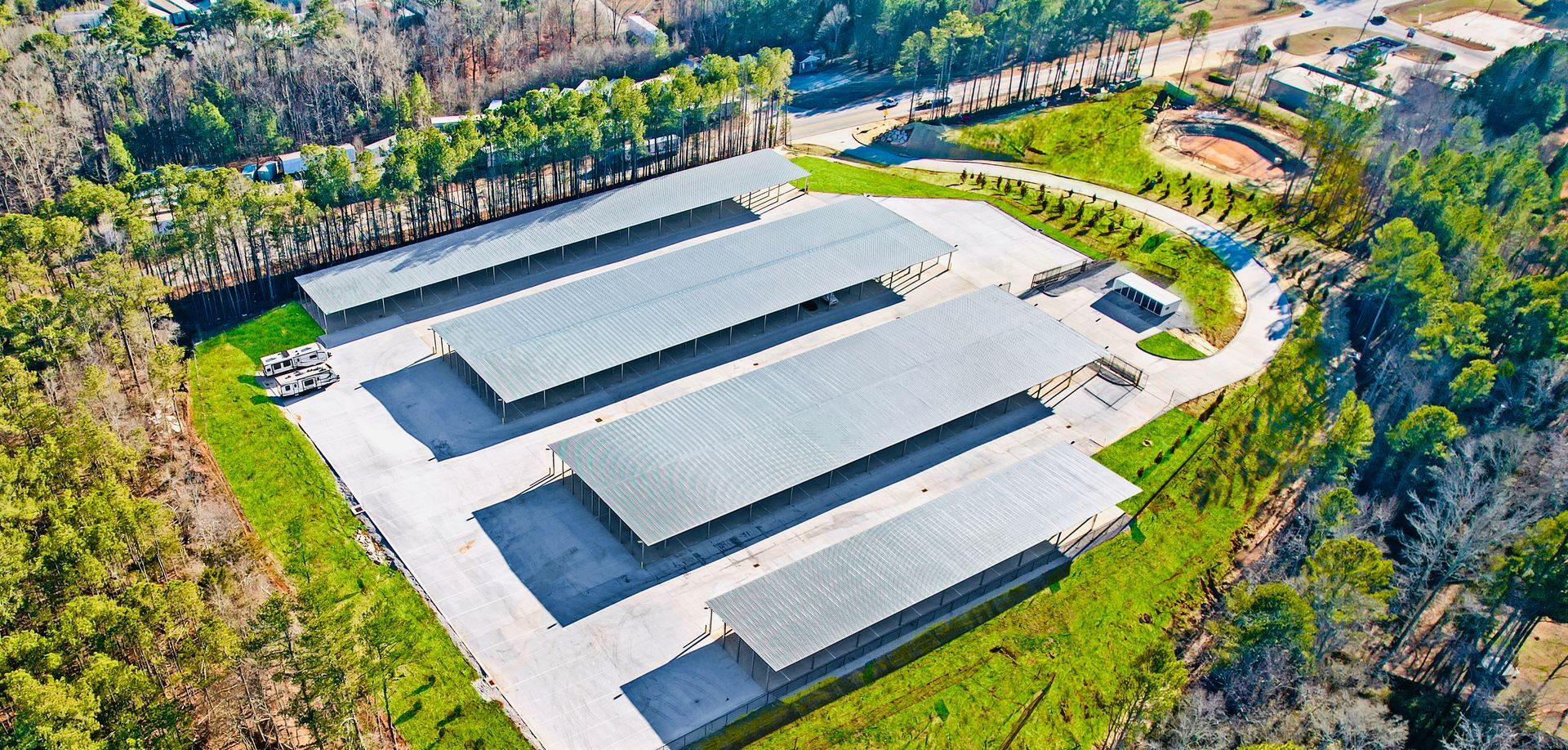
Oxford RV Storage can accommodate cargo vans, box trucks, and fleet vehicles alongside RVs and personal vehicles. The facility offers:
- Gated access with individual credentials
- Space for commercial vehicle sizes
- Location on I-20 for east Metro operations
For fleet operators serving the east side of the Metro, or those looking for cost-effective storage outside the I-285 core, it's a facility worth evaluating alongside other options.